Monday, November 23, 2026100 years ago today: Tuesday, November 23, 1926

The Good News of 100 Years Ago

Money · Gold · Oil · Patents
Gold, 1 oz (1926)$20.67Eggs, a dozen48.5¢Milk, a quart14¢Ford Model T Runabout$360Route 662,448 mi$1 in 1926 = today≈ $19Gold today, 1 oz$4,043

All stories

Every story from every edition, sorted by section. Prices are converted into today's dollars.

The Day's Economy

The Day's Economy

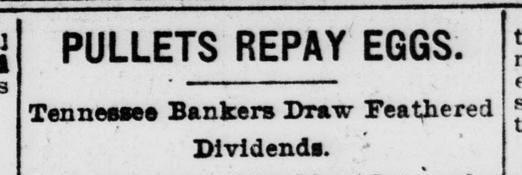
Lend an Egg, Get Back a Hen: Tennessee Bankers Draw "Feathered Dividends"

On November 15, 1926, the paper reported a new form of banking that the Department of Agriculture called a success. In Tennessee, banks lent young people eggs in the spring and were repaid in the fall with young hens raised from those eggs. The count: 1,910 pullets.

The bank that lent eggs and was repaid in hens
The Day's Economy

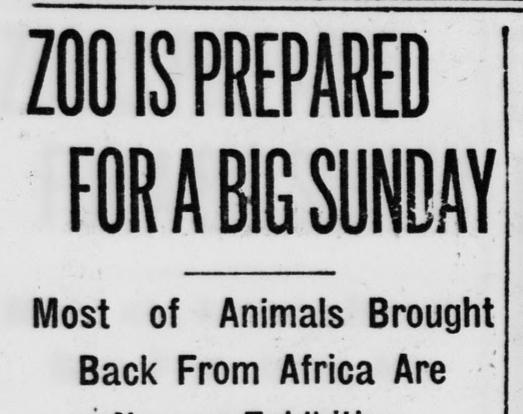
The Zoo's Busiest Sunday Ever, and Four Leopards "Getting Acquainted"

On Sunday, November 14, 1926, the National Zoo in Washington got ready for what might be the biggest crowd in its history. Nearly all the animals brought back from Africa were on show for the first time. The Sunday before, more than 80,000 people had come.

Four leopards getting acquainted through a screen
The Day's Economy

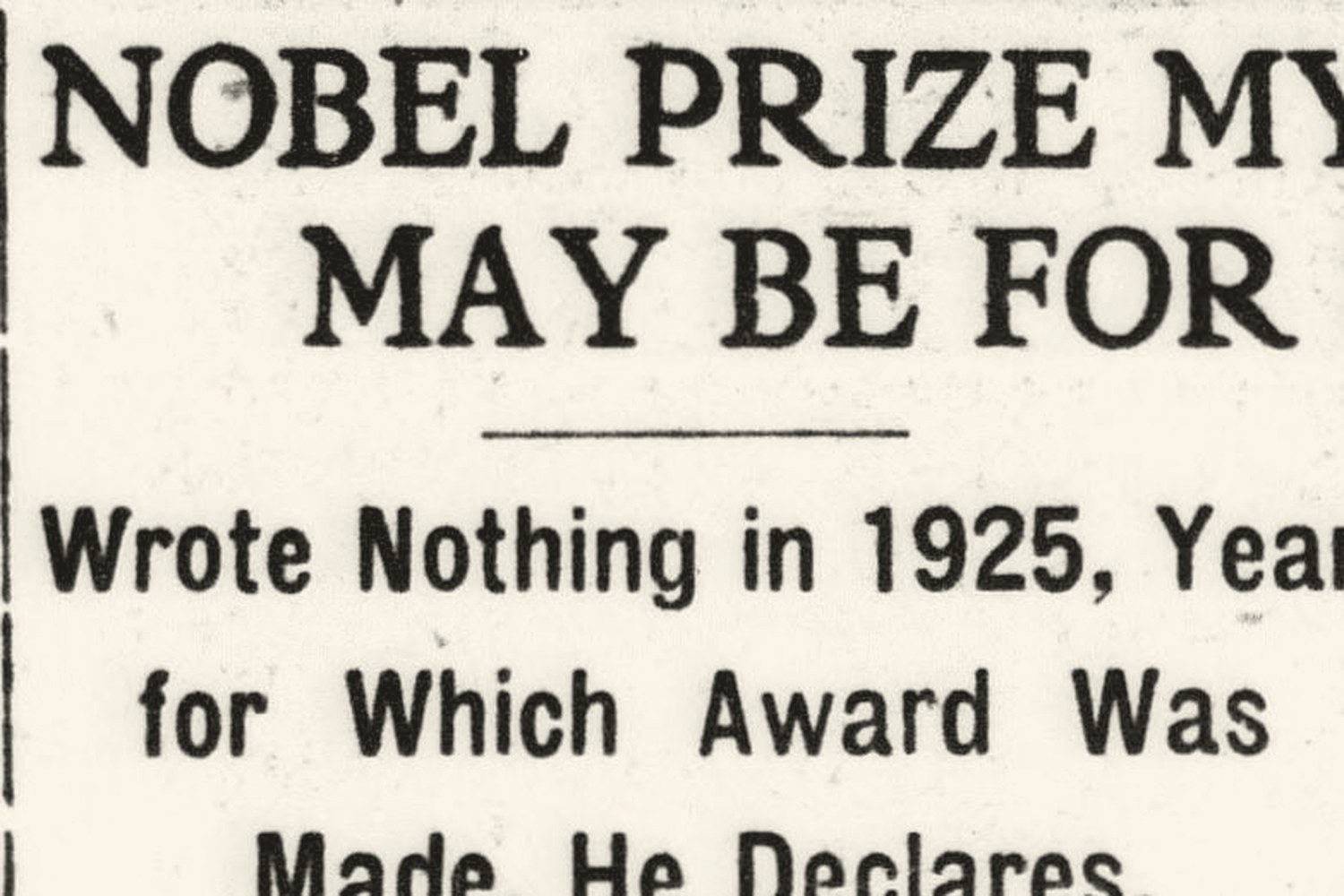
Shaw Wins the Nobel: "It Must Be Because I Wrote Nothing That Year"

On November 12, 1926, the paper reported that George Bernard Shaw would receive the 1925 Nobel Prize for literature. Shaw laughed that it must be because he wrote nothing that year. A few days later he decided to spend the money on others.

"It must be because I wrote nothing"
The Day's Economy

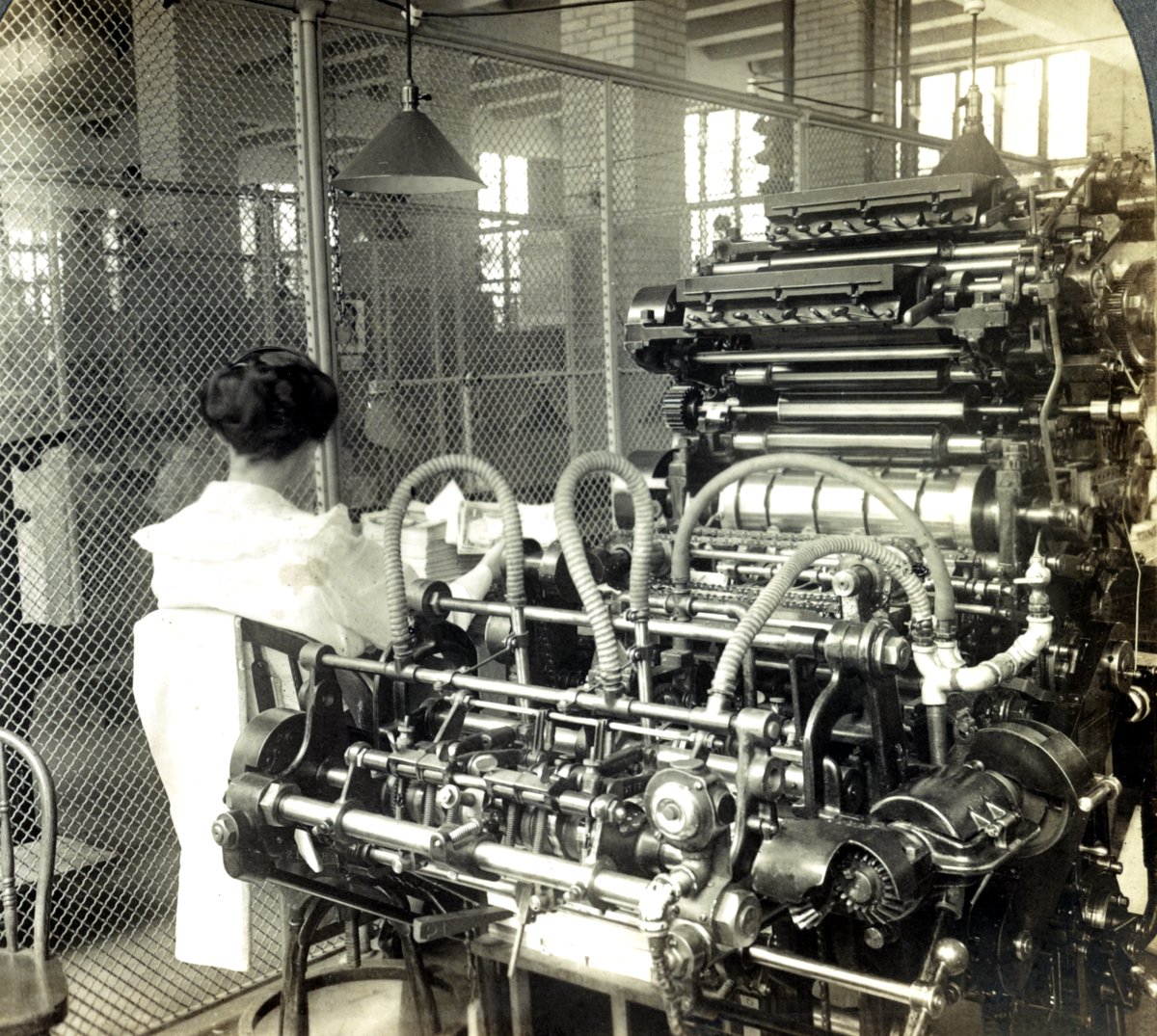
The Women Who Printed the Nation's Money Asked What Their Work Was Worth

On November 10, 1926, the paper reported that workers at the Bureau of Engraving and Printing had adopted a resolution the night before. They asked for a proper rating of the jobs held by women — and that no job in their class pay less than 60 cents an hour.

The women who print money ask for 60 cents an hour
The Day's Economy

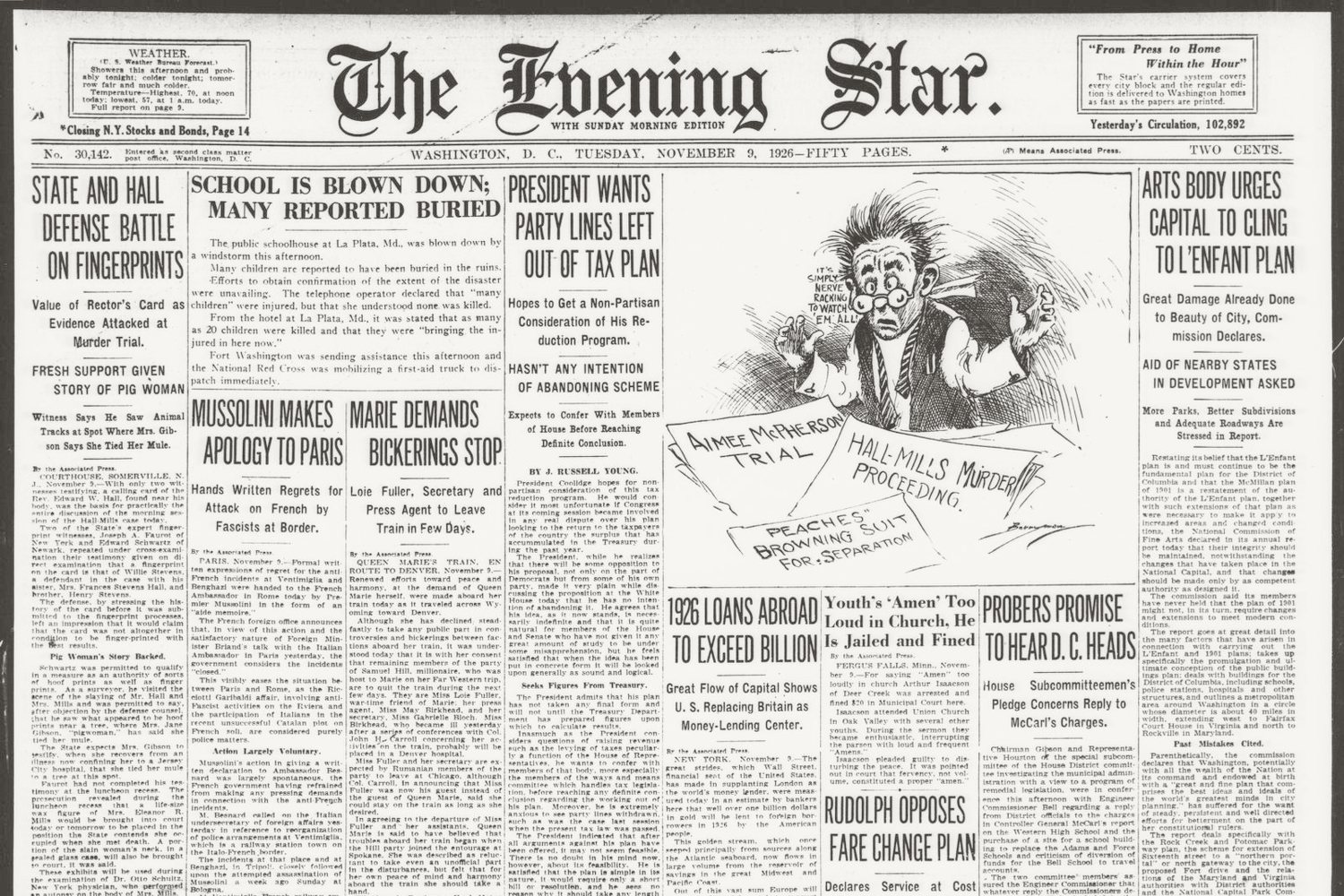
Ford: "The Five-Day Week Is Business, Not Charity"

On November 9, 1926, the front page carried an interview with Henry Ford. Giving workers their Saturdays back, he said, was not a good deed but a calculated business decision.

"A cold business proposition, not philanthropy"
The Day's Economy

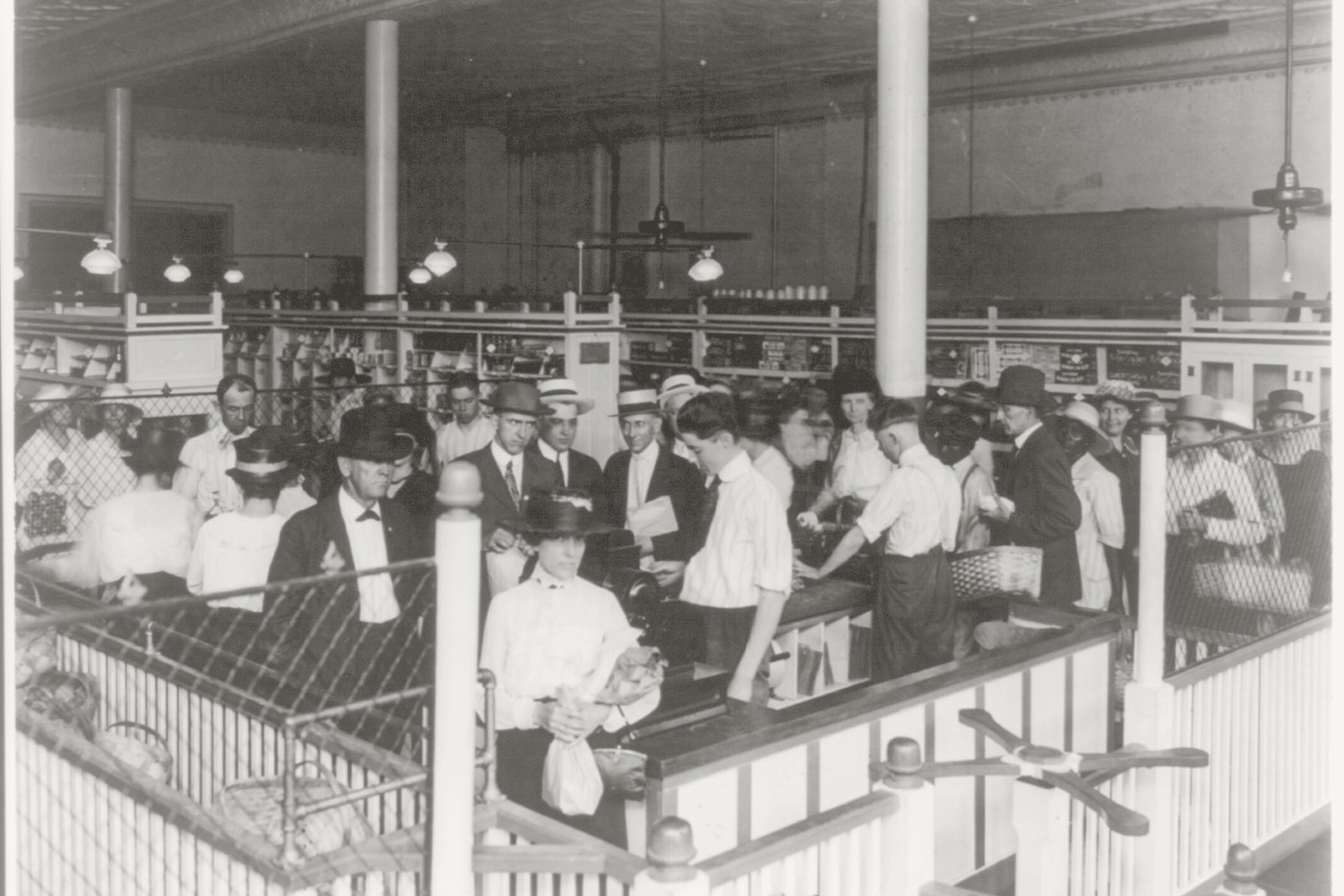
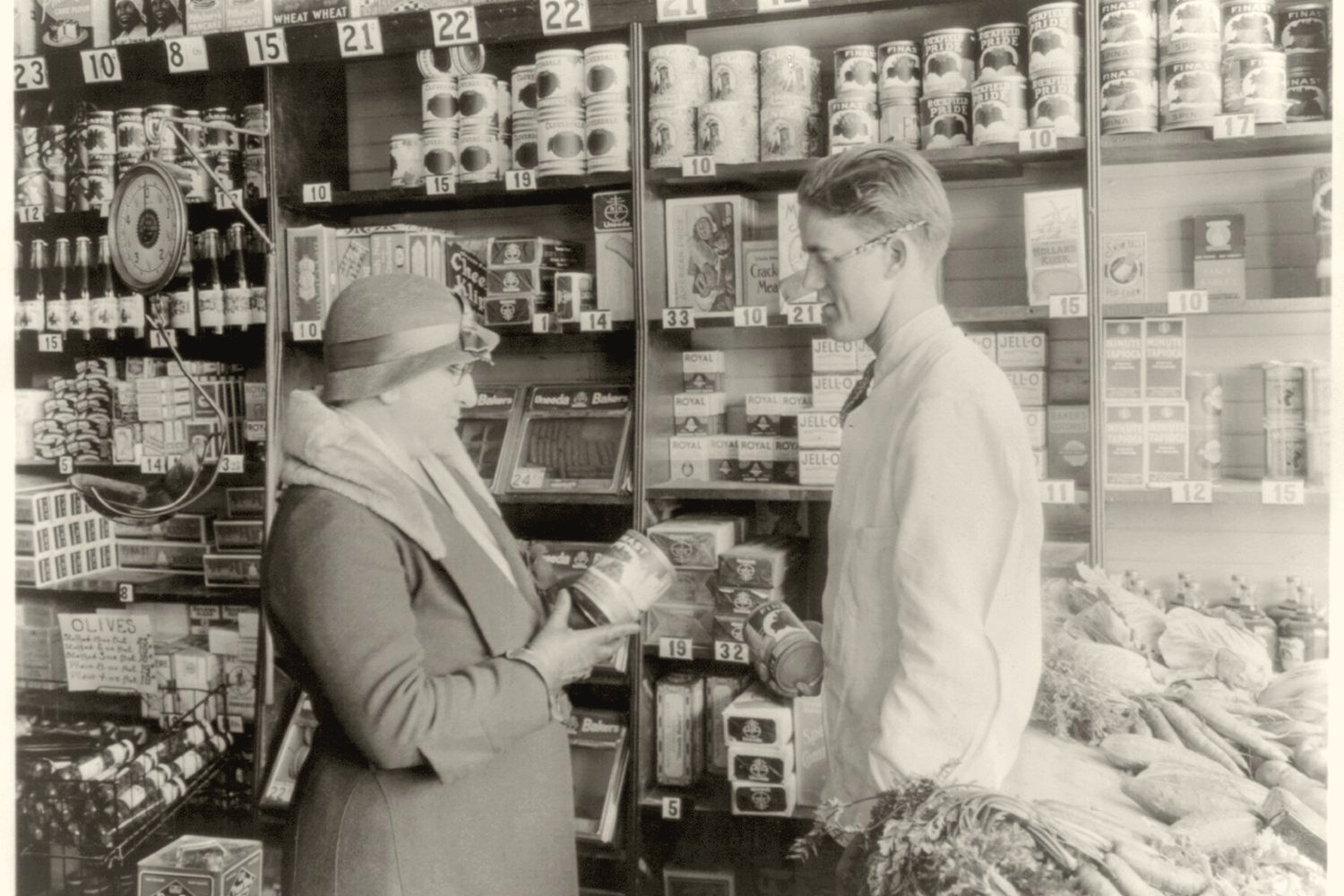
The Store That Handed Shoppers the Basket: Piggly Wiggly

Until 1916, a clerk fetched everything you bought at the grocery. A Memphis store broke the rule: it handed customers a basket and let them choose. By 1926, Americans loved it.

Clerk fetches it → you pick it
The Day's Economy

The Customers Decided: How Kleenex Found Its Real Job

When Kleenex arrived in 1924, it was sold for wiping off cold cream. But customers were blowing their noses with it. The company listened, changed its ads, and tissue became one of the most ordinary things in every home.

Makeup remover → nose tissue
The Day's Economy

Poetry at 35 Miles an Hour: The Burma-Shave Signs

In 1926, little signs began appearing along a Minnesota highway. Drive past and a poem unfolded, one sign at a time. The last one always named a shaving cream.

A poem in six roadside signs
The Day's Economy

The Hottest Gadget of 1926 Was a Box That Talked

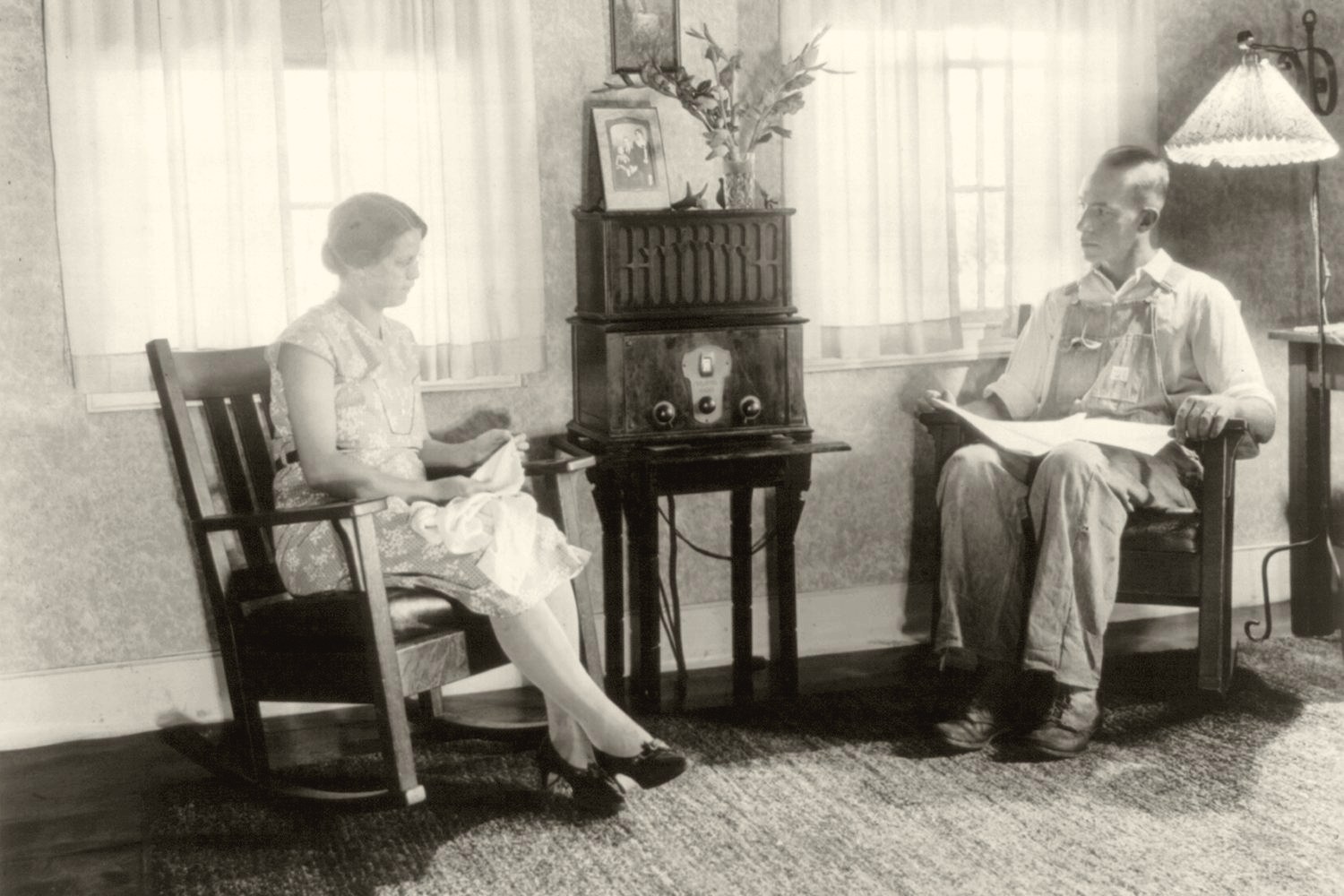
In the fall of 1926, Americans were buying radios as fast as factories could build them. A brand-new network was about to go on the air, and a whole new business was being born.

$35 radio → ≈ $670 today

Gold & Markets

Gold & Markets

A Russian Imperial Wedding Crown With 1,520 Diamonds Comes to America for Sale

A sparkling photo ran on page 17 on November 16, 1926: the nuptial crown of the Russian imperial family. A London and Paris diamond merchant was said to have bought it from the Soviet government and to be bringing it, with other Russian jewels, to sell in the United States. The paper put its value at $52,000,000.

1,520 diamonds: an imperial wedding crown heads for America
Gold & Markets

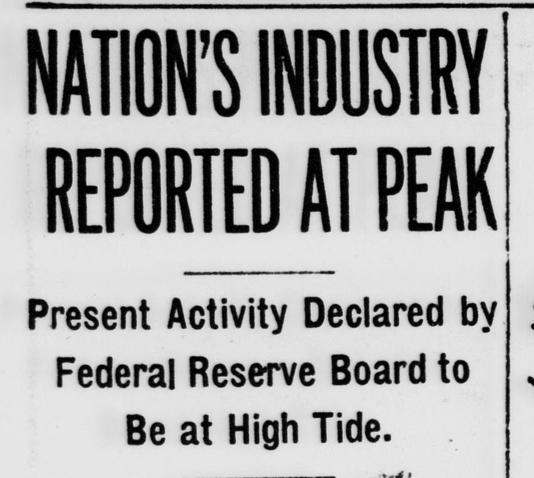
America's Industry at High Tide, and Belgium's Money Tied to Gold Again

On November 15, 1926, the paper carried a Federal Reserve Board report: American industry was "at a high tide of activity." Every month of 1926 had been busier than the same month of 1925 or 1924. The same report noted that Belgium had just put its currency back on gold.

American industry at high tide, and Belgium returns to gold
Gold & Markets

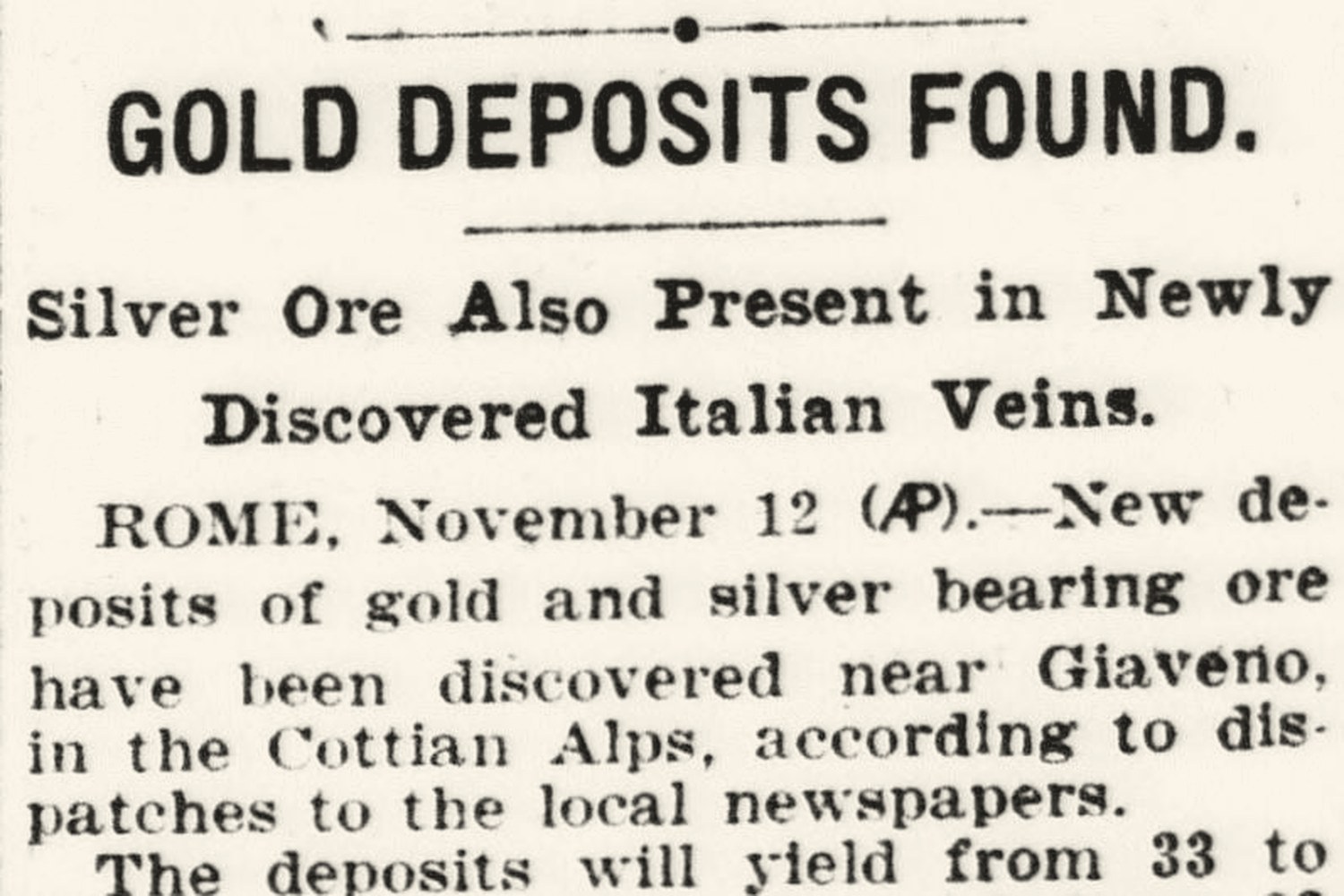
Gold in the Alps: What 35 Grams per Ton Was Worth

On November 12, 1926, the paper reported new veins of gold and silver ore in the Italian Alps — 33 to 38 grams of gold per ton of rock. At 1926 prices that was about $24 of gold a ton; at today's, about $4,600.

33–38 grams of gold per ton of ore
Gold & Markets

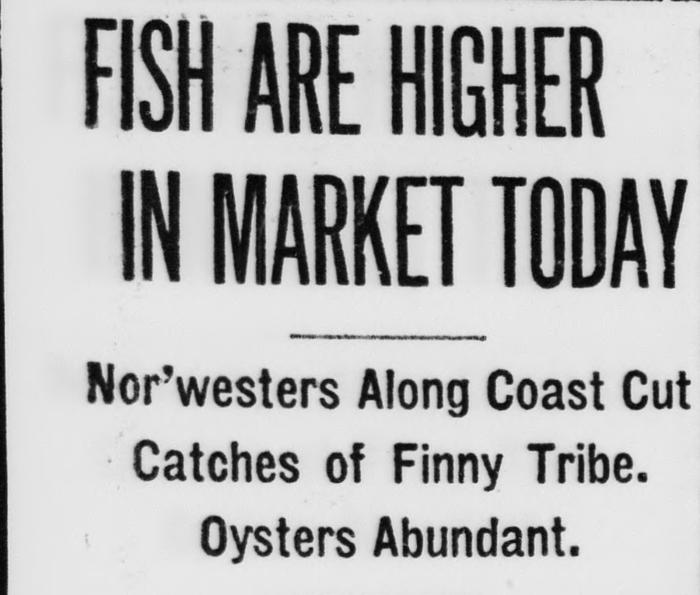
The Wind Set the Price: Washington's Fish Market, 1926

Heavy nor'westers had been blowing along the Atlantic coast for days. With fewer boats bringing fish in, prices at Washington's Municipal Fish Market doubled or tripled in a week. But one favorite fish went the other way.

A nor'wester doubled fish prices
Gold & Markets

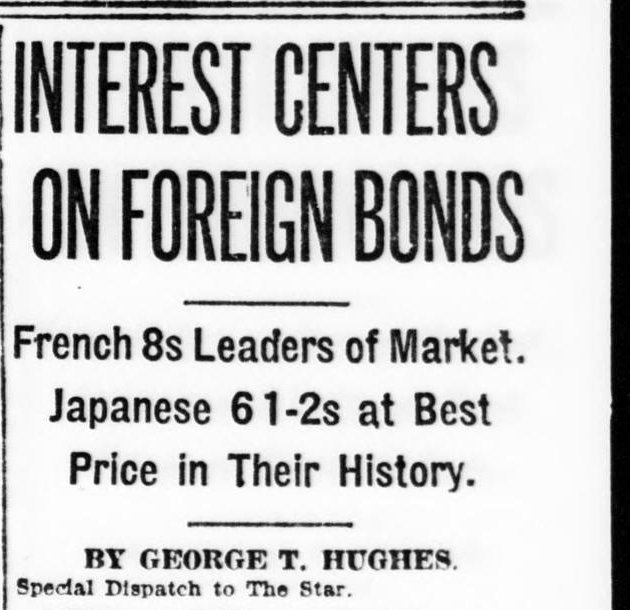
Bond Prices as a Thermometer of Trust: New York, Nov. 10, 1926

The day before, the paper said Americans would lend more than a billion dollars abroad that year. The next day in New York, French bonds hit their high for the year and Japanese bonds sold at the best price in their history.

Japanese bonds at their best price ever
Gold & Markets

The 1926 Dollar Bill That Didn't Fit Your Wallet

In 1926, the bills in American wallets were much bigger than today: 7.375 inches long. Three years later the country shrank its money, and that size has lasted ever since.

1926 bills were about 20% bigger
Gold & Markets

When the Neighborhood Post Office Was a Bank

In 1926, people who didn’t trust banks — or lived far from one — saved at the post office. The government stood behind it, it paid 2 percent a year, and you could start with 10-cent stamps.

Savings at the post office: 2% a year
Gold & Markets

A Dollar Coin That Said "PEACE"

After the war, America stamped one word on a coin: PEACE. In 1926 people carried these heavy silver dollars in their pockets. Today the silver inside is worth about 39 times its face value.

A silver dollar → ≈ $38.87 of silver now
Gold & Markets

A Child's Treasure: One Cent

In 1926 the penny was a child's pocket money — a coin worth agonizing over at the candy-store window. Ninety-nine years later, America stopped making it.

The penny: production ends after 230+ years
Gold & Markets

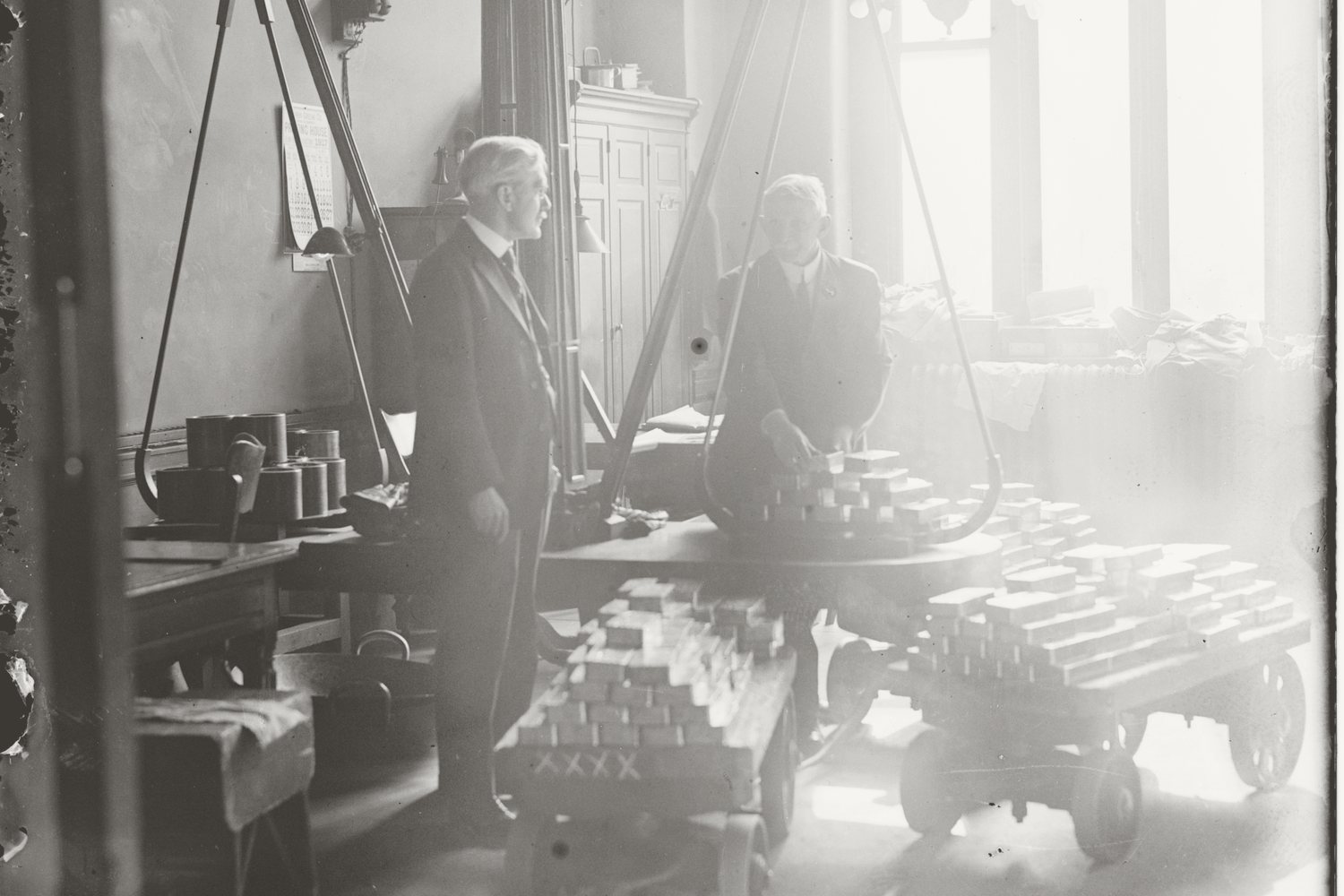
In 1926, Gold Cost $20.67 an Ounce — by Law

A hundred years ago the price of gold was not set by a market. It was written into U.S. law. Here is what that meant, and what an ounce costs now.

$20.67 then → $4,043 now

Oil & Industry

Oil & Industry

Grind the Coal to Powder, and 10 Tons Do the Work of 12

When the price of bituminous coal rose in the fall of 1926, American industry went looking for ways to burn less of it. The idea drawing the most attention: grind coal as fine as flour and blow it into the fire.

10 tons of coal doing the work of 12
Oil & Industry

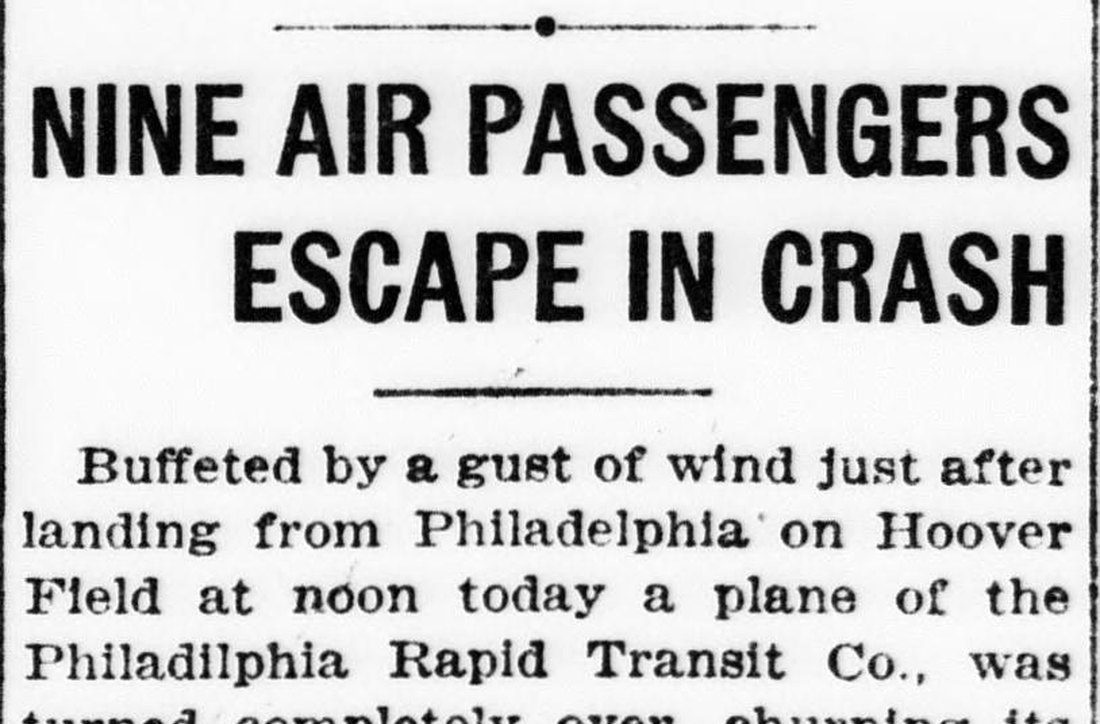
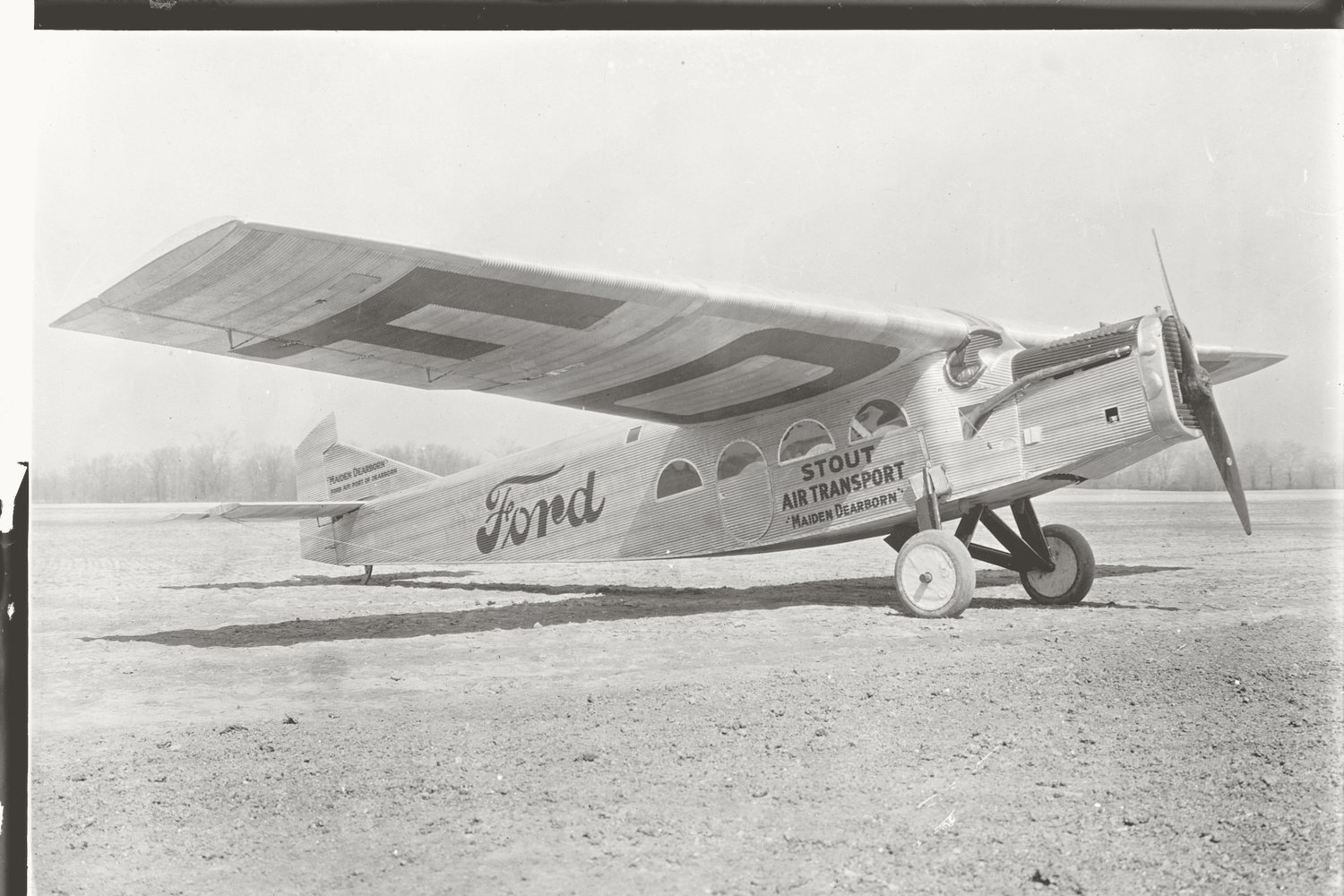
A Gust Flipped Their Plane. The Nine Passengers Took the Bus.

At noon on November 10, 1926, a passenger plane from Philadelphia landed in Washington and was turned over by a gust of wind. Its nine passengers got away with bruises, pulled themselves together and rode into town on the airline bus, as usual.

Plane flips, all 9 passengers safe
Oil & Industry

Packages by Air: The Air Express Contract

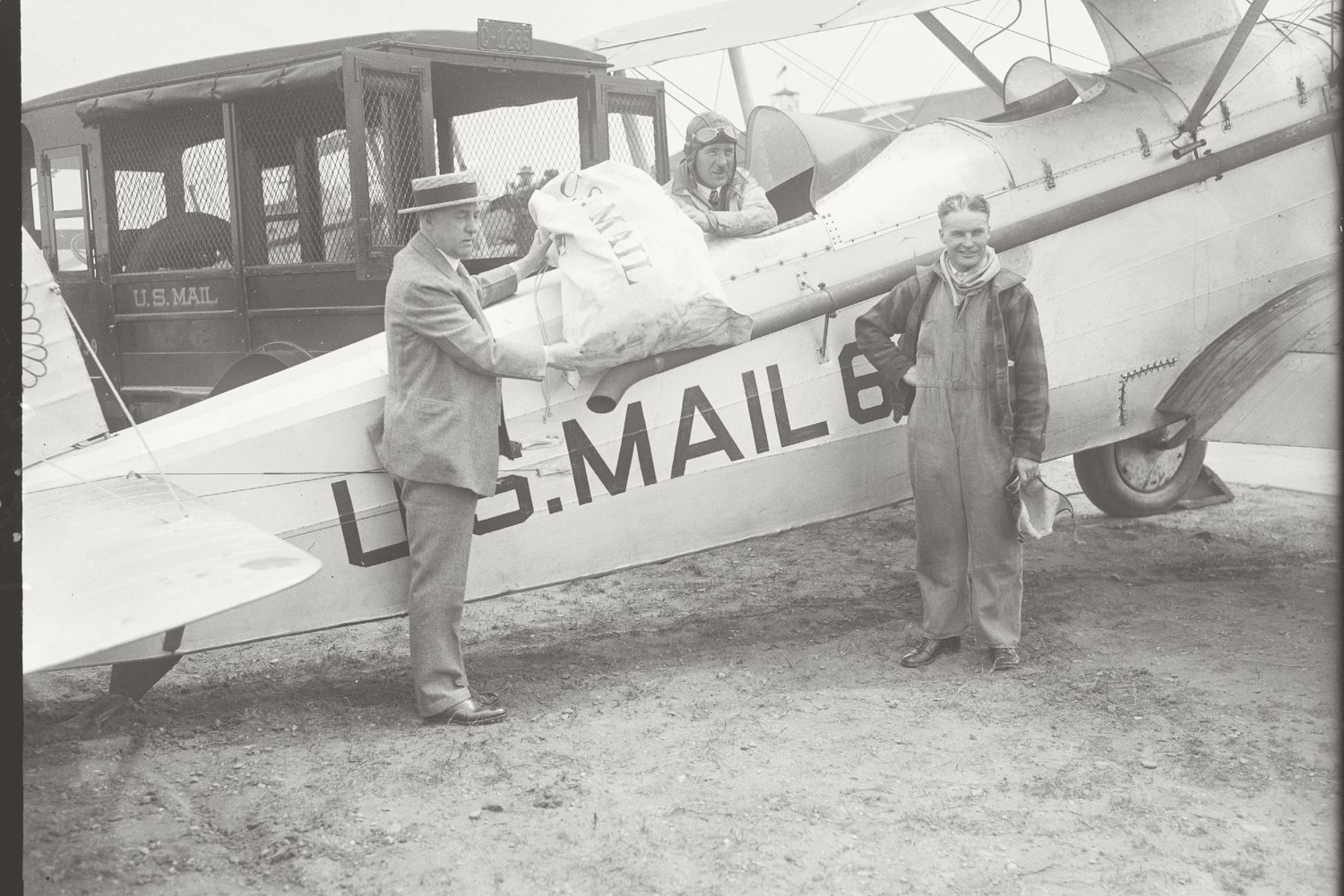
On November 9, 1926, the paper reported a contract to carry packages by airplane. It compared the plan to the pony express of the pioneer days.

"A pony express in the sky": New York–Dallas
Oil & Industry

A Sign That Glowed in Daylight: Neon Comes to America

In 1923, a Los Angeles car dealer hung two strange signs from France. A red light burned inside glass tubes, and people stopped in the street to stare. By 1926, America’s nights were turning red.

One sign: $1,250 · "liquid fire"
Oil & Industry

Goodbye, Iceman: The Year the Electric Refrigerator Came

In 1926 most American kitchens had an icebox, and the iceman came every few days. But that year the number of homes with an electric refrigerator reached 248,000. The kitchen was starting to change.

Homes with a fridge: 4,000 (1920) → 248,000 (1926)
Oil & Industry

A Hotel Where You Park at the Door: The Motel Is Born

As road trips caught on, an architect had an idea: a place where drivers could park right next to their room. It opened in California at the end of 1925, and it gave the world a new word: motel.

$1.25 a night · the first motel
Oil & Industry

The Mailbag That Started an Airline

In 1926, the Post Office stopped flying all its own airmail and hired private companies instead. One small outfit in the Northwest flew its first sack of letters that spring — and grew into United Airlines.

One mail route, 1926 → United Airlines
Oil & Industry

The Greater Seminole: The Oklahoma Oil Rush of 1926

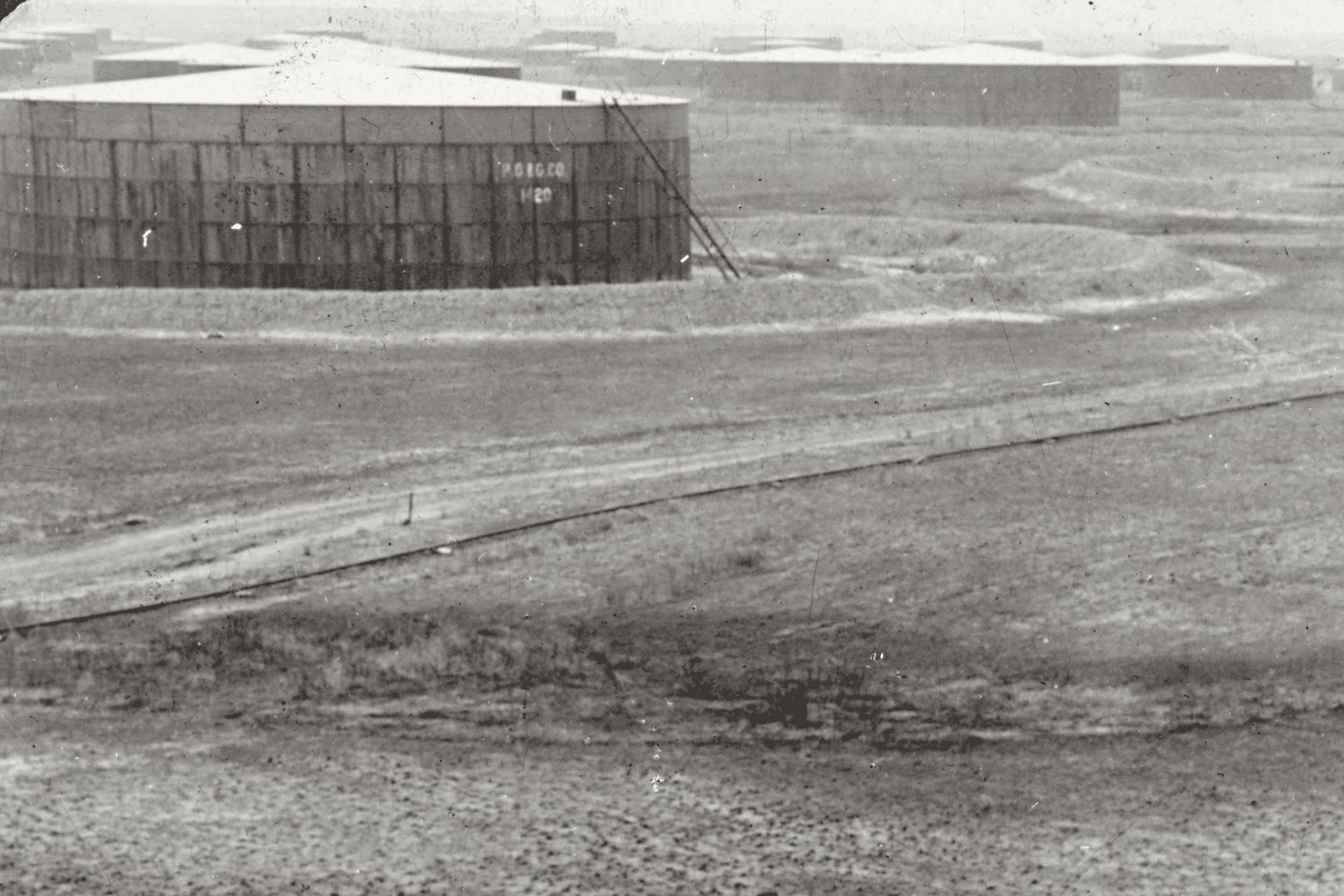
In 1926 a stretch of Oklahoma farmland became one of the biggest oil fields in the world. Towns boomed overnight — and so much oil poured out that the price nearly collapsed.

One day in 1927: 527,400 barrels
Oil & Industry

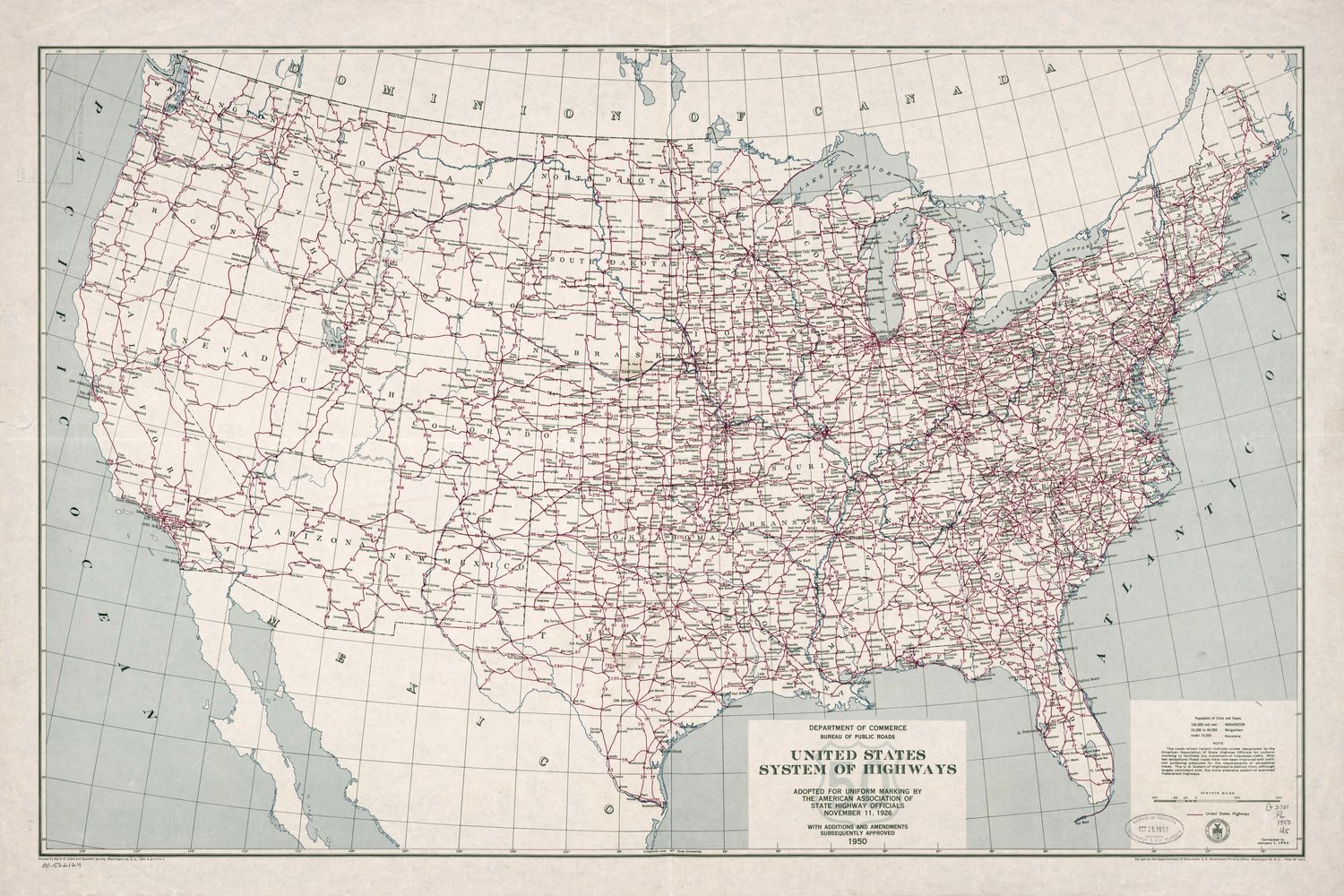
Route 66 Is Born: The Month America Numbered Its Roads

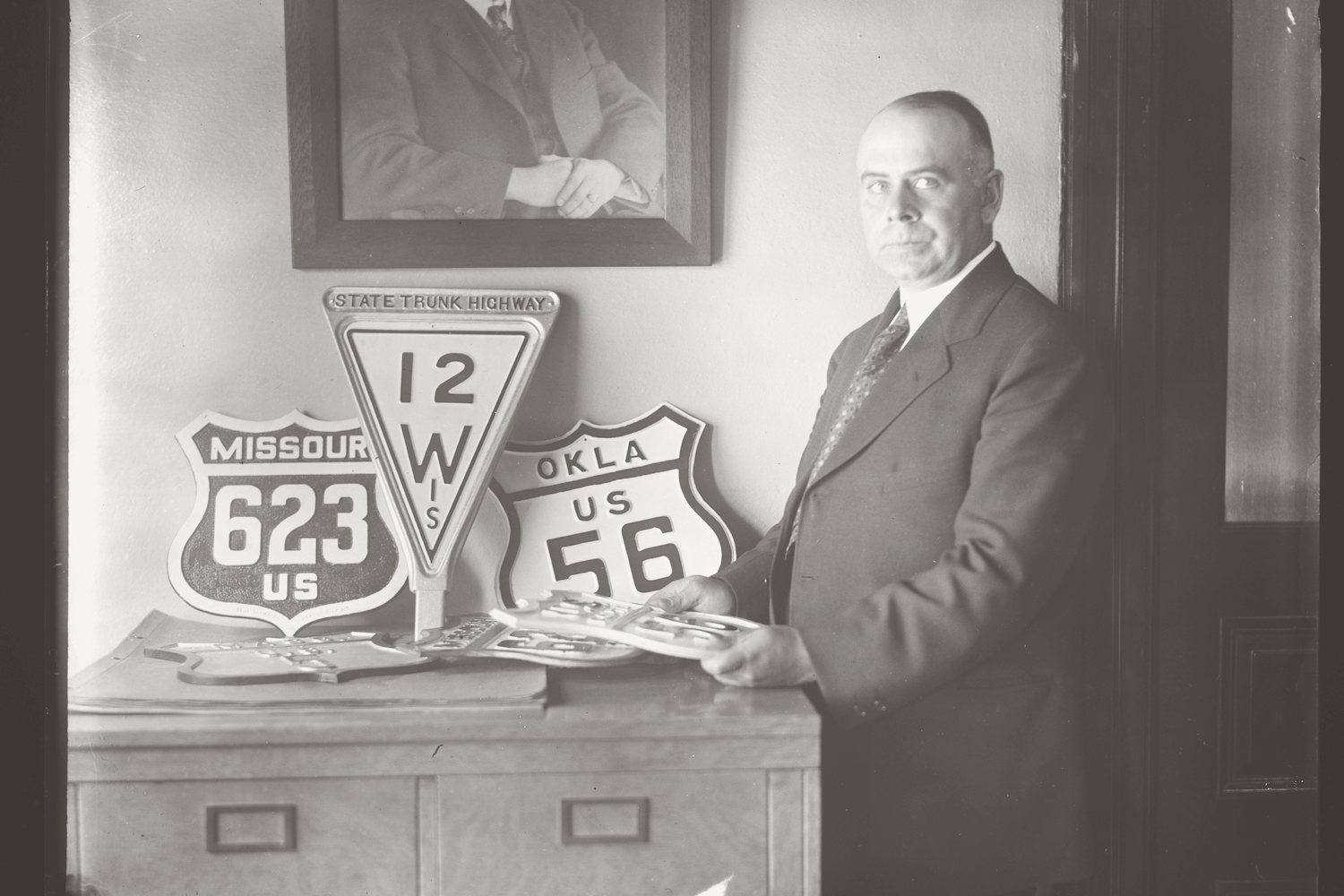
In November 1926 the nation's highways got numbers, and a 2,448-mile road from Chicago to Los Angeles got the most famous one of all. Gas stations, diners and motels followed.

Chicago → Los Angeles · 2,448 miles

Patents & Inventions

Patents & Inventions

Three New Roses From a Single Seed Pod: A Small Miracle in a Washington Greenhouse

On November 16, 1926, good news came from the U.S. Department of Agriculture greenhouses in Washington. A single cross between two garden roses, Madame Butterfly and Priscilla, had produced not one but three brand-new roses. Getting even one worthwhile new rose from a cross was rare.

One seed pod, three brand-new roses
Patents & Inventions

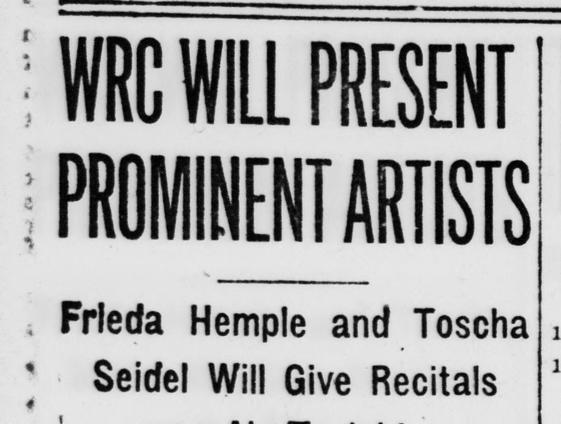
Sunday Night, 9:15: A New York Soprano in Your Living Room

On Sunday night, November 14, 1926, Washington station WRC joined New York stations to broadcast soprano Frieda Hempel and the young violinist Toscha Seidel. It was a concert with no ticket and no need to dress up.

A New York soprano in the living room
Patents & Inventions

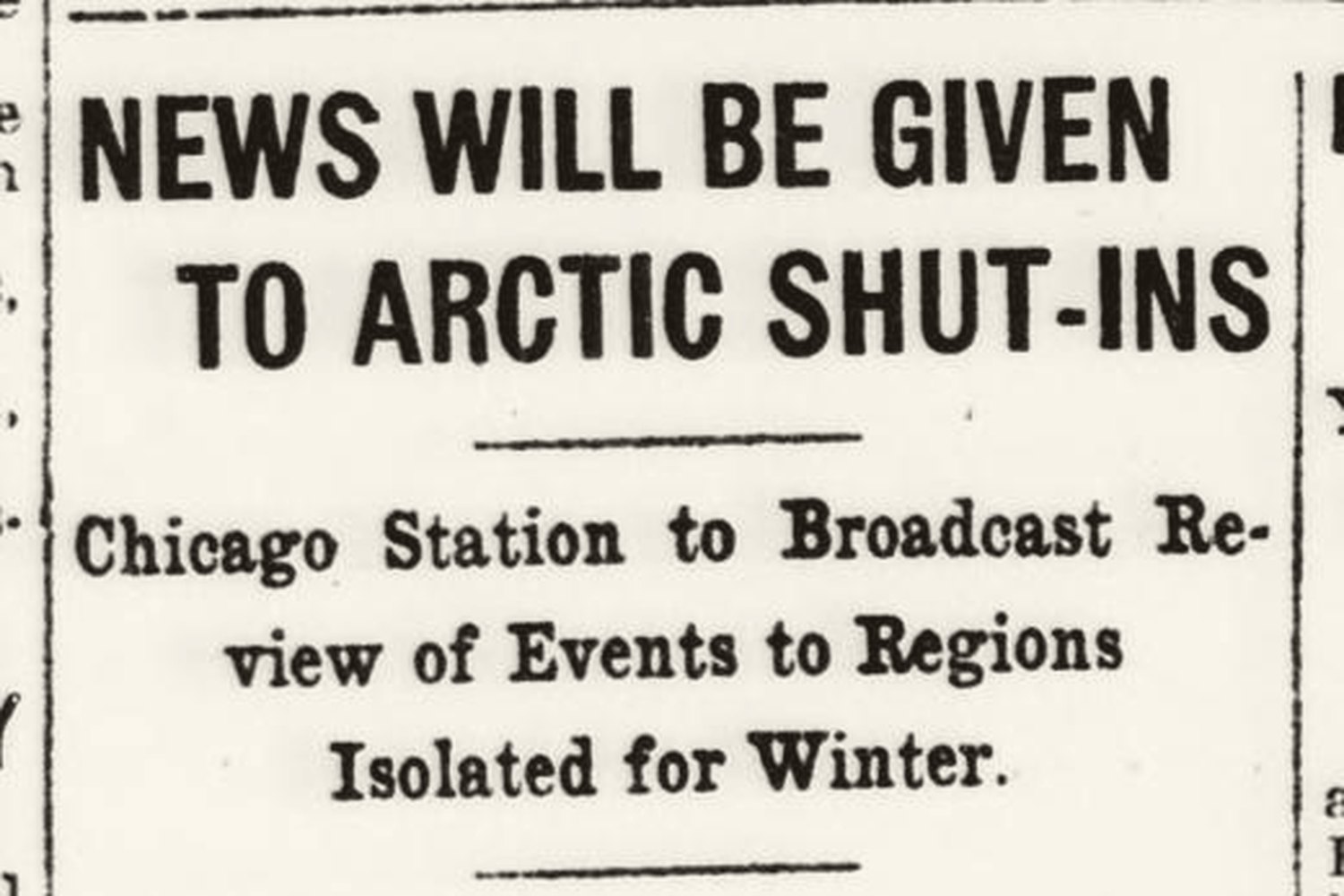
Two Months of News for the Arctic, Delivered by Radio

At 10 p.m. on November 13, 1926, a Chicago radio station broadcast a special program for the Arctic. No mail or news had reached those settlements since the spring thaw, so radio brought them two months of headlines at once.

No mail since spring, so radio delivered the news
Patents & Inventions

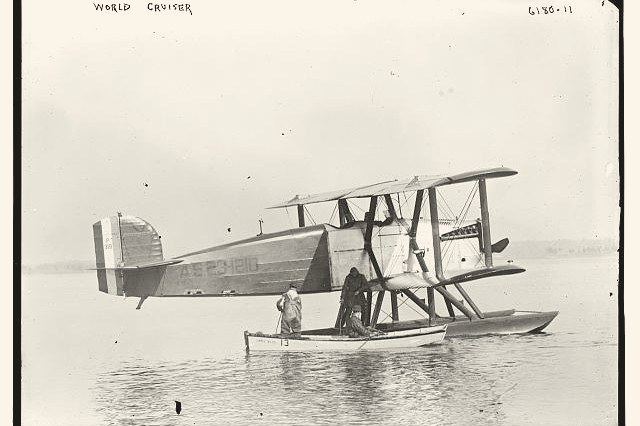
A Device Against the Pilot's Worst Fear: the Tail Spin

On November 12, 1926, the paper reported that Donald Douglas, who designed the round-the-world planes, had invented a device to prevent tail spins. Twenty-two test flights, his plant said, proved it worked.

22 test flights, all successful
Patents & Inventions

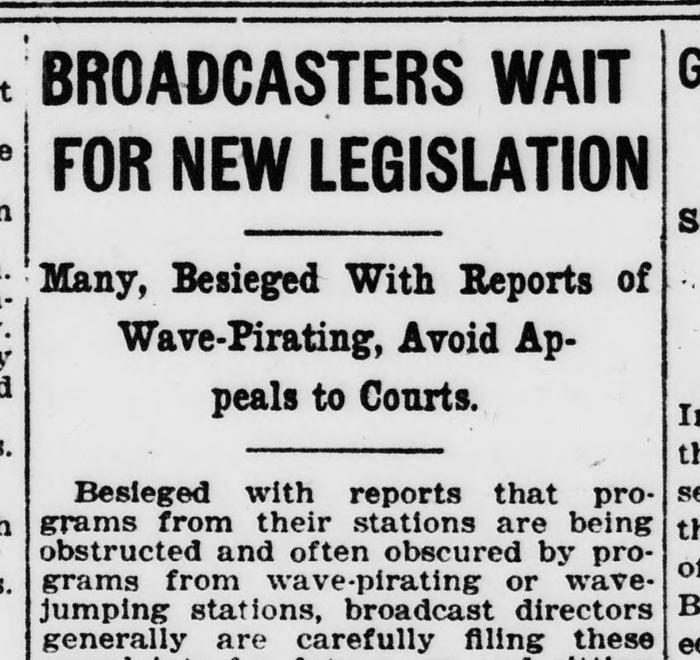
The Lawless Air: In 1926, Radio Came With a Whistle

In the fall of 1926, American broadcasters were plagued by "wave pirates," stations that jumped onto other stations' frequencies. Listeners heard a whistle on practically every frequency. The broadcasters waited on Congress rather than the courts.

A whistle on almost every station
Patents & Inventions

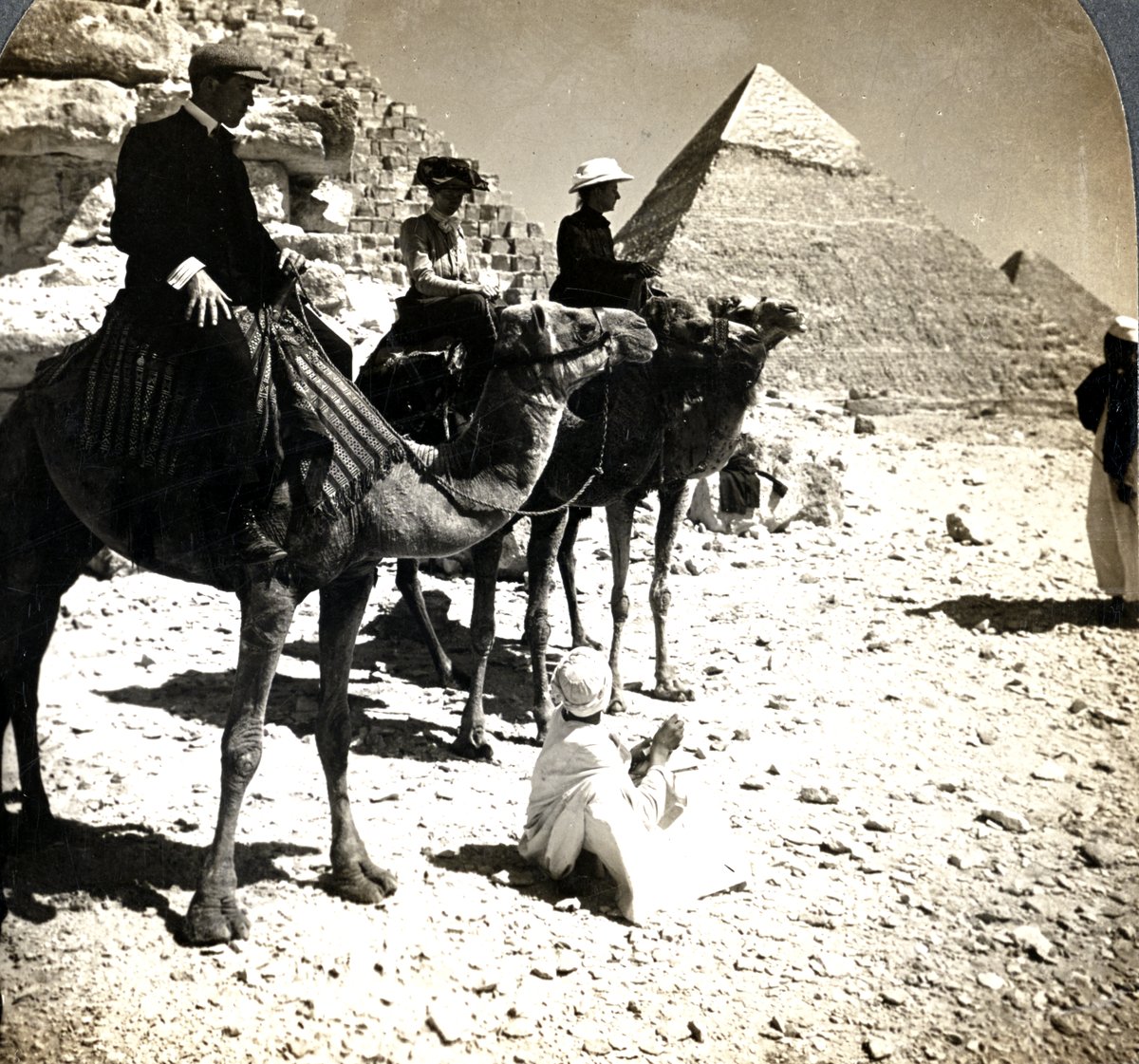
Gold Letters on a Carrying Chair Gave Back a Queen's Name

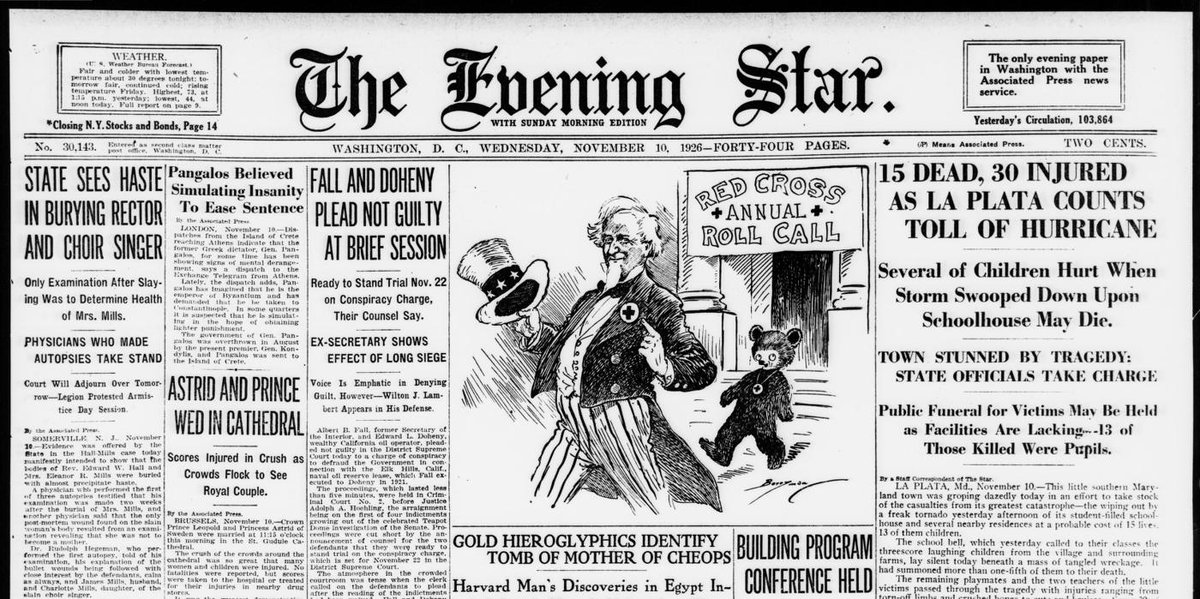
On November 10, 1926, the front page reported that Harvard's George Reisner had identified the tomb of Queen Hetepheres, mother of King Khufu (Cheops). The clue was two inscriptions in gold hieroglyphics on the back of a carrying chair.

Gold letters name the mother of Khufu
Patents & Inventions

Two Comets Found on the Same Night

On November 9, 1926, the paper reported two new comets, invisible to the naked eye. Astronomers in Barcelona and in Crimea had spotted them on the same date.

Two new comets, telescope only
Patents & Inventions

An Invention Learned From Ice Fishing: Frozen Food

In the bitter cold of Labrador, an American watched Inuit fishermen. Fish pulled into air at 40 below froze instantly — and tasted fresh months later. In 1926 he was working to recreate that secret in a factory.

Ice fishing at −40° → frozen food
Patents & Inventions

The Drink Left on the Porch: How the Popsicle Was Born

One cold night in 1905, an 11-year-old boy left his drink outside. In the morning it was frozen solid around the stirring stick. He licked it — and twenty years later he patented his mistake.

An 11-year-old's mistake → 2 billion a year
Patents & Inventions

An Invention Born at His Wife's Fingertips: The Band-Aid

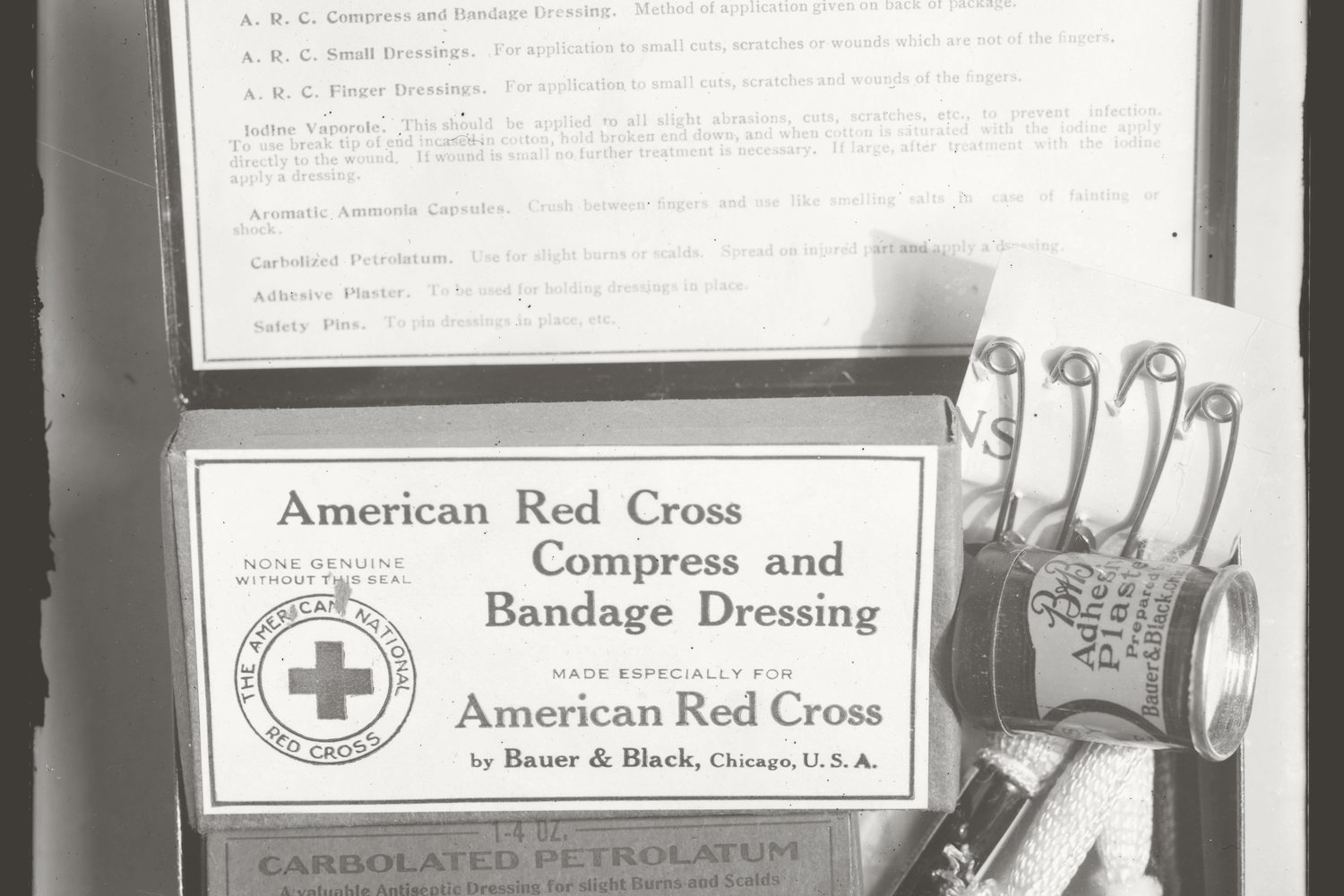
She kept cutting her fingers in the kitchen. He wanted to make something she could put on by herself. That little strip of tape with gauze on it found its way into nearly every American home.

A bandage made for his wife
Patents & Inventions

A Toy Born in Dad's Hotel: Lincoln Logs

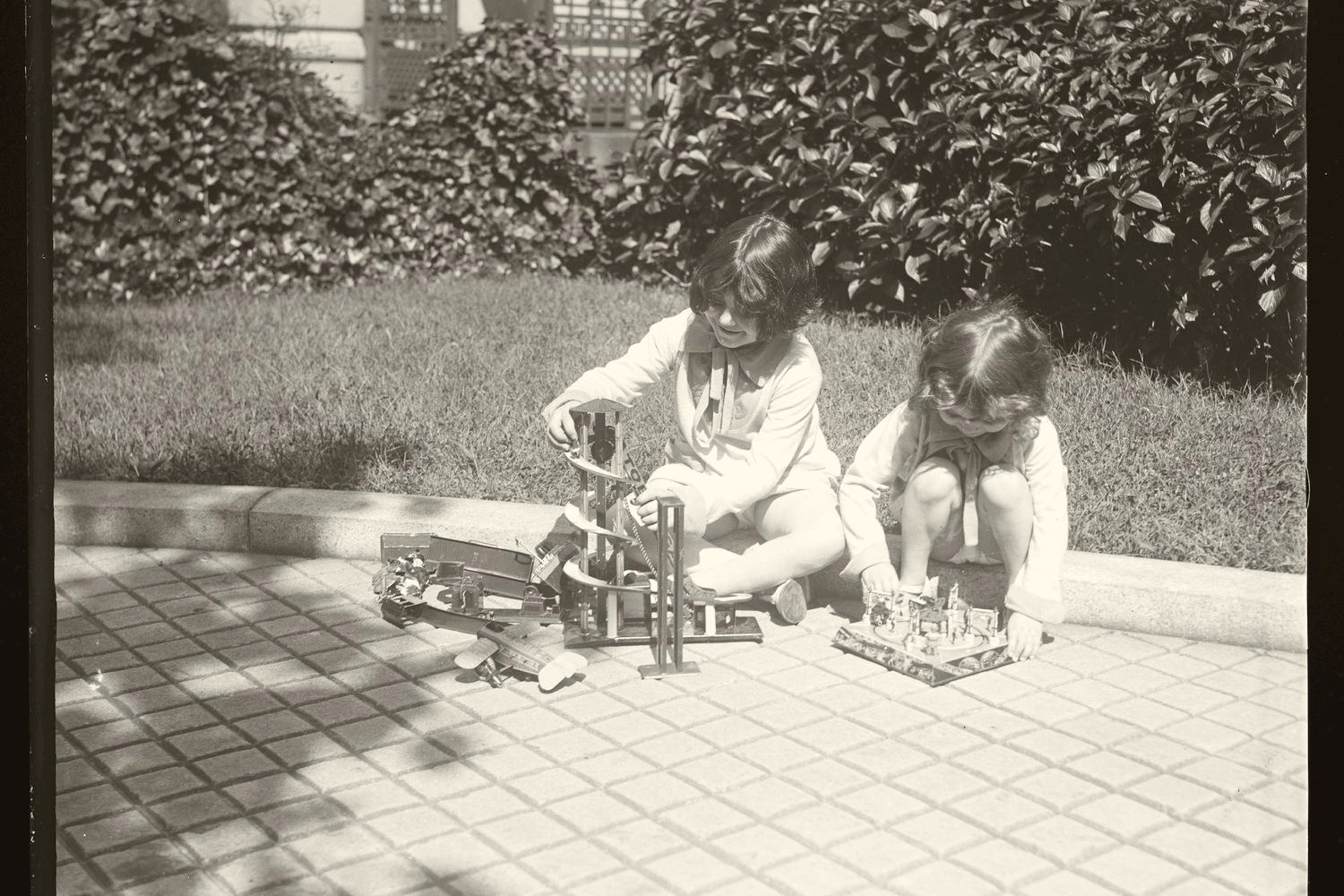
A son who followed his architect father to Tokyo got an idea on the building site: notched little logs that lock together into a cabin. It became one of the toys American children wanted most in the 1920s.

Patent 1,351,086 · built to survive earthquakes
Patents & Inventions

The Young Man Who Listened to Angry Car Painters

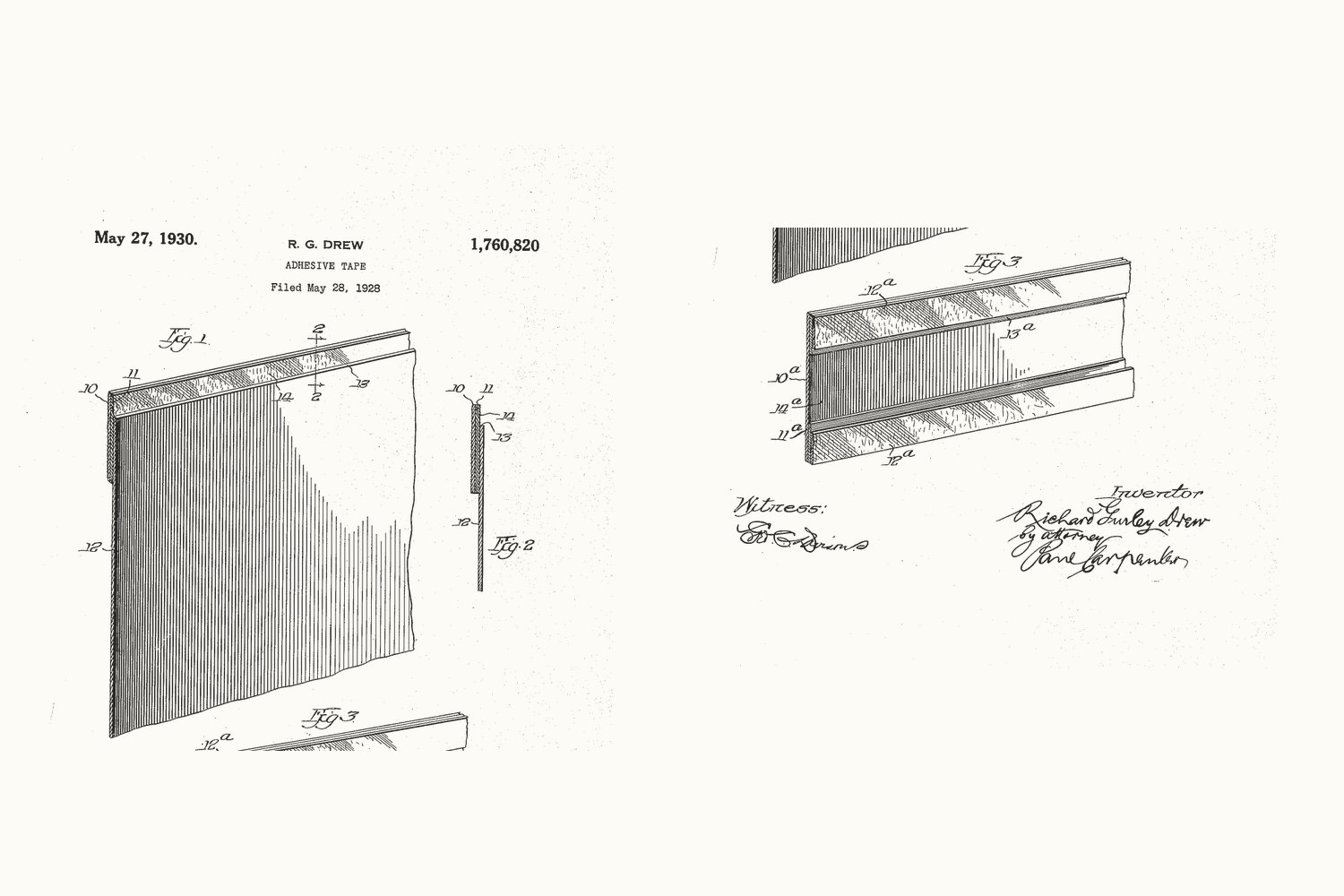
In the mid-1920s, a young lab worker at a small sandpaper company noticed that auto painters were swearing at their two-tone cars. His fix was masking tape — and later, Scotch tape.

Invented 1925 · patent 1,760,820
Patents & Inventions

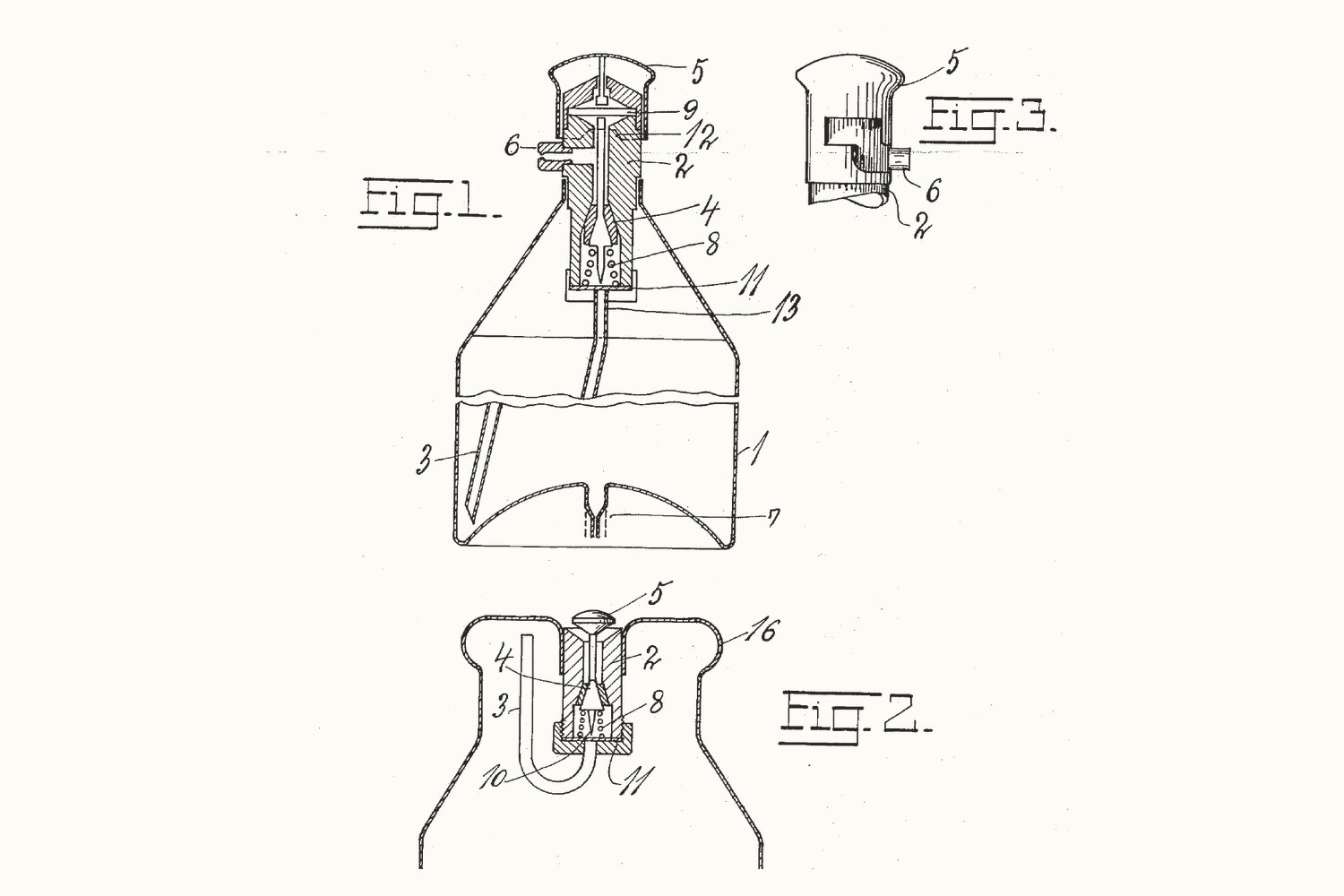
A Norwegian Engineer Files the Patent Behind the Spray Can

In the autumn of 1926, Erik Rotheim of Oslo asked for a patent on a bottle that could spray its contents under its own pressure. The idea now sits in almost every bathroom and kitchen.

Filed in Norway Oct. 8, 1926

Main Street Wallet

Main Street Wallet

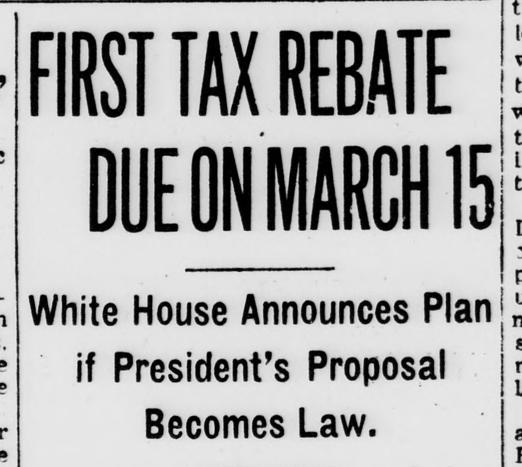
"Give the Surplus Back": President Coolidge's Plan to Cut Taxes 15%

Good news led page 1 on November 16, 1926. The Treasury had money left over, and President Coolidge wanted to hand it back to the people who paid taxes. If Congress agreed, the cut would start when income tax came due on March 15.

A Treasury surplus, 15% back to taxpayers
Main Street Wallet

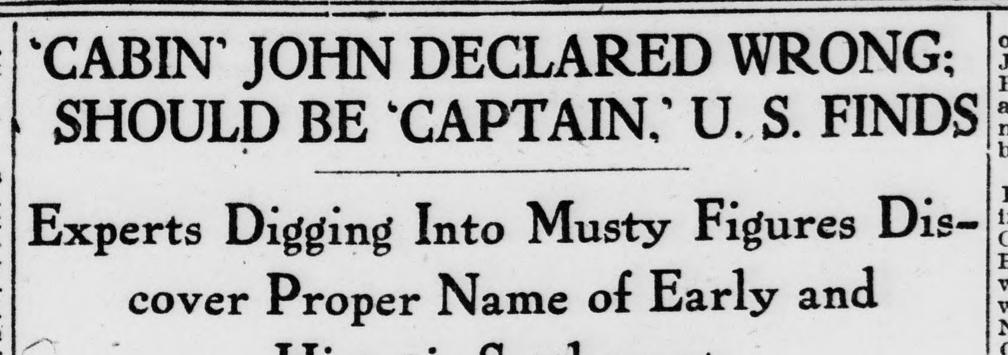
Not "Cabin" John but "Captain" John: Old Land Papers Reveal Whose Name It Really Was

On Sunday morning, November 14, 1926, the paper carried a surprise. "Cabin John," the name everyone used for the creek and neighborhood at the end of a Washington carline, was a mistake. The real name, the government found, belonged to a prominent Native American who lived in the valley: Captain John.

Wrong for ages: not "Cabin" but "Captain"
Main Street Wallet

No Date for the Dance? This 1926 Student Ran an Ad

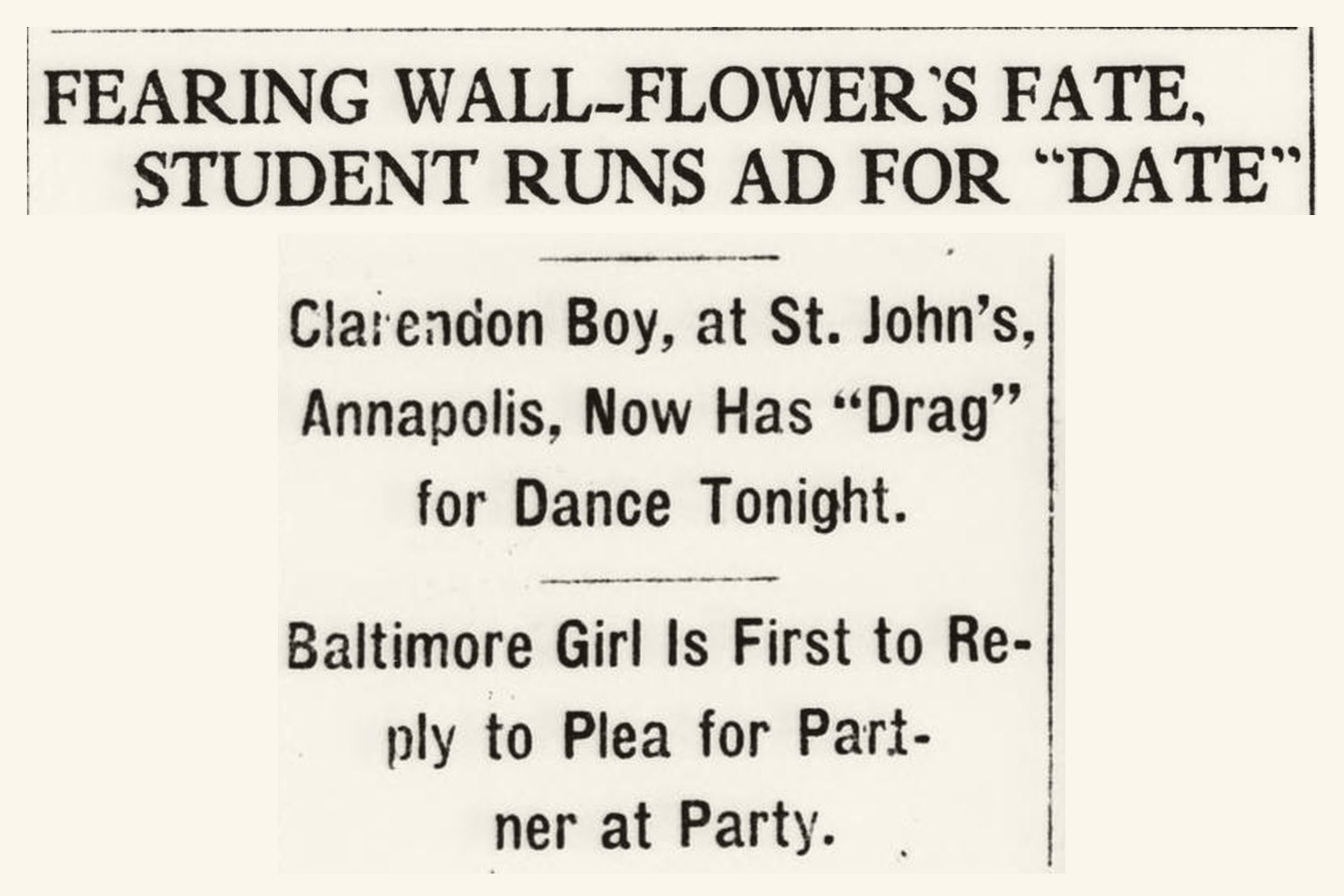
On November 13, 1926, the paper told how a college sophomore with no partner for that night's dance put an ad in the paper. One small notice brought three telegrams, three letters and a crowd of reporters. It was a brilliant bit of self-marketing, 100 years ago.

One small ad, 3 telegrams and 3 letters
Main Street Wallet

The 95 Pairs of Shoes Left by a Man Who Walked the World for 40 Years

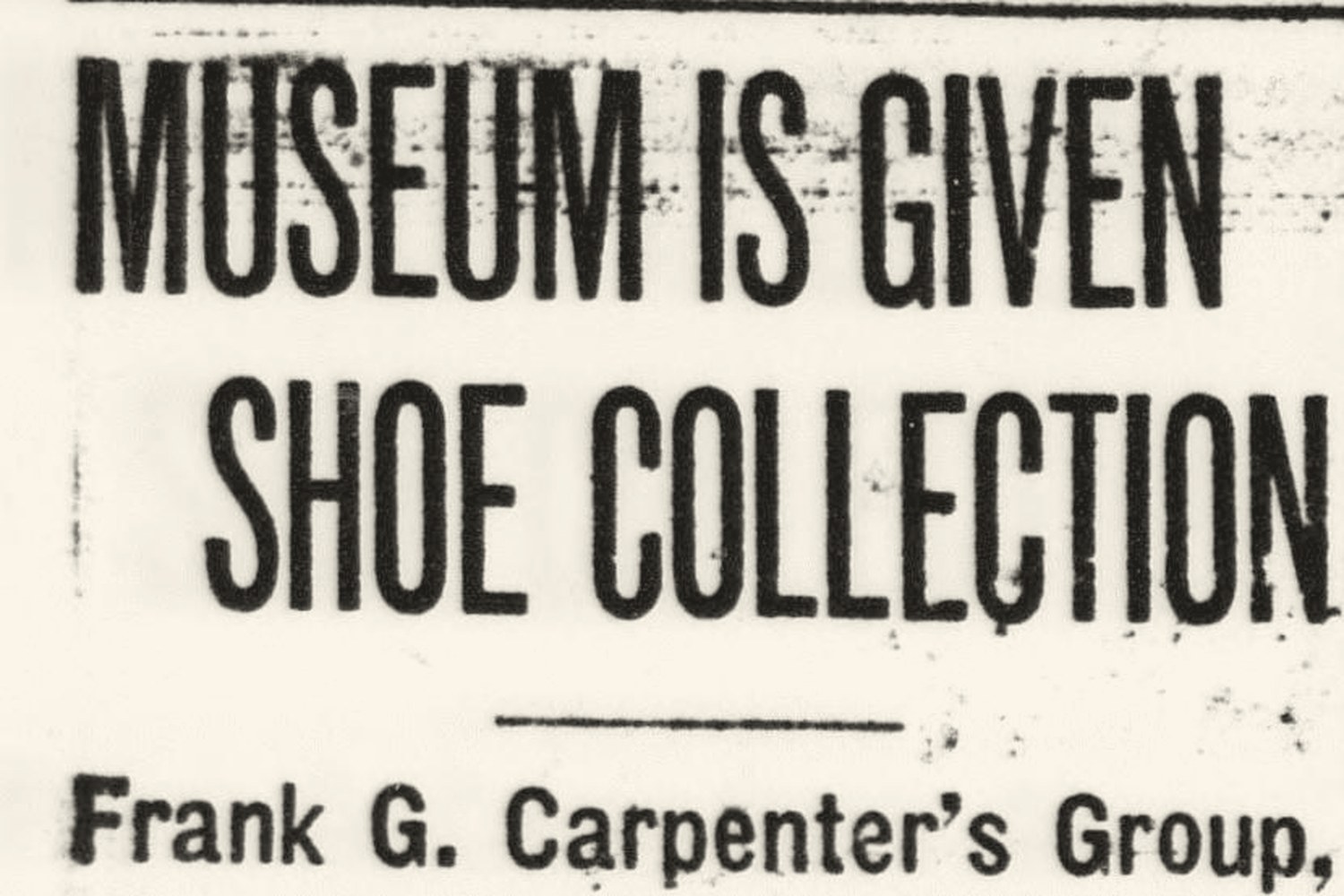
On November 12, 1926, the paper reported that the travel writer Frank G. Carpenter's collection of 95 pairs of shoes from around the world was going to the Smithsonian. His daughter gave her father's shoes to the public.

95 pairs of shoes from 40 years of travel
Main Street Wallet

Fifty Years That Began in London, and the Couple's November 11

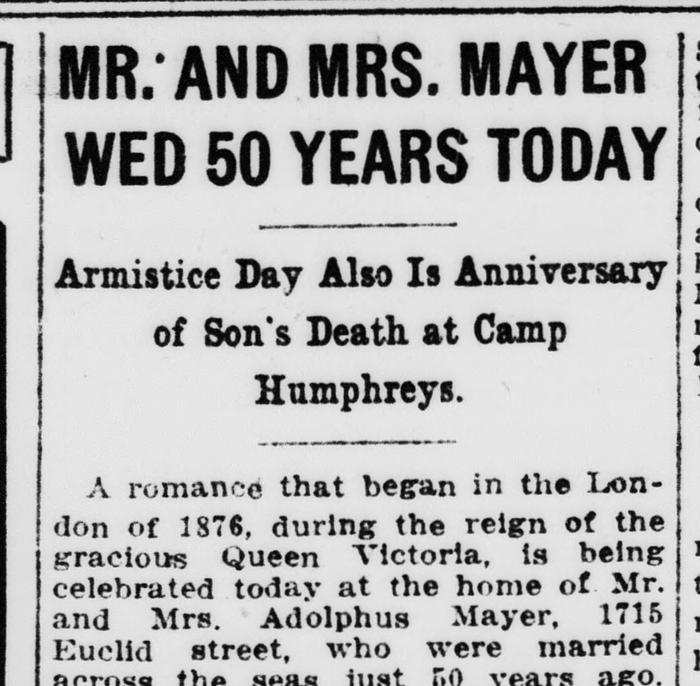
On November 11, 1926, Adolphus and Elizabeth Mayer of Washington celebrated their golden wedding. They had married on that same day in London fifty years before. And on that same day eight years earlier, they had lost a son.

Married on Nov. 11, 1876
Main Street Wallet

Brussels Came to See Two People, Not the Crowns

On the morning of November 10, 1926, Crown Prince Leopold of Belgium and Princess Astrid of Sweden were married in Brussels. To thousands of people that day, the paper wrote, they were "simply Leopold and Astrid."

The names the crowd called: Leopold and Astrid
Main Street Wallet

A First Lesson at Sea: The Film 825 Immigrants Watched

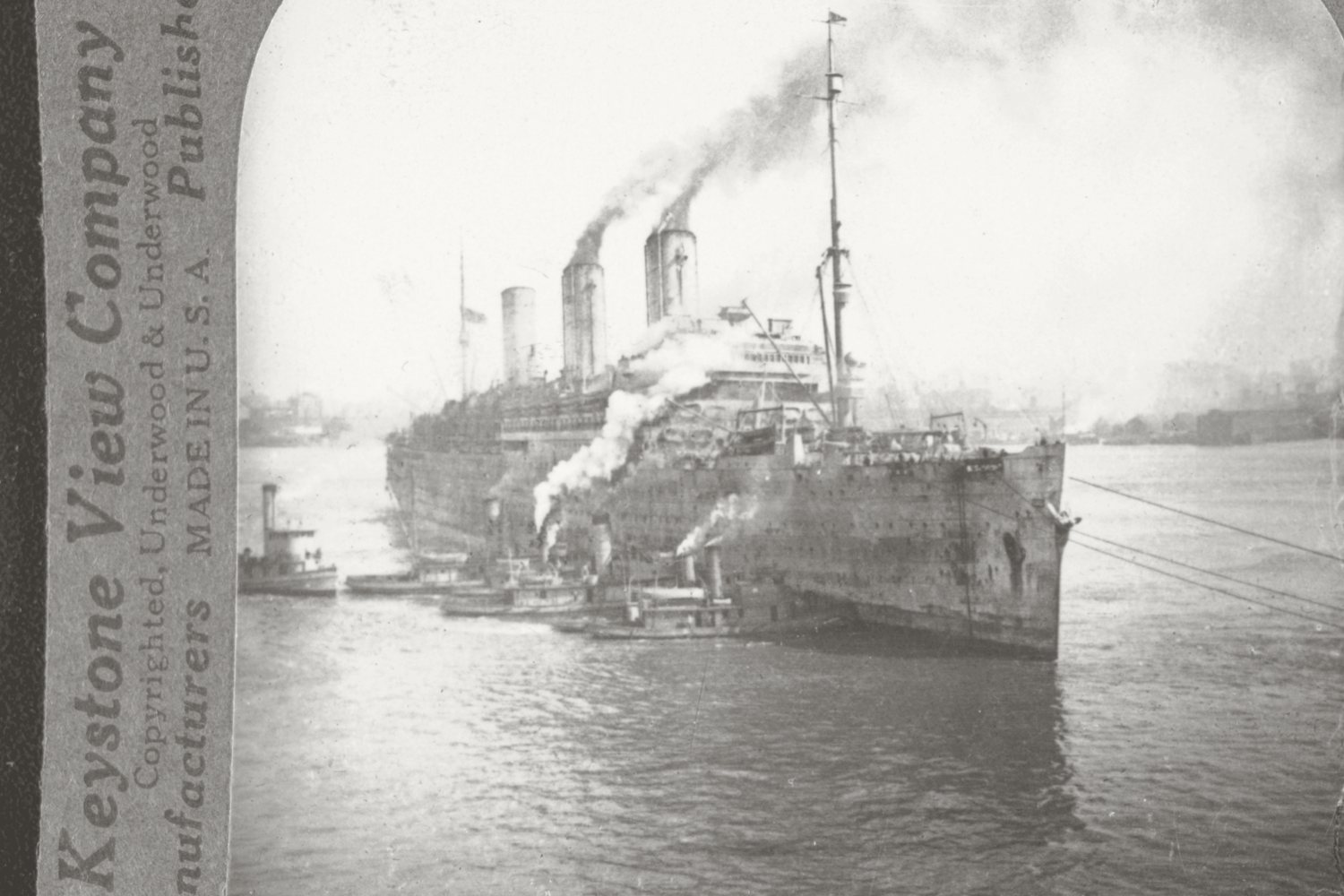
On November 9, 1926, the paper reported on a liner that had come into New York the day before. Before stepping ashore, 825 immigrants from 30 countries watched a film about their new country together.

825 immigrants from 30 countries
Main Street Wallet

The Machine That Gave Women Back Their Mondays

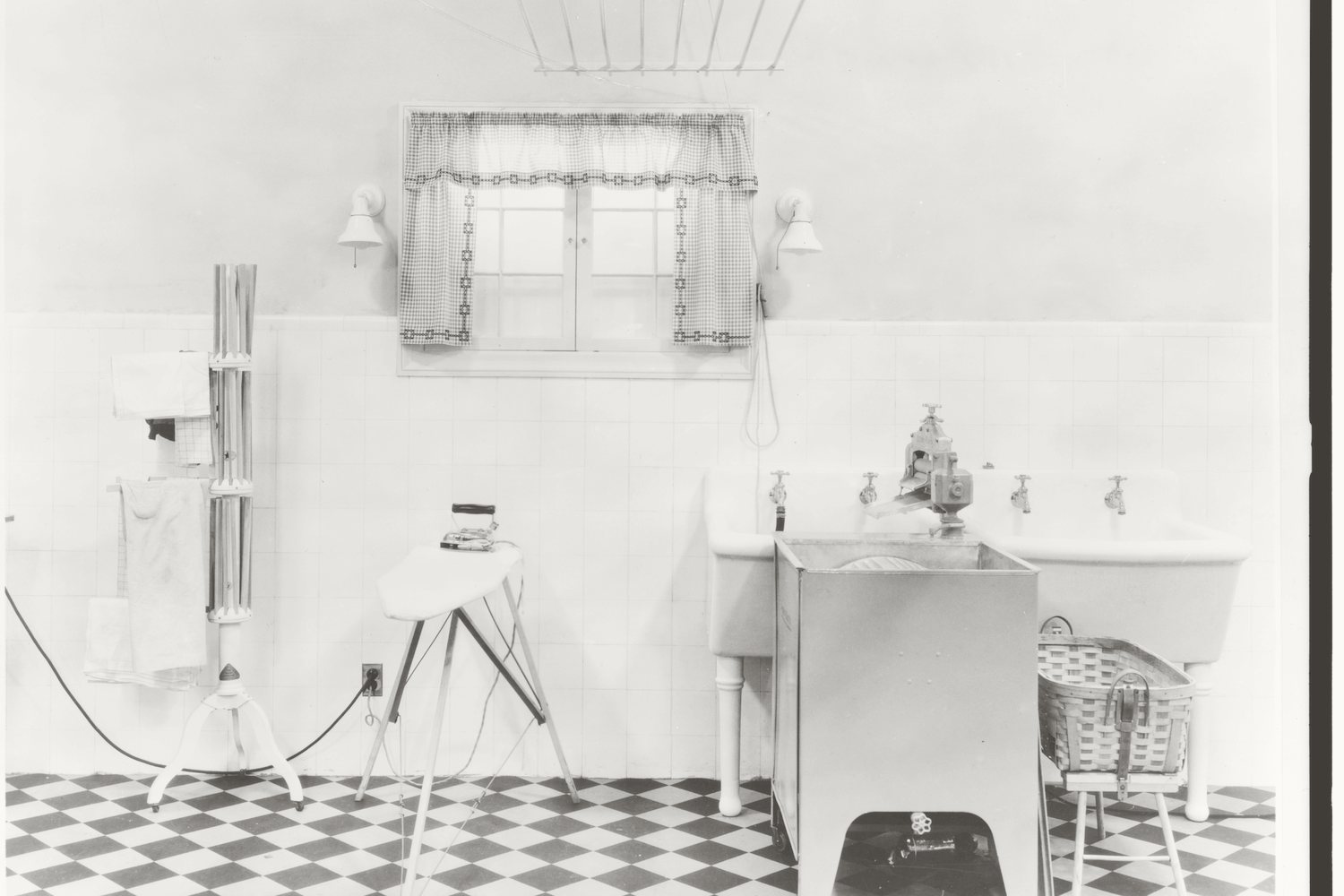
For American women in 1926, Monday was wash day — all day. Haul and heat the water, scrub on the washboard, wring, hang. That year, the washing machines spreading into American homes began to return their greatest gift: time.

Women get their Mondays back
Main Street Wallet

The Catalog Store Comes to Town: Sears

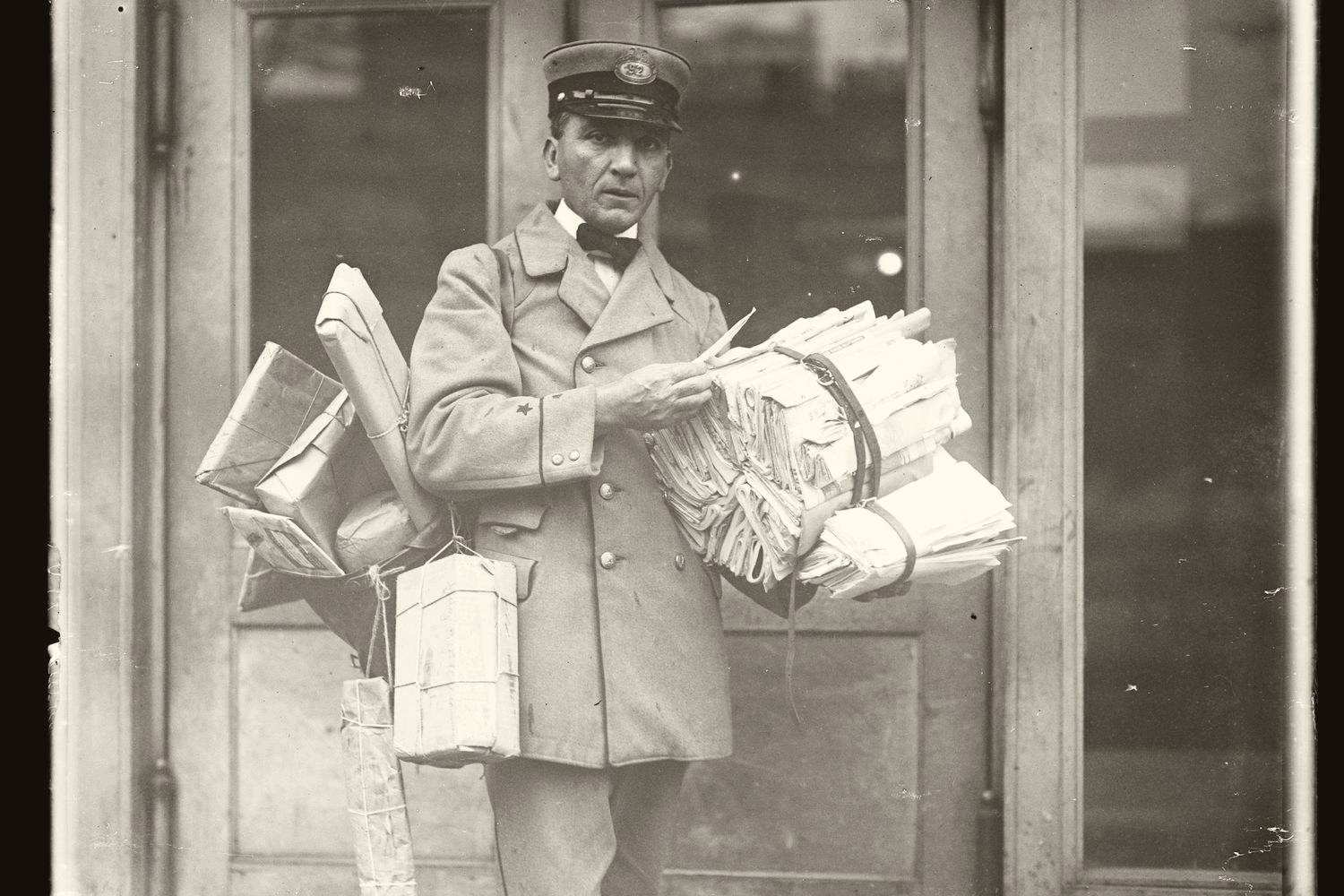
For decades, rural Americans flipped through the thick Sears catalog and ordered by mail. Then in 1925, Sears opened its first real store — because the car was starting to bring customers to town.

Mail-order catalog → neighborhood store
Main Street Wallet

Gift Money That Arrives in November: The Christmas Club

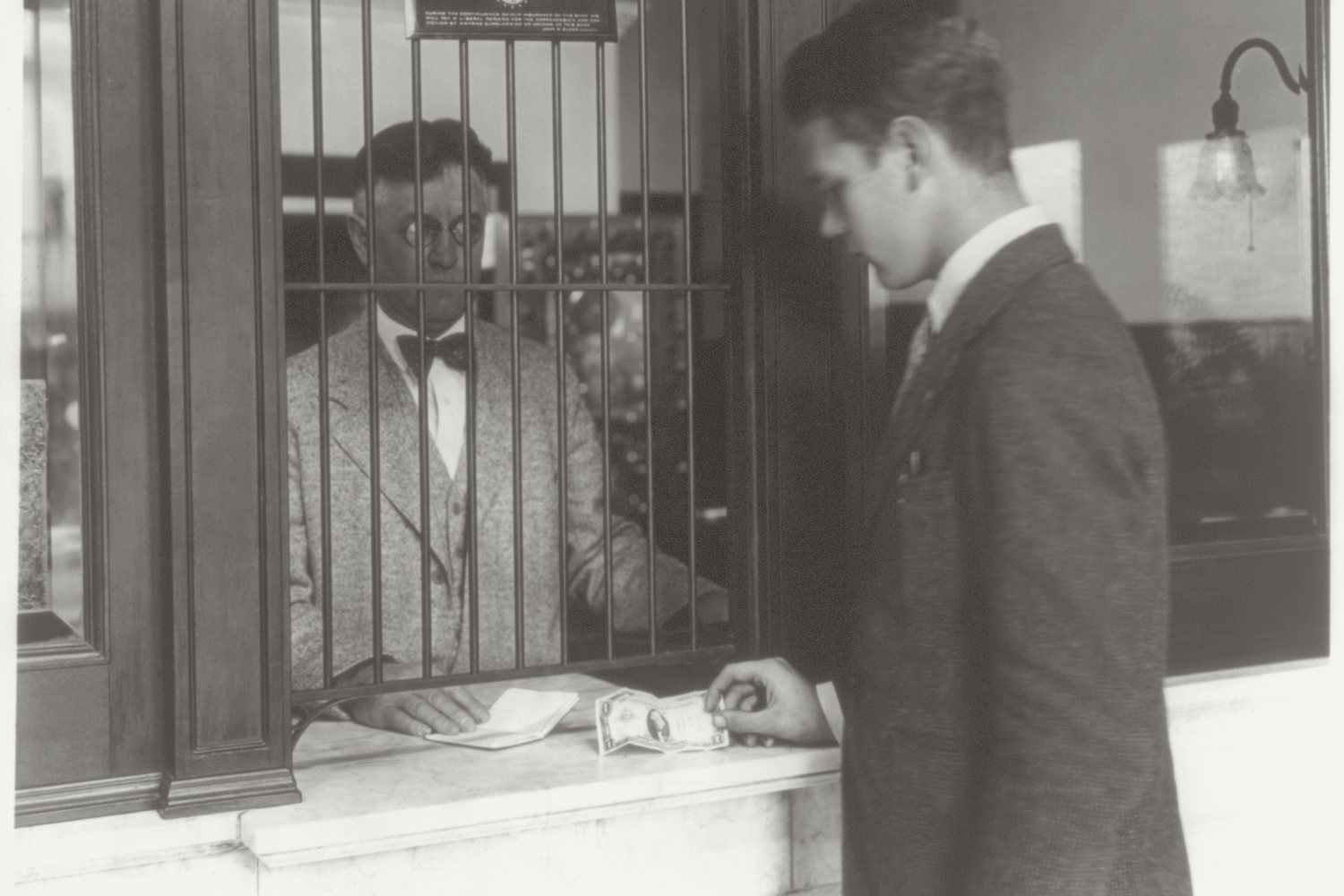
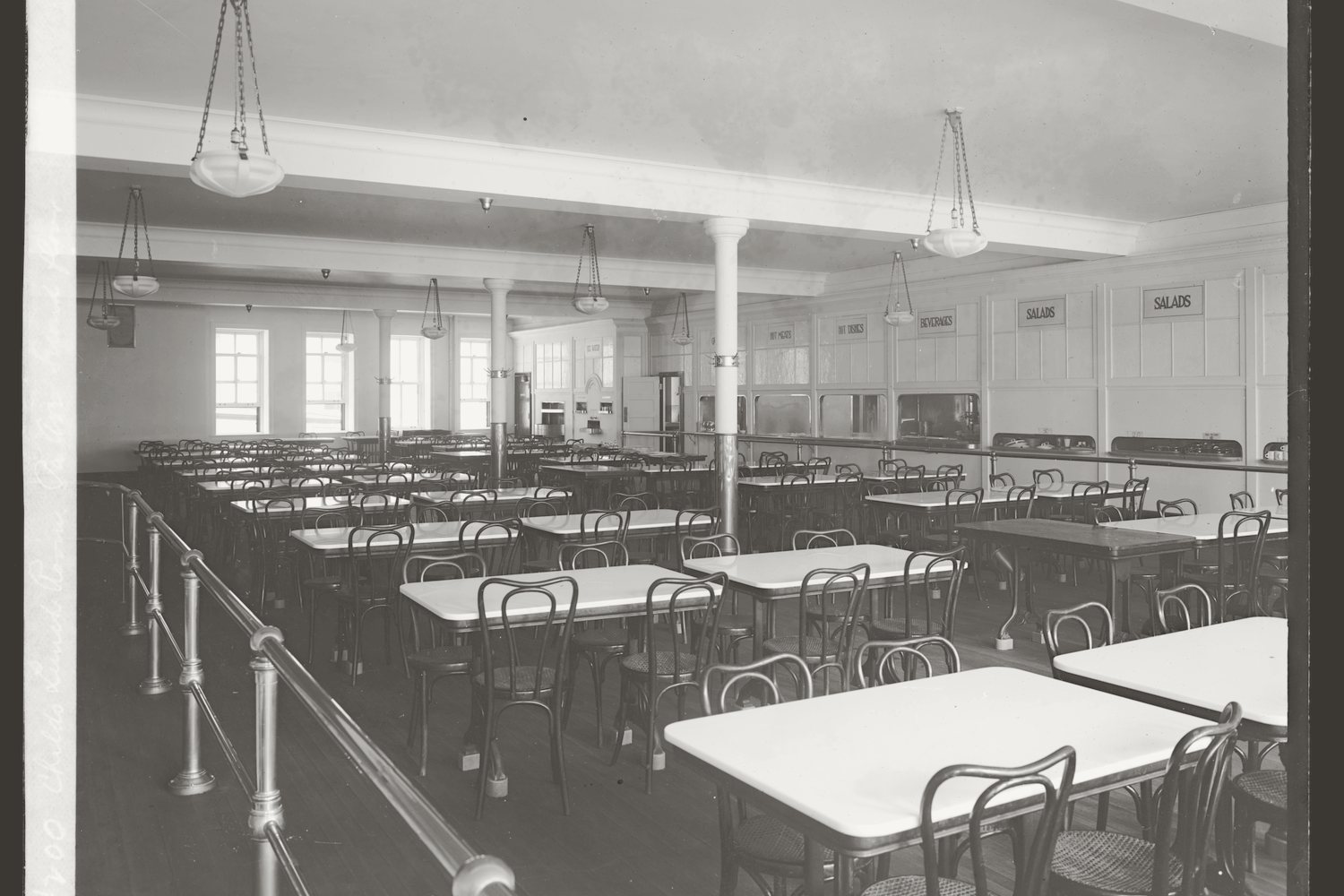
In November 1926, bank checks arrived in homes across America — a year of small weekly savings, ready just in time for Christmas shopping. You could start with a penny a week.

A little each week → gift money in November
Main Street Wallet

Lunch for a Nickel: The 5-Cent Hamburger

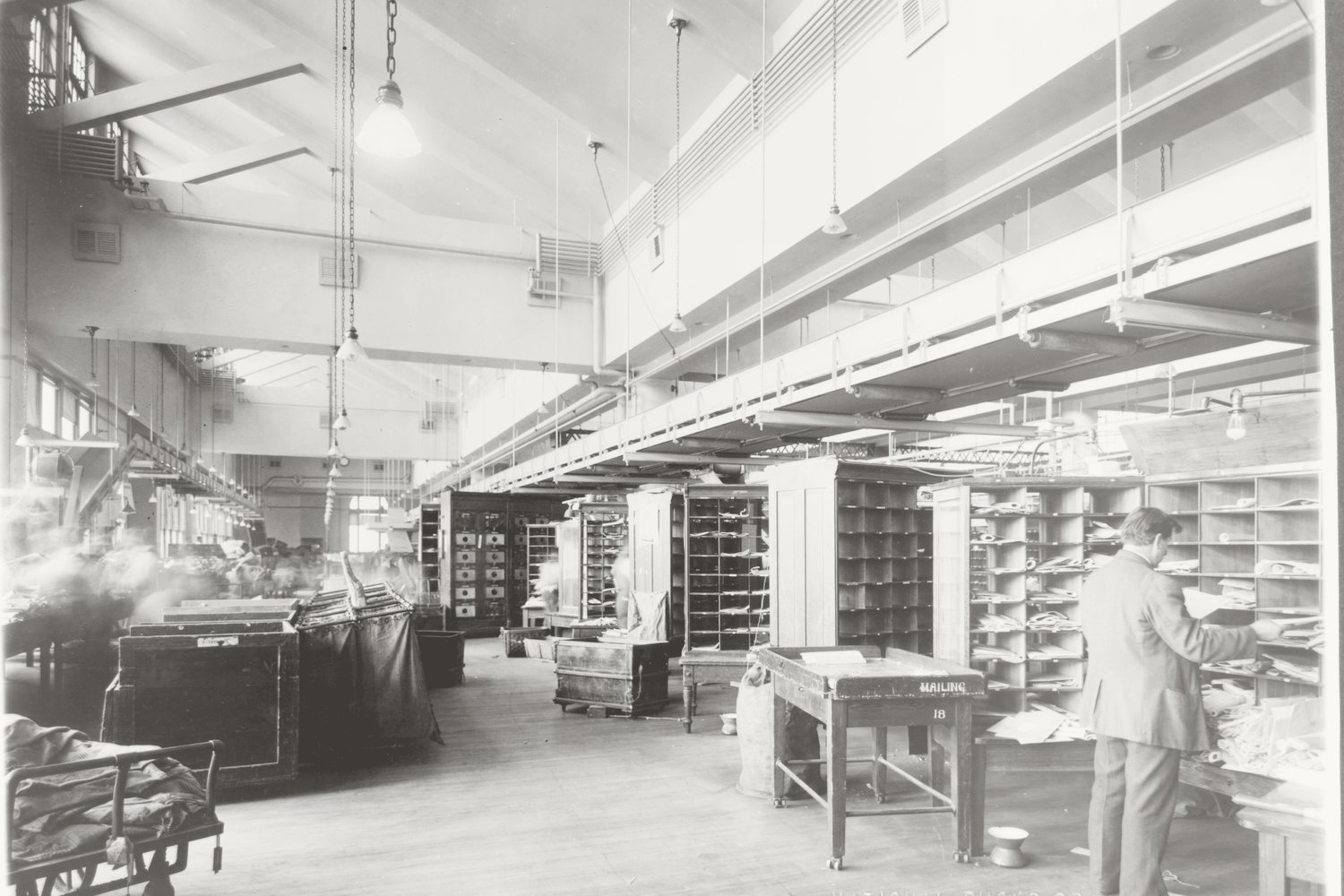
In 1926 the most filling lunch in America cost one coin. A cook and a promoter from Kansas built little white restaurants that sold 5-cent hamburgers — and people bought them by the sack.

A hamburger: 5¢ → ≈ 95¢ today
Main Street Wallet

The Nickel Coke: The Price That Didn't Move for 73 Years

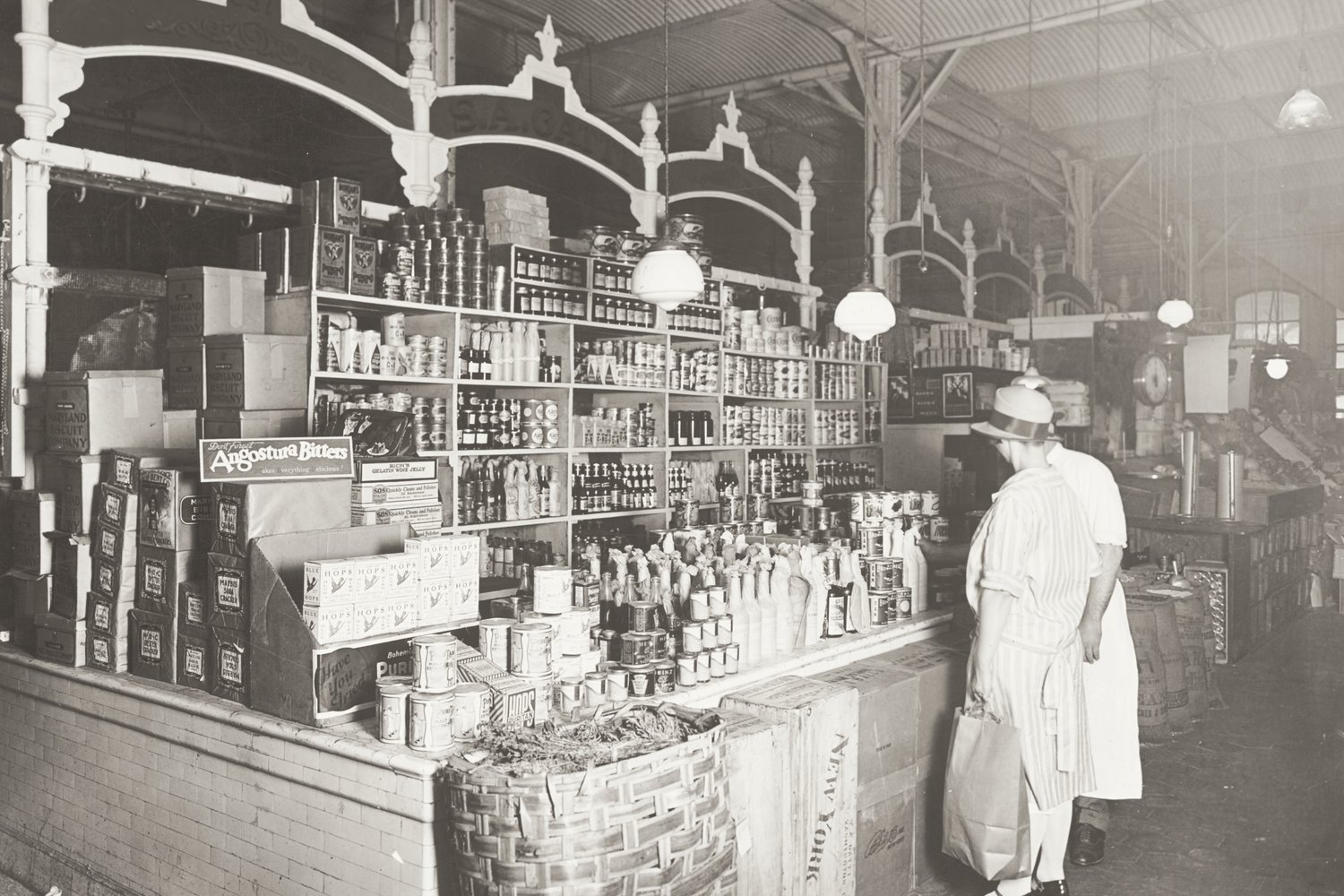
In 1926, a Coca-Cola cost five cents. It had cost five cents in 1886, and it would still cost five cents in 1959. Here is how one small price stood still while the world changed around it.

5¢ then → ≈ 95¢ in today's money
Take a break: today's Sudoku

A fresh puzzle every day from our sister site, free in your browser.

Play SudokuHow to solve