The Women Who Printed the Nation's Money Asked What Their Work Was Worth
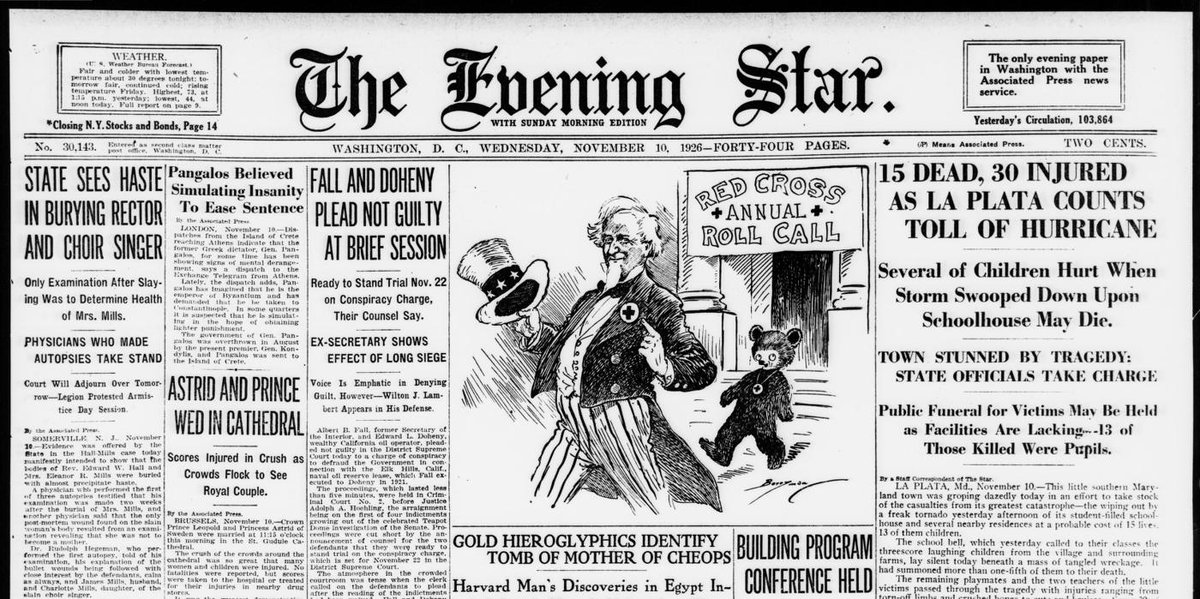
On November 10, 1926, the paper reported that workers at the Bureau of Engraving and Printing had adopted a resolution the night before. They asked for a proper rating of the jobs held by women — and that no job in their class pay less than 60 cents an hour.
Page 3 of the Evening Star that day carried a Washington story. Federal Employes' Union 105, made up of employees of the Bureau of Engraving and Printing — where the nation's paper money and stamps are made — had adopted a resolution the night before.
It asked for two things. First, that the positions held by women at the bureau be properly allocated under the classification act. Second, that pay in the clerical-mechanical service be raised so that no position in that class would be paid less than 60 cents an hour.
Three years of waiting
According to the resolution, the original allocation had been pending for three years, and in that time there had been no increases for women employees. The Classification Board happened to have representatives surveying the bureau. The workers said salaries there were lower than at the Government Printing Office, although the work was of a higher grade. "We believe that a proper valuation of the work will result in the application of increased rates to all positions in the institution," their statement said. The resolution was to be sent to each member of the board and to the director of the budget.
On page 3
- Who: Federal Employes' Union 105 (Bureau of Engraving and Printing)
- When: adopted the night of Nov. 9, 1926
- Ask 1: a proper rating of positions held by women
- Ask 2: no less than 60 cents an hour (about $11 today)
- Background: rating pending three years; no raises for women
100 years later
The people who printed the nation's money asked what their own work was worth. They spoke not by raising their voices but with comparisons, a survey and a polite resolution. Explaining the value of your work calmly is still a skill every working person needs, 100 years later.
Sources
- Evening Star, Nov. 10, 1926, page 3: "Women in Engraving Bureau Held Underpaid"
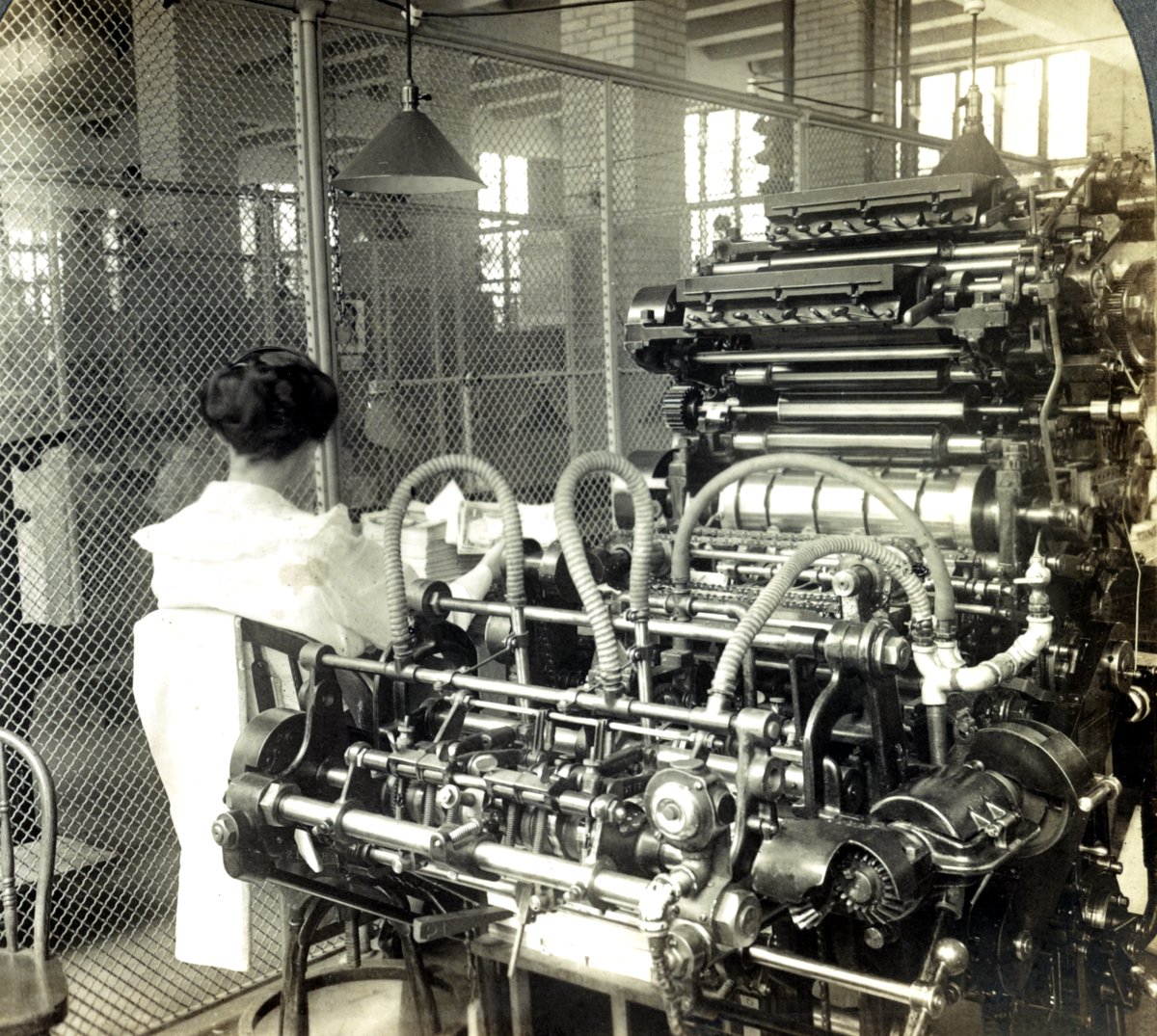
- Library of Congress: numbering and sealing paper money at the Bureau of Engraving and Printing (1917, Keystone View Co.)
Dollar conversions use the U.S. Bureau of Labor Statistics CPI-U (1926 annual average 17.7; September 2026: 336.94), a factor of about 19.