Two Cents to Say "I Miss You": What a Letter Cost in 1926
In 1926, two pennies sent a letter anywhere in the United States. It was the cheapest way to reach someone you loved — and it is one price that really has gone up.
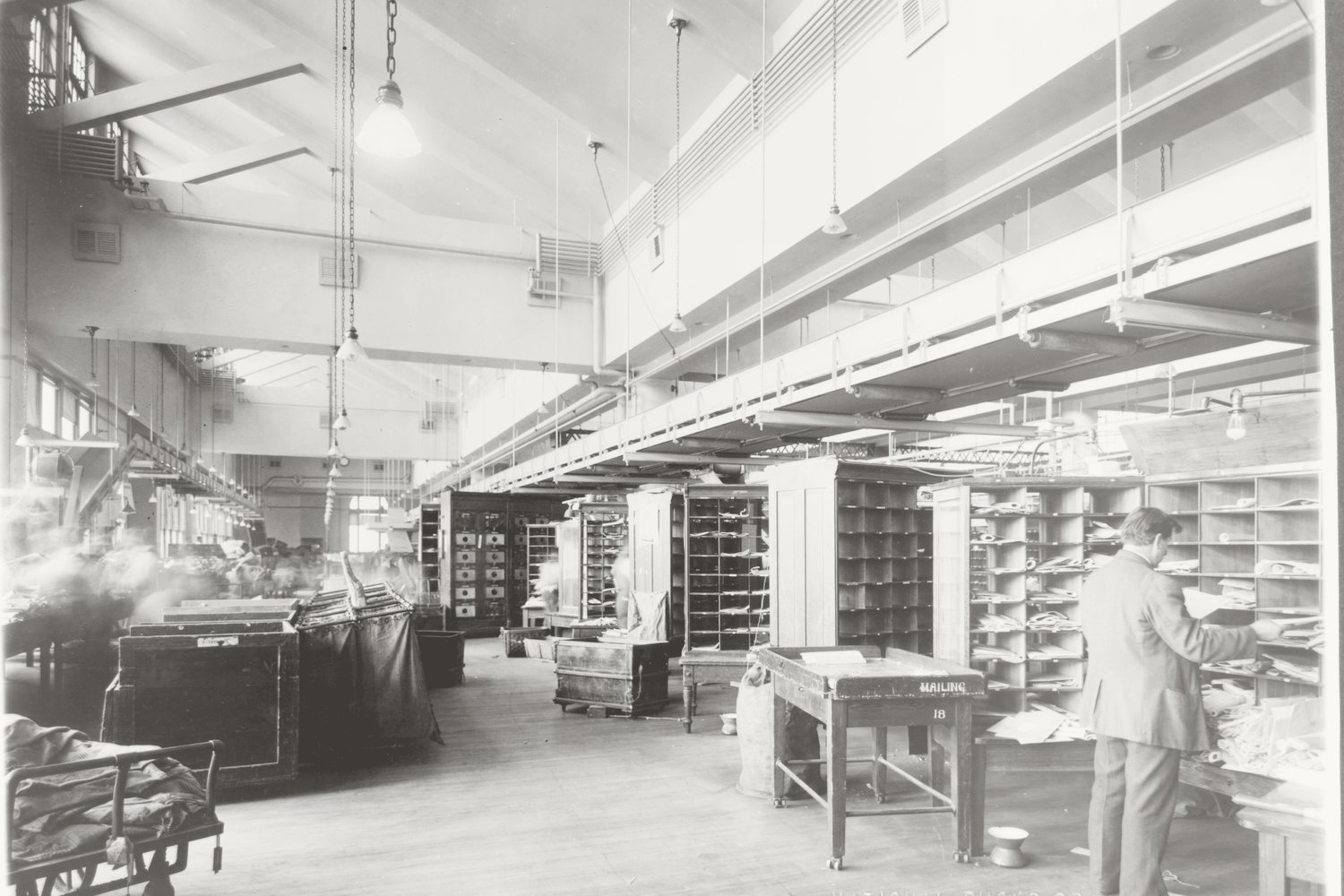
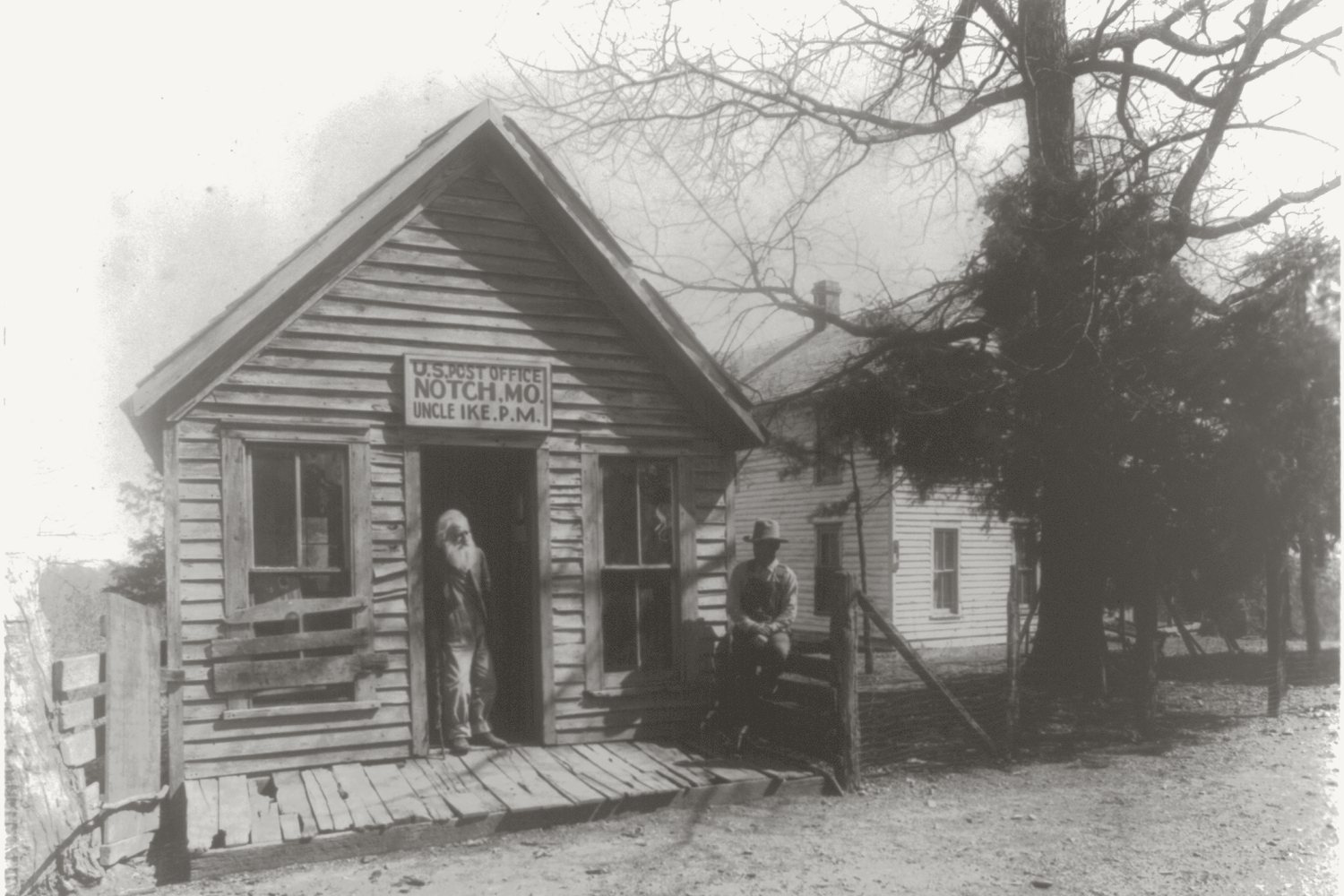
In 1926, a family scattered across the country stayed together by mail. A son working in a Detroit car plant, a daughter teaching school in Kansas, grandparents on a farm in Ohio — they all wrote letters. And every letter cost the same: two cents.
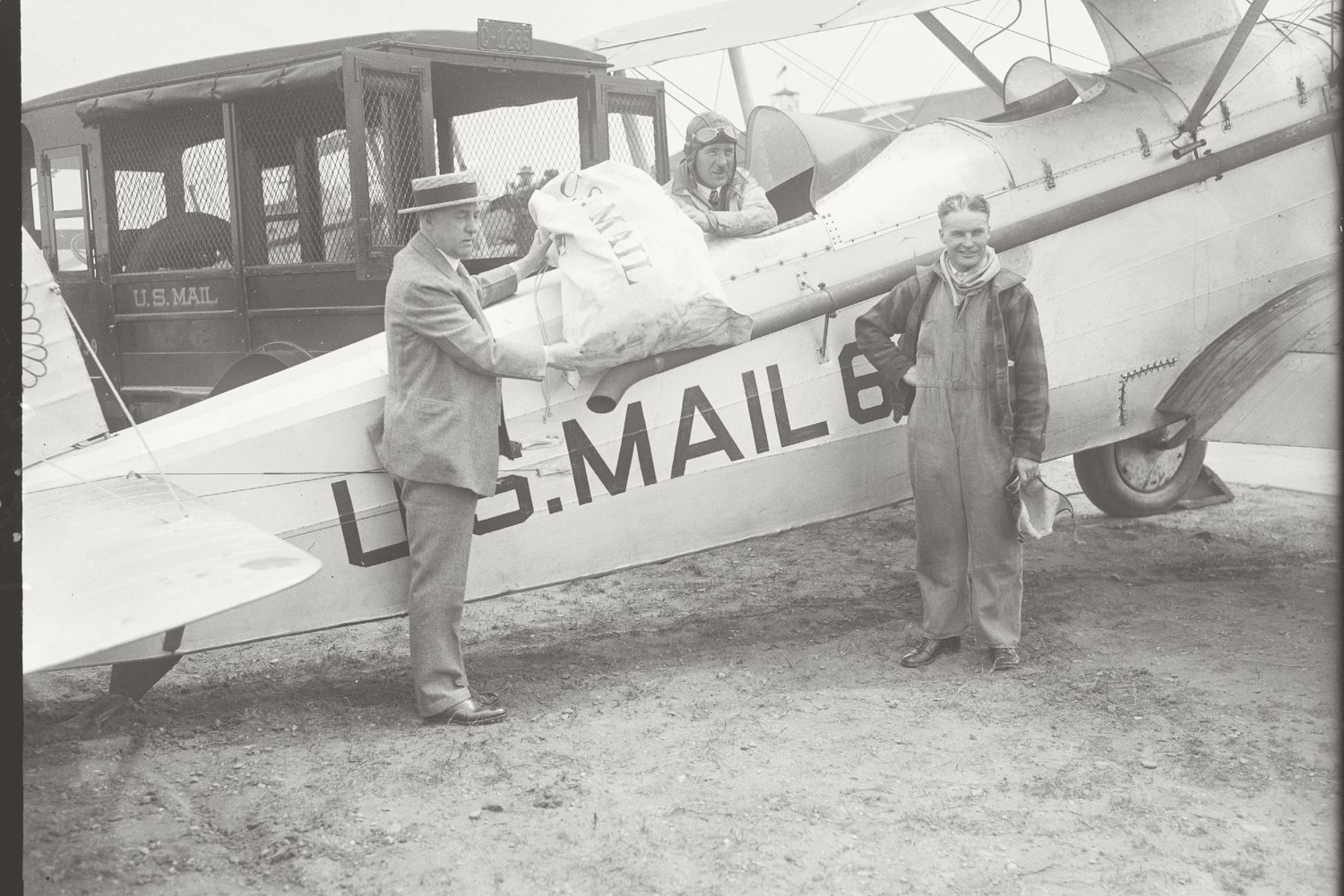
The first-class rate had been cut from three cents to two in July 1919, and it stayed at two cents until July 1932. For a little more you could send a letter by the new airmail, but the two-cent stamp carried most of America's news, love notes and birthday wishes.
Then and now
Here is a rare price that has grown faster than everything else. Two cents in 1926 money is worth about 38 cents today. But a Forever stamp now costs 82 cents, after the July 12, 2026 increase. In real terms, mailing a letter costs about twice what it did a century ago.
The letter, then and now
- First-class letter, 1926: 2¢ (rate from July 1919 to July 1932)
- 2¢ in today's money: about 38¢
- Forever stamp from July 12, 2026: 82¢
- Message by phone or email today: almost free
Of course, today we have another way. A message to someone across the country costs almost nothing and arrives in a second. The two-cent letter took days — but people often kept those letters for the rest of their lives.
Sources
- Widener University: A look at first-class postage through the years (1919: 2¢; 1932: 3¢)
- Money.com: Forever stamp rises to 82 cents on July 12, 2026
- Library of Congress: mail sorting room, U.S. Post Office, Washington, D.C.
Dollar conversions use the U.S. Bureau of Labor Statistics CPI-U (1926 annual average 17.7; September 2026: 336.94), a factor of about 19.