Monday, November 23, 2026100 years ago today: Tuesday, November 23, 1926

The Good News of 100 Years Ago

Money · Gold · Oil · Patents
Gold, 1 oz (1926)$20.67Eggs, a dozen48.5¢Milk, a quart14¢Ford Model T Runabout$360Route 662,448 mi$1 in 1926 = today≈ $19Gold today, 1 oz$4,043
Front Page › Oil & Industry
Oil & Industry

A Road in the Air: Manhattan Plans an Elevated Speedway on the Hudson

On November 12, 1926, the paper reported that Manhattan would build an elevated motor speedway along the Hudson River, part of a $25 million waterfront plan. The automobile was beginning to redraw the city.
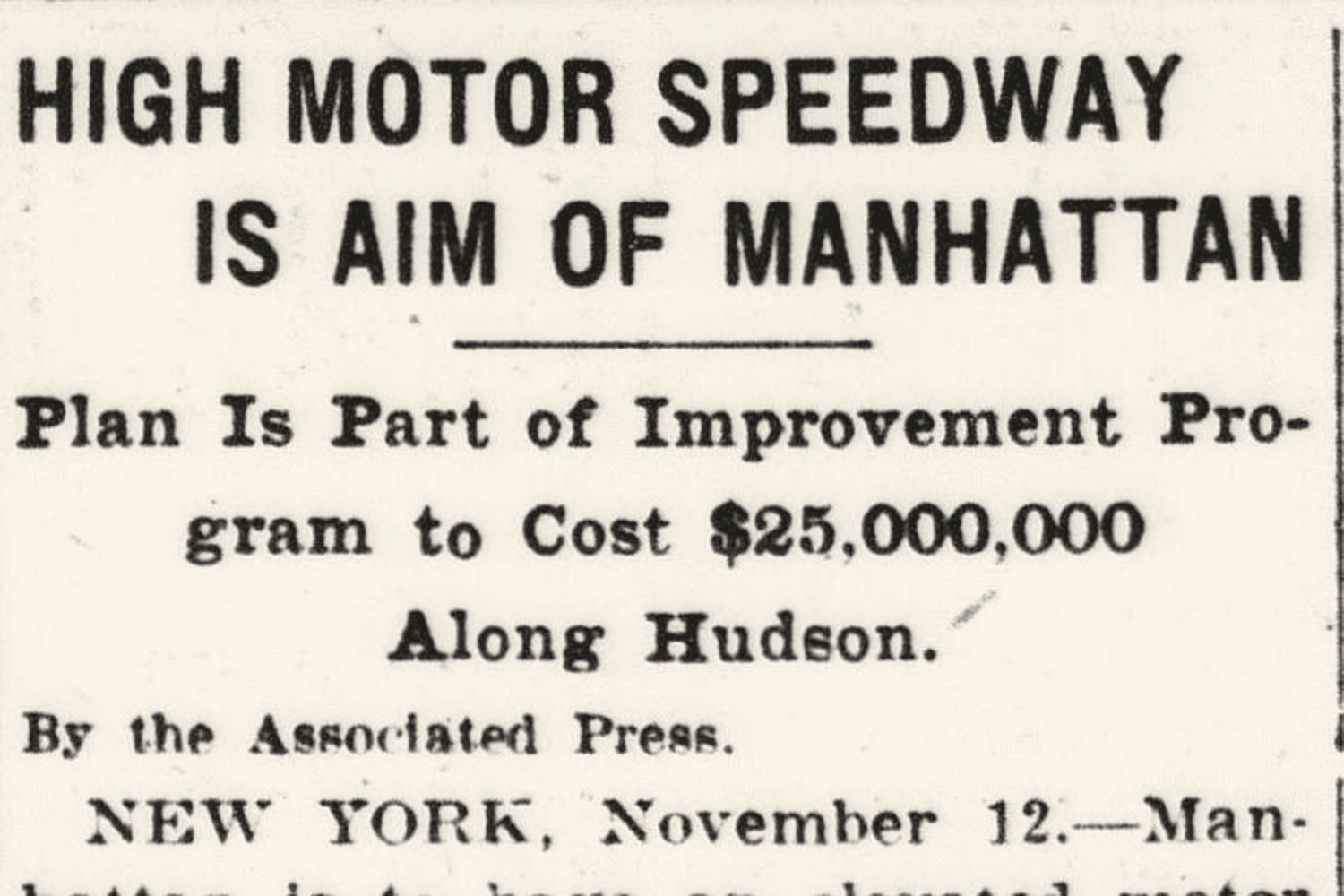
A story from the Evening Star of Nov. 12, 1926, headlined High Motor Speedway Is Aim of Manhattan
Evening Star, Nov. 12, 1926, page 34: "High Motor Speedway Is Aim of Manhattan. Plan Is Part of Improvement Program to Cost $25,000,000 Along Hudson." Evening Star, Nov. 12, 1926 / Library of Congress
The whole waterfront plan$25,000,000
In today's moneyAbout $475 million

Page 34 of the Evening Star that day carried an AP story from New York. Manhattan was to have an elevated motor speedway along the Hudson River from Seventy-second Street to Canal Street, part of it built over the New York Central Railroad tracks.

The day before, the city's Sinking Fund Commission had voted to vest title in the city to the waterfront property it needed, worth $2,000,000. The highway was part of a shorefront improvement program to cost $25,000,000.

Cars redraw the city

By 1926 more than 20 million motor vehicles were on American roads. Manhattan's west side waterfront was choked with trucks, wagons and freight trains running in the street. Lifting cars above it all was the newest idea of the age. The more cars ran on gasoline, the more cities drew roads for them first.

On page 34

  • Plan: an elevated motor speedway along the Hudson
  • Route: 72nd Street to Canal Street, partly over railroad tracks
  • Waterfront land: $2,000,000 (about $38 million today)
  • Whole waterfront plan: $25,000,000 (about $475 million today)
  • Decision: New York City Sinking Fund Commission

100 years later

Construction began in 1929 and was finished in 1951: the West Side Elevated Highway, also called the Miller Highway. But its lanes were too narrow for trucks, and it was poorly maintained. After a section collapsed in 1973 it was closed, and it was torn down by 1989. Today a surface boulevard and a riverside park run where it stood. A city's roads carry the dreams of their age — but only care makes them last.

The lesson, 100 years laterKeeping up a road matters as much as building it. New York dreamed of a highway in the air, but without care it did not last fifty years. The courage to start and the patience to maintain must go together.

Sources

  1. Evening Star, Nov. 12, 1926, page 34: "High Motor Speedway Is Aim of Manhattan" (AP, New York)
  2. Wikipedia: West Side Elevated Highway (built 1929–1951, closed 1973)

Dollar conversions use the U.S. Bureau of Labor Statistics CPI-U (1926 annual average 17.7; September 2026: 336.94), a factor of about 19.
More from this edition

The Day's Economy

Shaw Wins the Nobel: "It Must Be Because I Wrote Nothing That Year"

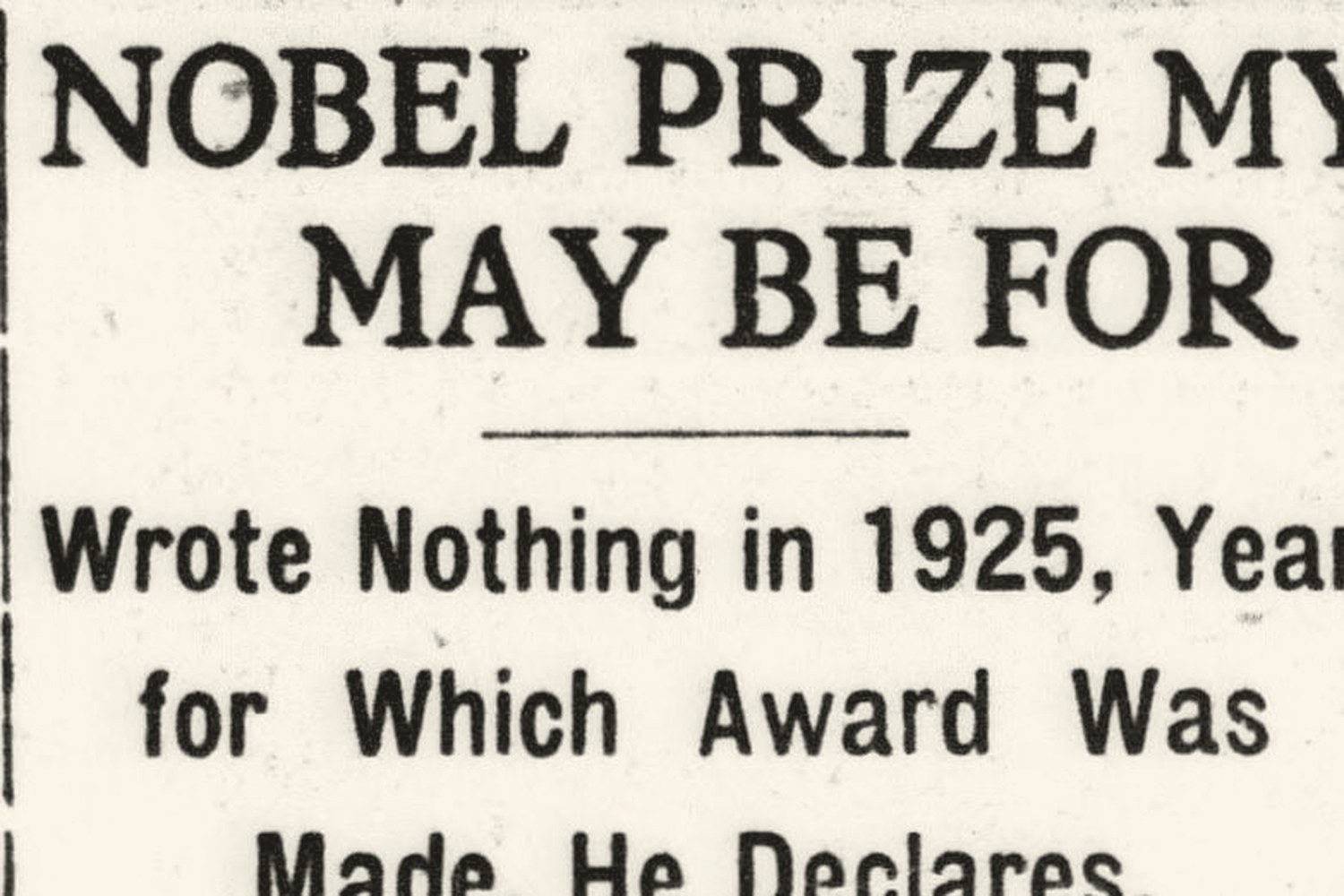
On November 12, 1926, the paper reported that George Bernard Shaw would receive the 1925 Nobel Prize for literature. Shaw laughed that it must be because he wrote nothing that year. A few days later he decided to spend the money on others.

"It must be because I wrote nothing"
Gold & Markets

Gold in the Alps: What 35 Grams per Ton Was Worth

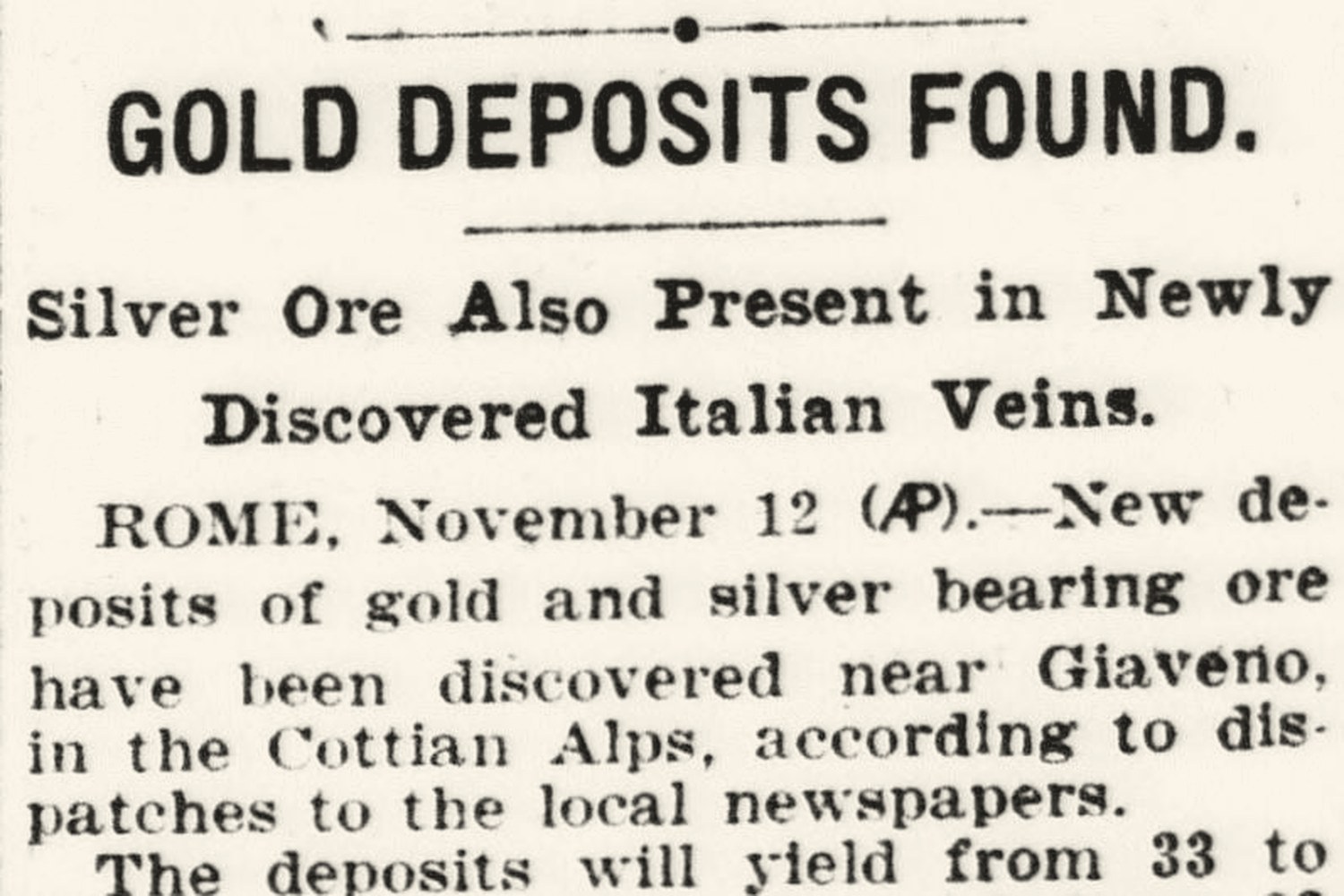
On November 12, 1926, the paper reported new veins of gold and silver ore in the Italian Alps — 33 to 38 grams of gold per ton of rock. At 1926 prices that was about $24 of gold a ton; at today's, about $4,600.

33–38 grams of gold per ton of ore
Patents & Inventions

A Device Against the Pilot's Worst Fear: the Tail Spin

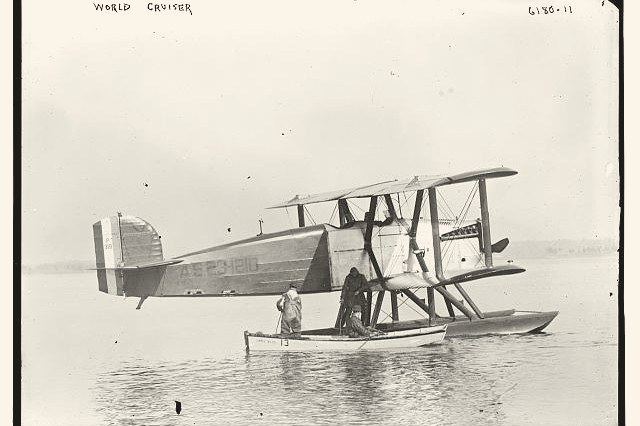
On November 12, 1926, the paper reported that Donald Douglas, who designed the round-the-world planes, had invented a device to prevent tail spins. Twenty-two test flights, his plant said, proved it worked.

22 test flights, all successful
Main Street Wallet

The 95 Pairs of Shoes Left by a Man Who Walked the World for 40 Years

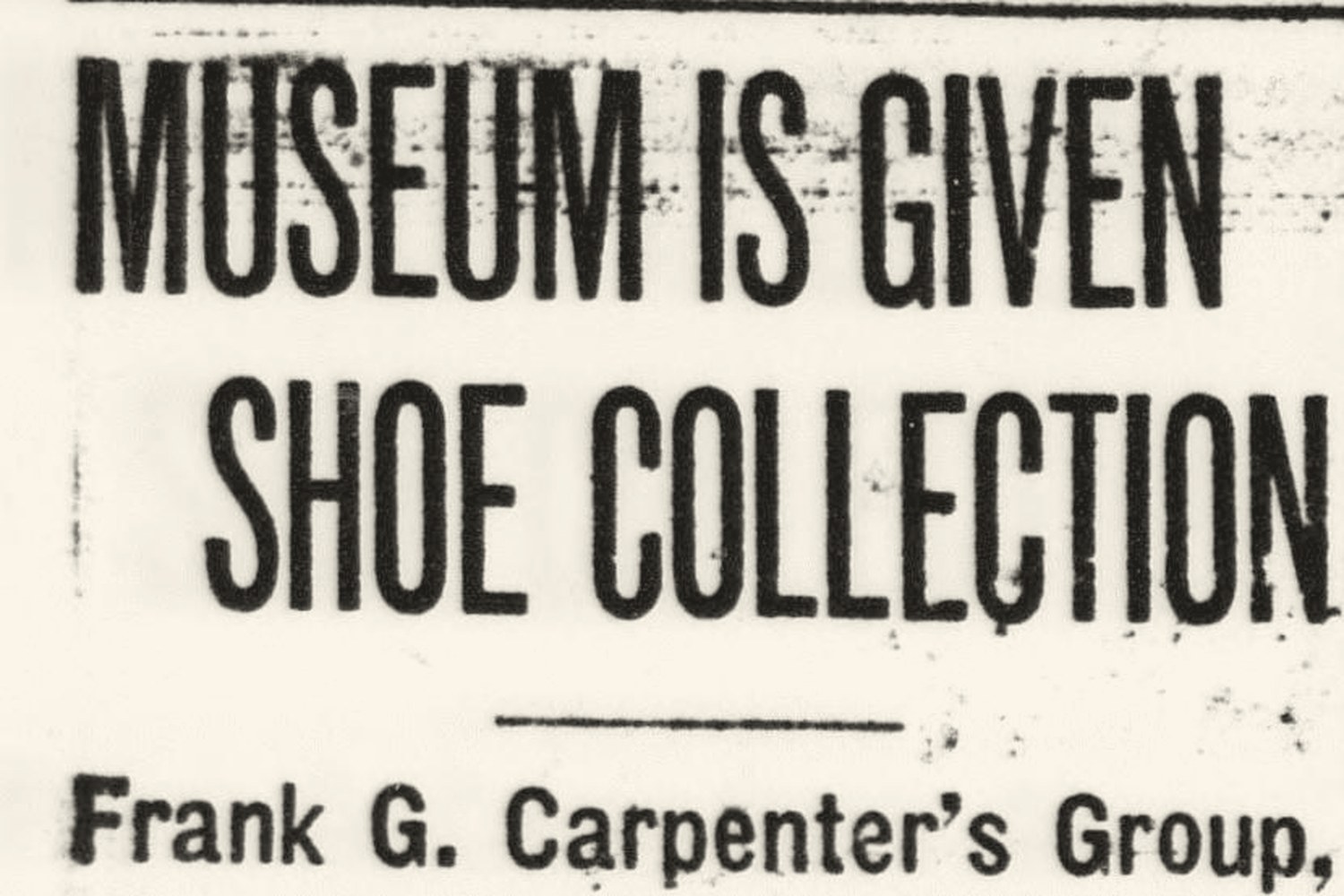
On November 12, 1926, the paper reported that the travel writer Frank G. Carpenter's collection of 95 pairs of shoes from around the world was going to the Smithsonian. His daughter gave her father's shoes to the public.

95 pairs of shoes from 40 years of travel