Monday, November 23, 2026100 years ago today: Tuesday, November 23, 1926

The Good News of 100 Years Ago

Money · Gold · Oil · Patents
Gold, 1 oz (1926)$20.67Eggs, a dozen48.5¢Milk, a quart14¢Ford Model T Runabout$360Route 662,448 mi$1 in 1926 = today≈ $19Gold today, 1 oz$4,043
Front Page › Oil & Industry
Oil & Industry

A Sign That Glowed in Daylight: Neon Comes to America

In 1923, a Los Angeles car dealer hung two strange signs from France. A red light burned inside glass tubes, and people stopped in the street to stare. By 1926, America’s nights were turning red.
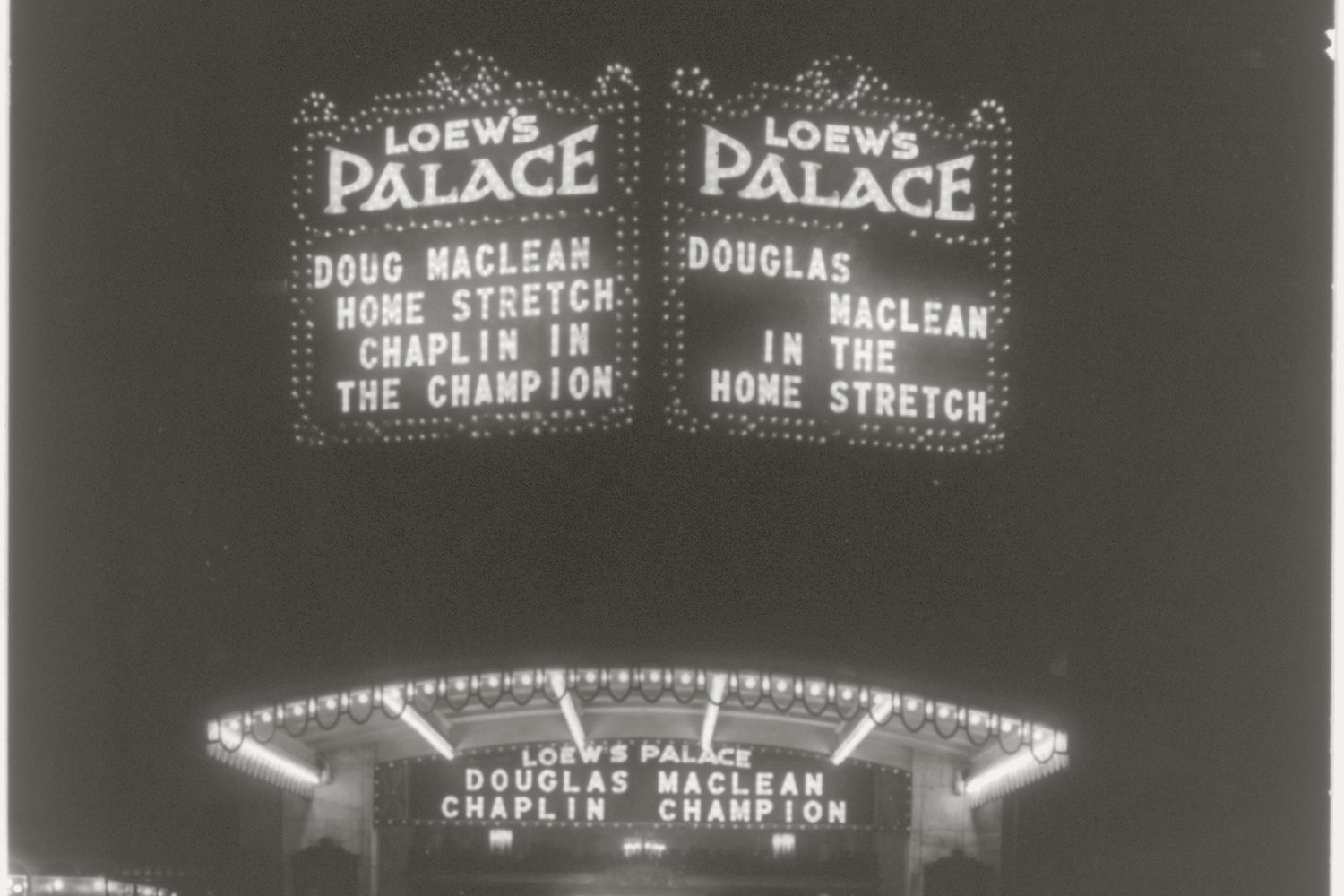
A theater sign and marquee blazing with hundreds of light bulbs at night
Loew's Palace Theater, Washington, D.C., 1924, lit with electric bulbs. City nights of the 1920s were getting brighter with bulbs and the newly arrived neon. Library of Congress
First U.S. neon sign$1,250
in today's money≈ $24,000

In December 1910, at the Paris Motor Show, inventor Georges Claude lit two red tubes 12 meters (39 feet) long. Filled with neon gas and charged with electricity, they glowed bright red. It was the beginning of the neon sign.

In 1923, Claude's company brought the signs to America. The first customer was Earle C. Anthony, who owned a Packard car dealership in Los Angeles. He bought two signs that read "Packard," for $1,250 each — $2,500 for the pair.

"Liquid fire"

The signs were bright even in daylight. People stopped and stared, and the signs were reportedly nicknamed "liquid fire." Soon theaters, restaurants and filling stations were hanging neon signs of their own.

Neon signs

  • First shown: December 1910, Paris Motor Show (Georges Claude)
  • First U.S. sale: 1923, a Packard dealer in Los Angeles
  • Price: $1,250 a sign (about $24,000 today)
  • Nickname: "liquid fire"

In 1926, American city nights were growing brighter with thousands of bulbs and the newly arrived neon. The lights of Las Vegas and Seoul today have two Los Angeles signs from 1923 for grandparents.

The lesson, 100 years laterBeing seen is worth something. Anthony paid about $24,000 in today’s money for one sign, and people stopped to look at his store. The courage to try something new first can be the brightest sign of all.

Sources

  1. Neon sign (Wikipedia: 1910 Paris Motor Show, 1923 Packard signs at $1,250 each, "liquid fire" anecdote)
  2. Library of Congress: Loew's Palace Theater (1924)

Dollar conversions use the U.S. Bureau of Labor Statistics CPI-U (1926 annual average 17.7; September 2026: 336.94), a factor of about 19.
More from this edition

The Day's Economy

The Store That Handed Shoppers the Basket: Piggly Wiggly

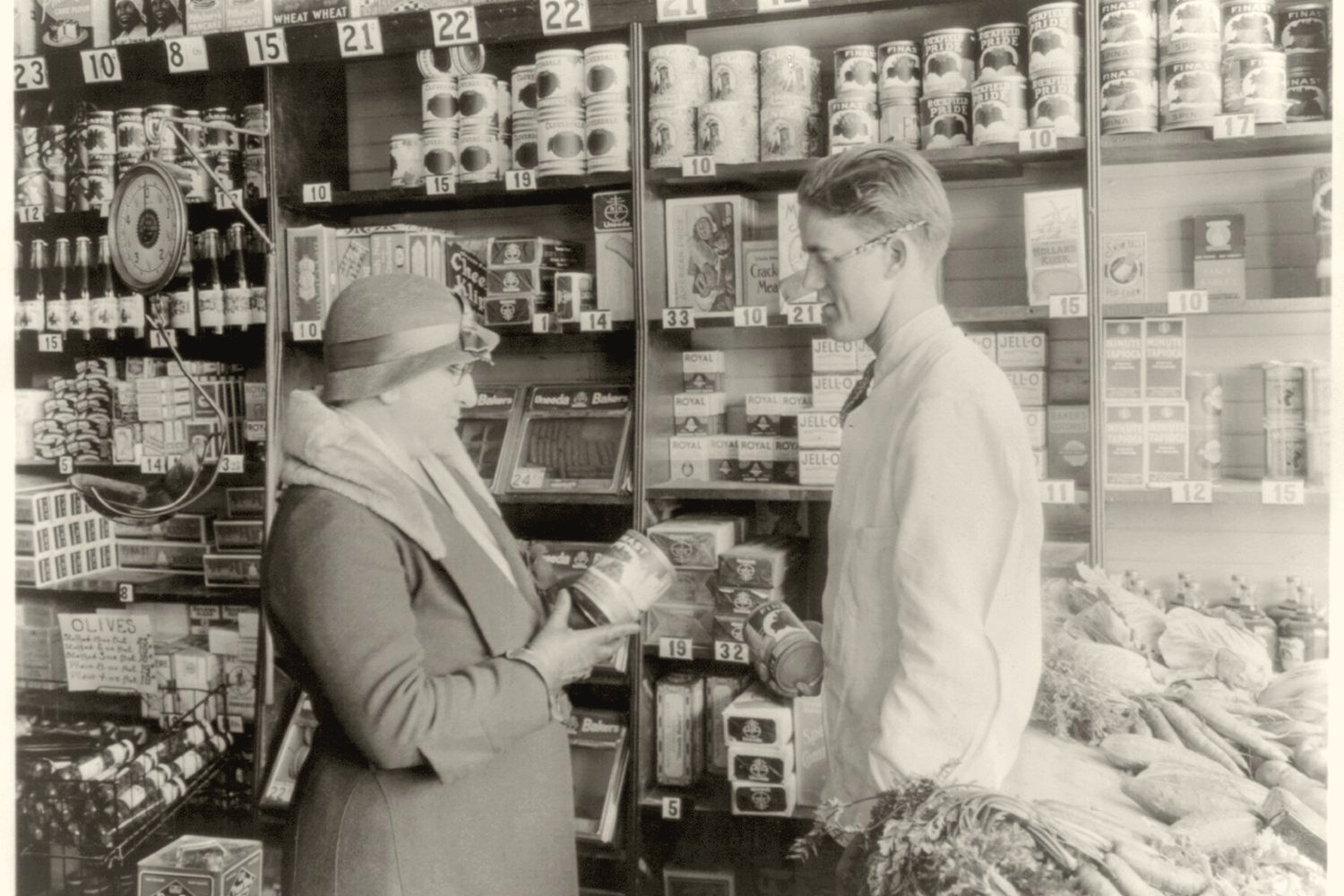
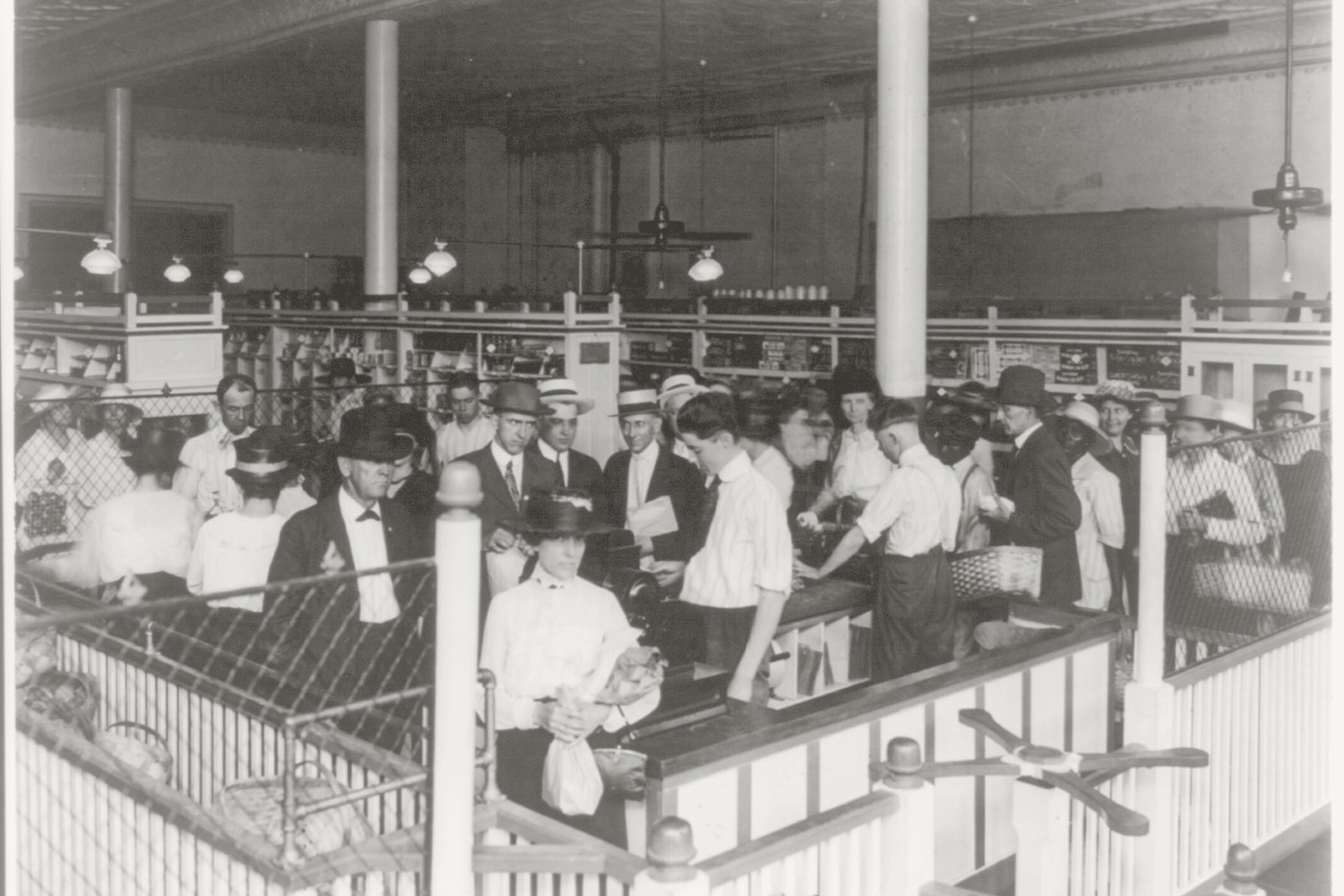
Until 1916, a clerk fetched everything you bought at the grocery. A Memphis store broke the rule: it handed customers a basket and let them choose. By 1926, Americans loved it.

Clerk fetches it → you pick it
Gold & Markets

The 1926 Dollar Bill That Didn't Fit Your Wallet

In 1926, the bills in American wallets were much bigger than today: 7.375 inches long. Three years later the country shrank its money, and that size has lasted ever since.

1926 bills were about 20% bigger
Patents & Inventions

An Invention Learned From Ice Fishing: Frozen Food

In the bitter cold of Labrador, an American watched Inuit fishermen. Fish pulled into air at 40 below froze instantly — and tasted fresh months later. In 1926 he was working to recreate that secret in a factory.

Ice fishing at −40° → frozen food
Main Street Wallet

The Machine That Gave Women Back Their Mondays

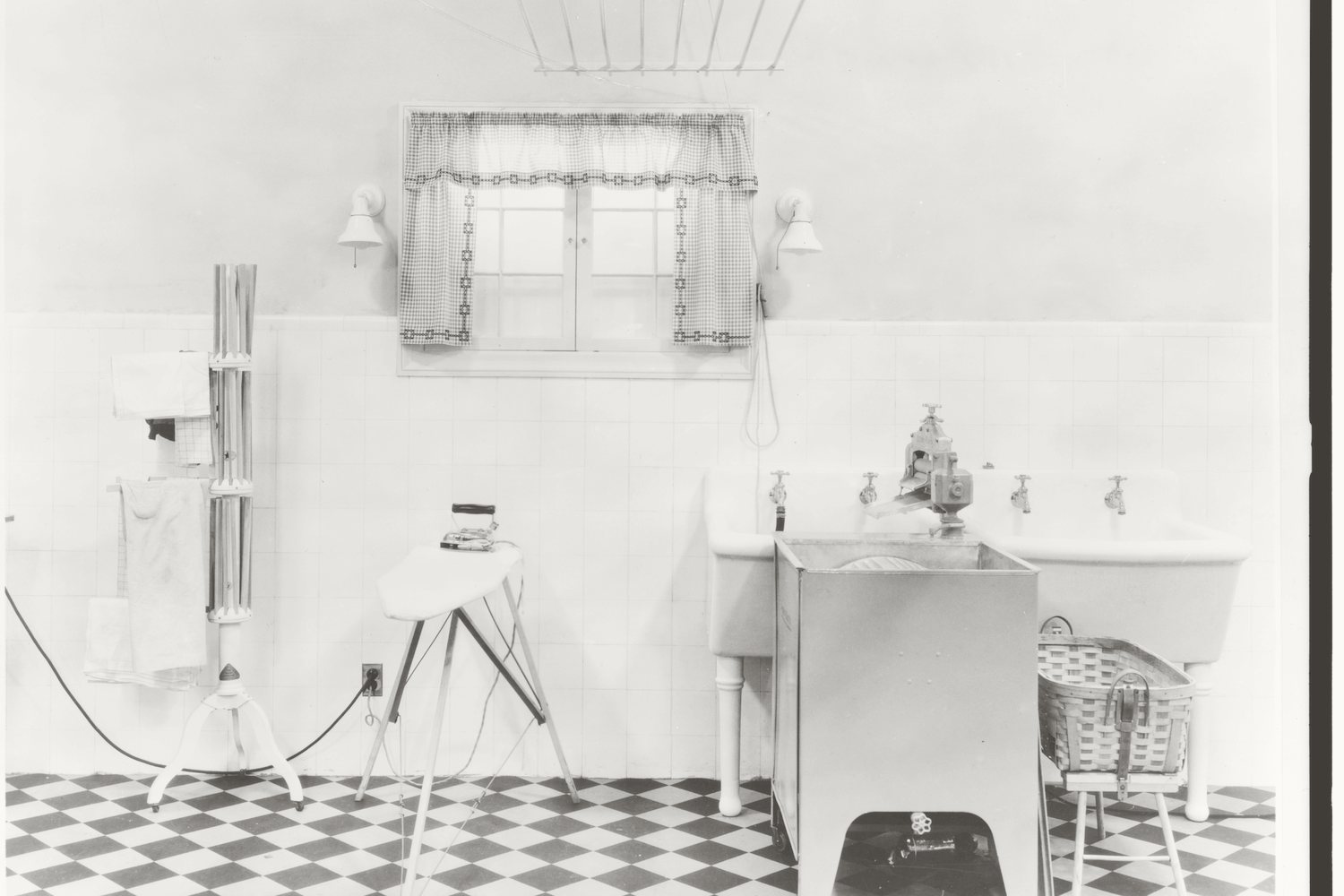
For American women in 1926, Monday was wash day — all day. Haul and heat the water, scrub on the washboard, wring, hang. That year, the washing machines spreading into American homes began to return their greatest gift: time.

Women get their Mondays back