Monday, November 23, 2026100 years ago today: Tuesday, November 23, 1926

The Good News of 100 Years Ago

Money · Gold · Oil · Patents
Gold, 1 oz (1926)$20.67Eggs, a dozen48.5¢Milk, a quart14¢Ford Model T Runabout$360Route 662,448 mi$1 in 1926 = today≈ $19Gold today, 1 oz$4,043
Front Page › Gold & Markets
Gold & Markets

From London to New York: The Year the World's Lender Changed

On November 9, 1926, the front page reported that Americans would lend well over $1 billion to foreign borrowers that year. The world's bank was moving from London to New York.
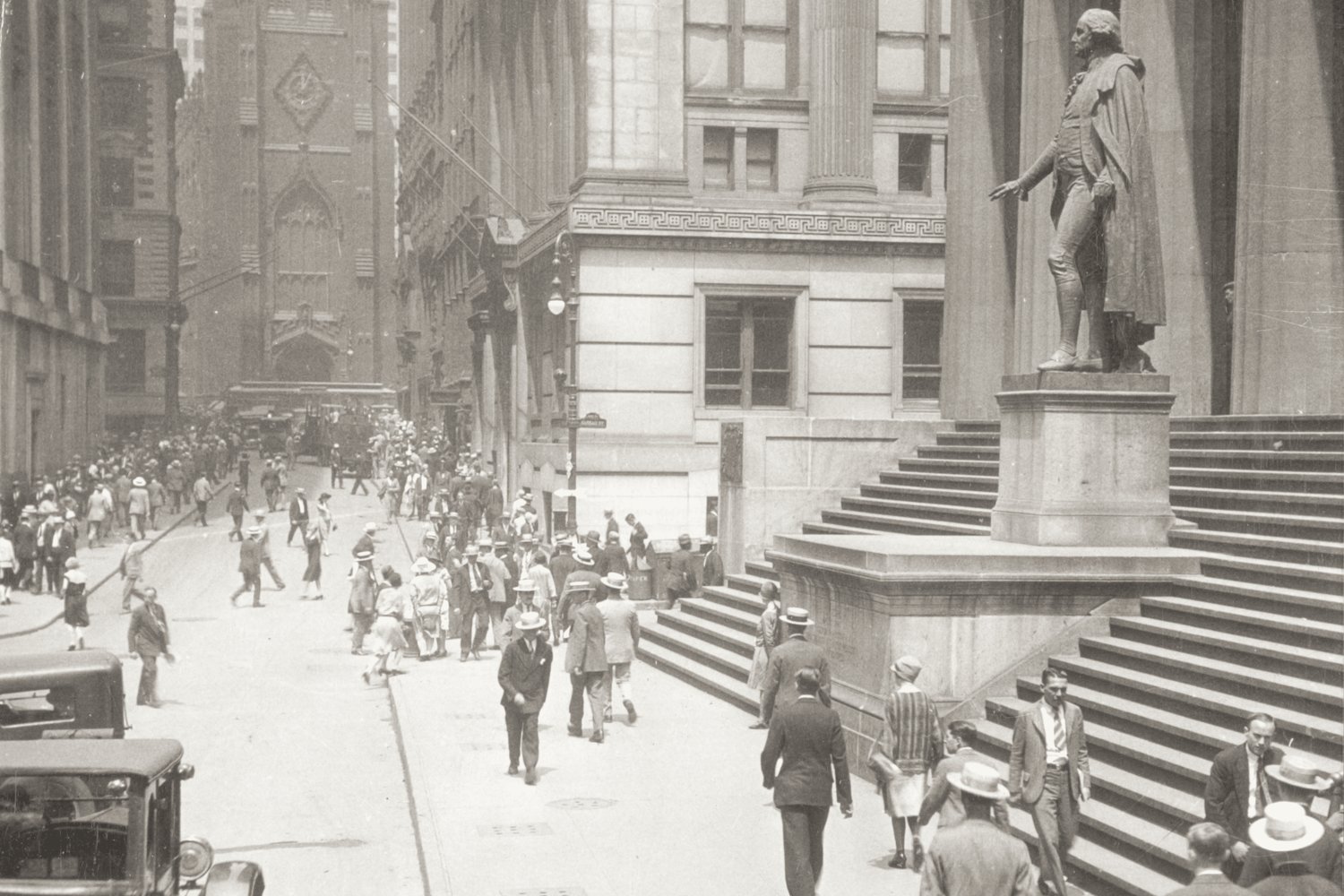
A crowded Wall Street in New York in the 1920s
Wall Street in the 1920s. On Nov. 9, 1926, bankers estimated that Americans would lend more than $1 billion abroad that year. Keystone View Co. / Library of Congress
Lent abroad in 1926 (estimate)Over $1 billion
Total U.S. loans abroadOver $10 billion

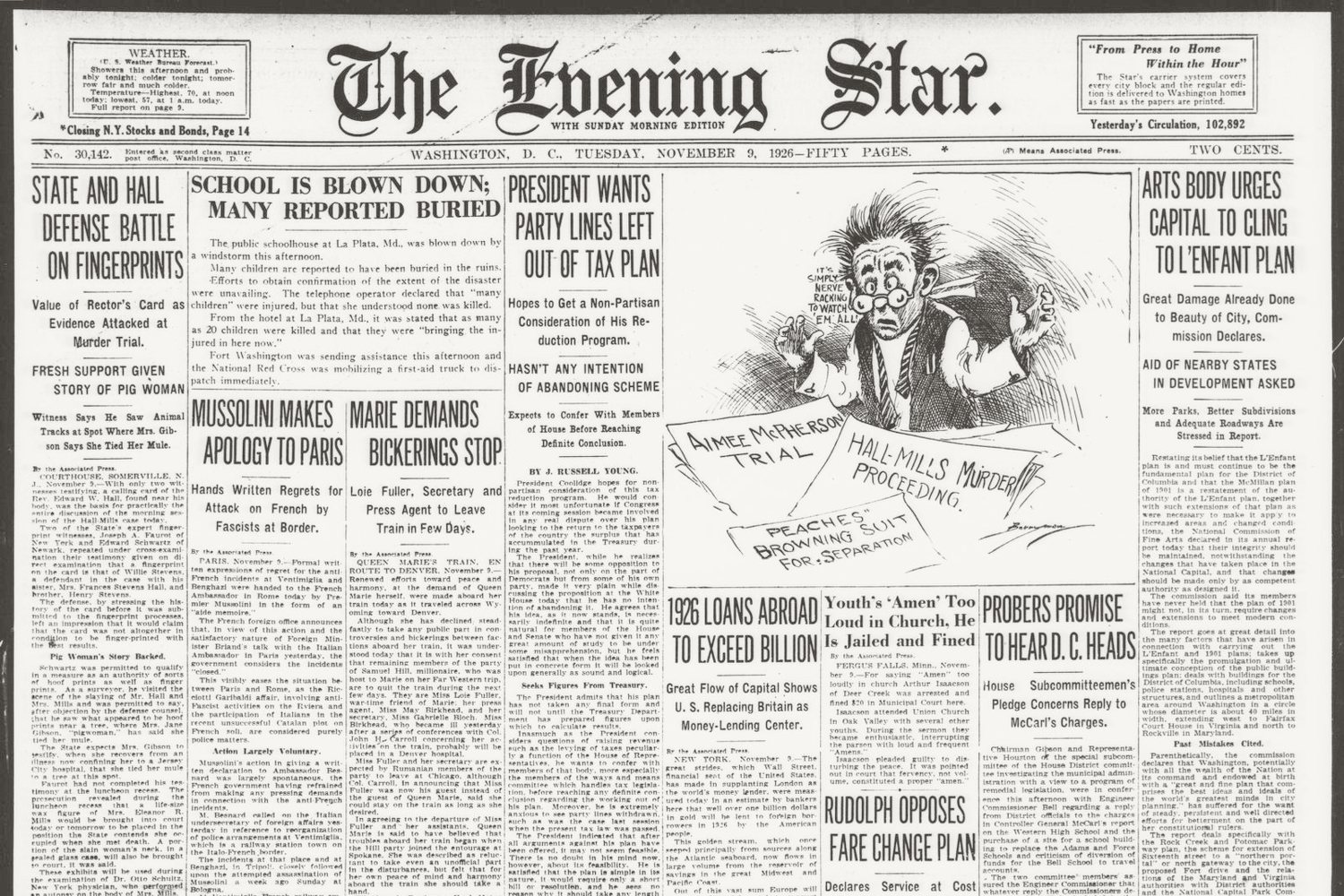
That day's Evening Star front page carried an Associated Press story from New York. Bankers there estimated that "well over one billion dollars" would be lent to foreign borrowers by the American people in 1926. Wall Street, the story said, was replacing London as the world's money lender.

American loans to the world now exceeded $10 billion, the story reported, and nearly $4 billion had gone out in the last three years. Once the money came mainly from the Atlantic seaboard; now it flowed from the savings of the Midwest and the Pacific Coast too.

A crutch after the war

With this money, the story said, Europe would "fashion a financial crutch" to finish rebuilding after the World War. France was expected to borrow large sums early the next year to steady its currency. Bankers said that lending abroad was giving Americans "the international mind."

On the front page

  • 1926 loans abroad (estimate): over $1 billion
  • Total U.S. loans abroad: over $10 billion
  • Last three years: nearly $4 billion
  • The shift: London → Wall Street
  • Next borrower: France (expected early 1927)

100 years later

The 1926 paper caught the moment the center of world finance crossed the ocean. Lending can bind people and nations together — and can weigh on them, too. This is history, not investment advice.

The lesson, 100 years laterLending money is lending trust. In 1926, American savings helped a war-torn Europe stand up again. Money that lifts others up ends up connecting the world.

Sources

  1. Evening Star, Nov. 9, 1926, page 1: "1926 Loans Abroad to Exceed Billion" (AP, New York)
  2. Library of Congress: Wall Street (1920s)

Dollar conversions use the U.S. Bureau of Labor Statistics CPI-U (1926 annual average 17.7; September 2026: 336.94), a factor of about 19.

More from this edition

The Day's Economy

Ford: "The Five-Day Week Is Business, Not Charity"

On November 9, 1926, the front page carried an interview with Henry Ford. Giving workers their Saturdays back, he said, was not a good deed but a calculated business decision.

"A cold business proposition, not philanthropy"
Oil & Industry

Packages by Air: The Air Express Contract

On November 9, 1926, the paper reported a contract to carry packages by airplane. It compared the plan to the pony express of the pioneer days.

"A pony express in the sky": New York–Dallas
Patents & Inventions

Two Comets Found on the Same Night

On November 9, 1926, the paper reported two new comets, invisible to the naked eye. Astronomers in Barcelona and in Crimea had spotted them on the same date.

Two new comets, telescope only
Main Street Wallet

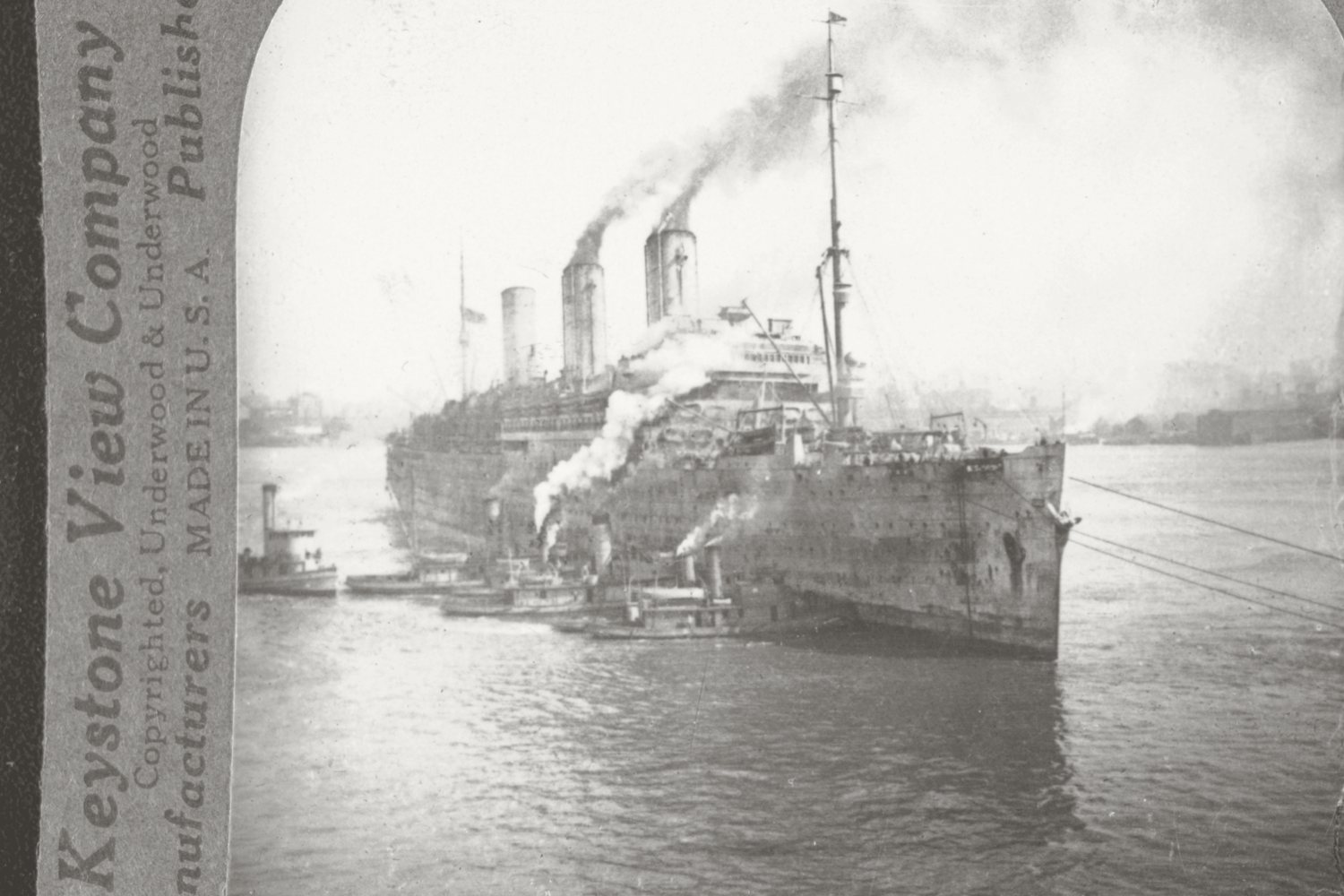
A First Lesson at Sea: The Film 825 Immigrants Watched

On November 9, 1926, the paper reported on a liner that had come into New York the day before. Before stepping ashore, 825 immigrants from 30 countries watched a film about their new country together.

825 immigrants from 30 countries