A $2.50 Gold Coin for $4: The Souvenir of America's 150th Birthday
Visitors to Philadelphia's big 1926 fair could buy a small gold coin made for the nation's 150th birthday. Most people passed. The gold inside one is now worth about $489.
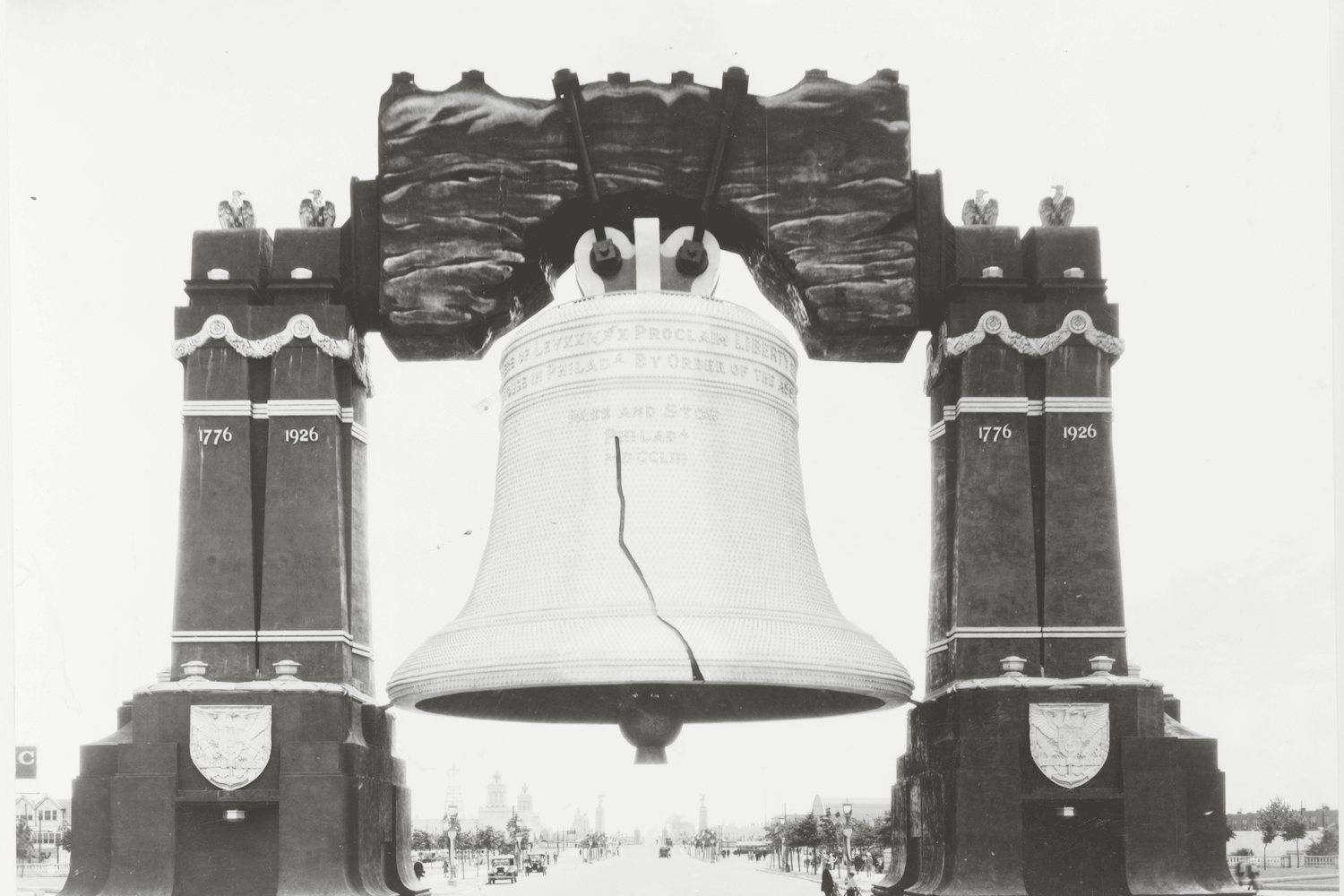
In November 1926, Philadelphia's Sesquicentennial International Exposition — the world's fair for America's 150th birthday — was in its final weeks. Among the souvenirs on sale was something you could not buy anywhere else: a brand-new gold coin.
Congress had authorized a special $2.50 gold piece, called a quarter eagle, for the celebration. The designer, John R. Sinnock of the U.S. Mint, put Liberty on the front, standing on a globe with a torch in one hand and a scroll in the other, between the dates 1776 and 1926. On the back he placed Independence Hall.
A coin that sold for more than its face
The coin was worth $2.50 as money, but it was sold as a keepsake for $4, at the fair and through a Philadelphia bank. Each one held about 3.76 grams of pure gold — roughly an eighth of an ounce. At the 1926 price of $20.67 an ounce, that was about $2.50 worth of gold, exactly what the face said.
The Mint struck about 200,000 of them. But a $4 souvenir was a real expense in 1926, and sales were slow. Only about 46,000 found buyers. The rest were sent back to the Mint and melted down.
Then and now
- Face value: $2.50
- Price at the fair: $4 (about $76 in today's money)
- Gold inside: about 3.76 grams, or 0.12 troy ounce
- Value of that gold at $4,043 an ounce (Oct. 27, 2026): about $489
- Coins sold: about 46,000 of some 200,000 struck
Why the gold grew so much
In 1926 the price of gold was fixed by law, so the gold in the coin and its face value matched. Once that link was broken in the 1930s and later cut entirely in 1971, gold found its own price. The same eighth of an ounce that matched $2.50 in 1926 now sells for many times more — and collectors pay well above that for coins in fine condition.
Sources
- CoinCommunity: Sesquicentennial of American Independence quarter eagle — history, design, mintage
- CoinWeek: 1926 American Independence Sesquicentennial quarter eagle
- Gold price on October 27, 2026 (PriceGold.net)
- Library of Congress: Liberty Bell arch, Sesqui-Centennial Exposition, 1926
Dollar conversions use the U.S. Bureau of Labor Statistics CPI-U (1926 annual average 17.7; September 2026: 336.94), a factor of about 19.