The Customers Decided: How Kleenex Found Its Real Job
When Kleenex arrived in 1924, it was sold for wiping off cold cream. But customers were blowing their noses with it. The company listened, changed its ads, and tissue became one of the most ordinary things in every home.
Kleenex began in war. During the First World War, the Wisconsin company Kimberly-Clark made a soft crepe material called Cellucotton for gas-mask filters. When the war ended, it had plenty left over.
On June 12, 1924, the company introduced a new product made from it: Kleenex, advertised as a "marvelous new way to remove cold cream." Women of the 1920s took off makeup with cold cream, and here was something to use once and throw away, instead of a towel.
The use customers found
But people were using it for something else: when they caught a cold, they blew their noses into Kleenex instead of a cloth handkerchief. In 1927 the company suggested a new use — "absorbent kerchiefs" — and in the 1930s letters from customers poured in. The ads changed: "The handkerchiefs you can throw away."
The Kleenex story
- Origin of the material: WWI gas-mask filters
- Launched: June 12, 1924, as a cold-cream remover
- 1927: new use proposed, "absorbent kerchiefs"
- 1930s: "The handkerchiefs you can throw away" — nose-blowing becomes the main use
The next time you pull a tissue during a cold, remember: it wasn't the company that decided what it was for. It was the customers of a hundred years ago.
Sources
- Kleenex official history (June 12, 1924 launch, cold-cream remover, 1927 kerchiefs, 1930s customer letters and slogan)
- Kleenex (Wikipedia: WWI Cellucotton gas-mask filters)
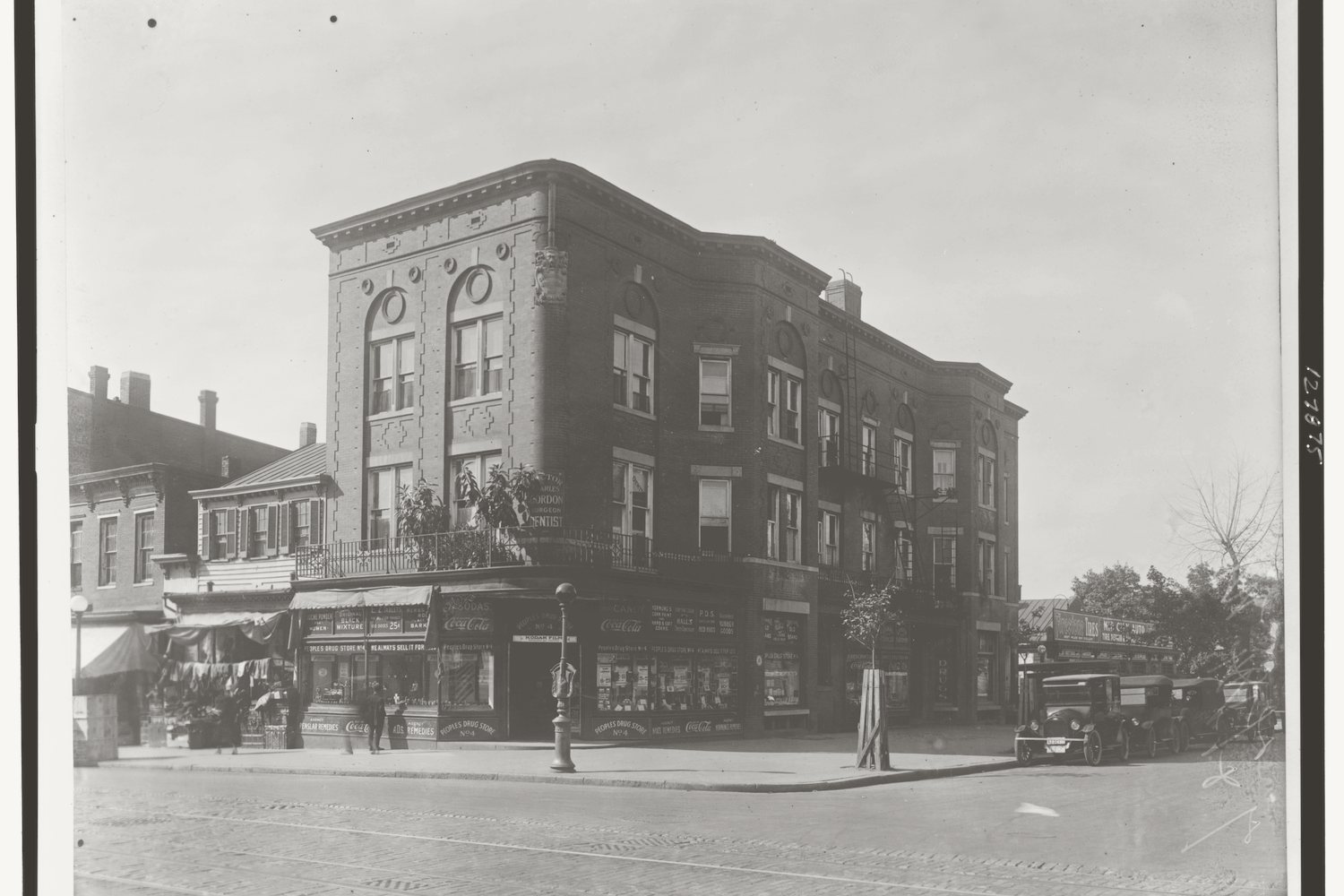
- Library of Congress: People's Drug Store No. 4 (about 1920)
Dollar conversions use the U.S. Bureau of Labor Statistics CPI-U (1926 annual average 17.7; September 2026: 336.94), a factor of about 19.