The Nickel Coke: The Price That Didn't Move for 73 Years
In 1926, a Coca-Cola cost five cents. It had cost five cents in 1886, and it would still cost five cents in 1959. Here is how one small price stood still while the world changed around it.
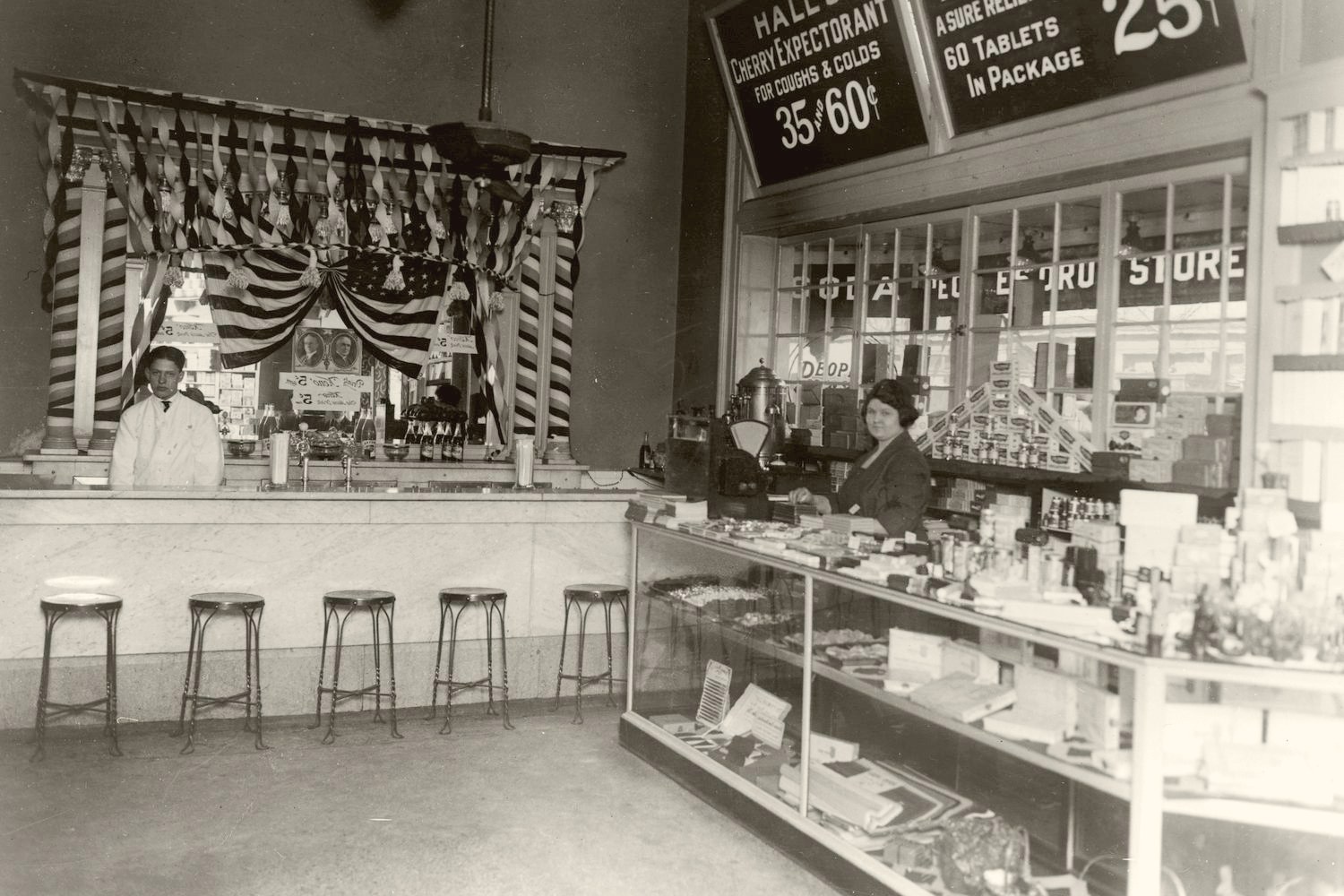
Walk up to a drugstore soda fountain in 1926, put a nickel on the counter, and you got a Coca-Cola. Nothing unusual about that — except that your parents had paid a nickel too, and so would your children.
Economists Daniel Levy and Andrew Young studied this in a 2004 paper titled "The Real Thing." Their finding: the price of a 6.5-ounce Coke was 5 cents from 1886 until 1959. Through a world war, the Roaring Twenties, the Great Depression and another world war, the nickel Coke held.
Why the price stood still
Part of the answer was in people's pockets. A nickel was a single coin. Raising the price by a penny or two would have meant handling more coins and making change. The next easy single-coin price was a dime — doubling the price — and that was too big a jump. Later, thousands of coin-operated vending machines were built to take only nickels, which made changing the price even harder.
The nickel Coke
- Price of a 6.5-oz Coke: 5¢
- Years at that price: 1886–1959, about 73 years
- 5¢ in 1926 money: about 95¢ today
- Why it held: single-coin price, an unusual company contract, and nickel-only vending machines
A small luxury for everyone
For a 1926 worker, a nickel was a small treat that almost anyone could afford. That steady, simple price helped make Coca-Cola one of the most familiar products in America — something you could count on, at the same price, almost anywhere.
Sources
- Daniel Levy and Andrew Young, "The Real Thing: Nominal Price Rigidity of the Nickel Coke, 1886–1959," Journal of Money, Credit and Banking (2004)
- Improbable Research: The epic endurance of nickel-a-bottle Coca-Cola
- Library of Congress: People's Drug Store soda fountain, Washington, D.C.
Dollar conversions use the U.S. Bureau of Labor Statistics CPI-U (1926 annual average 17.7; September 2026: 336.94), a factor of about 19.