The Hottest Gadget of 1926 Was a Box That Talked
In the fall of 1926, Americans were buying radios as fast as factories could build them. A brand-new network was about to go on the air, and a whole new business was being born.
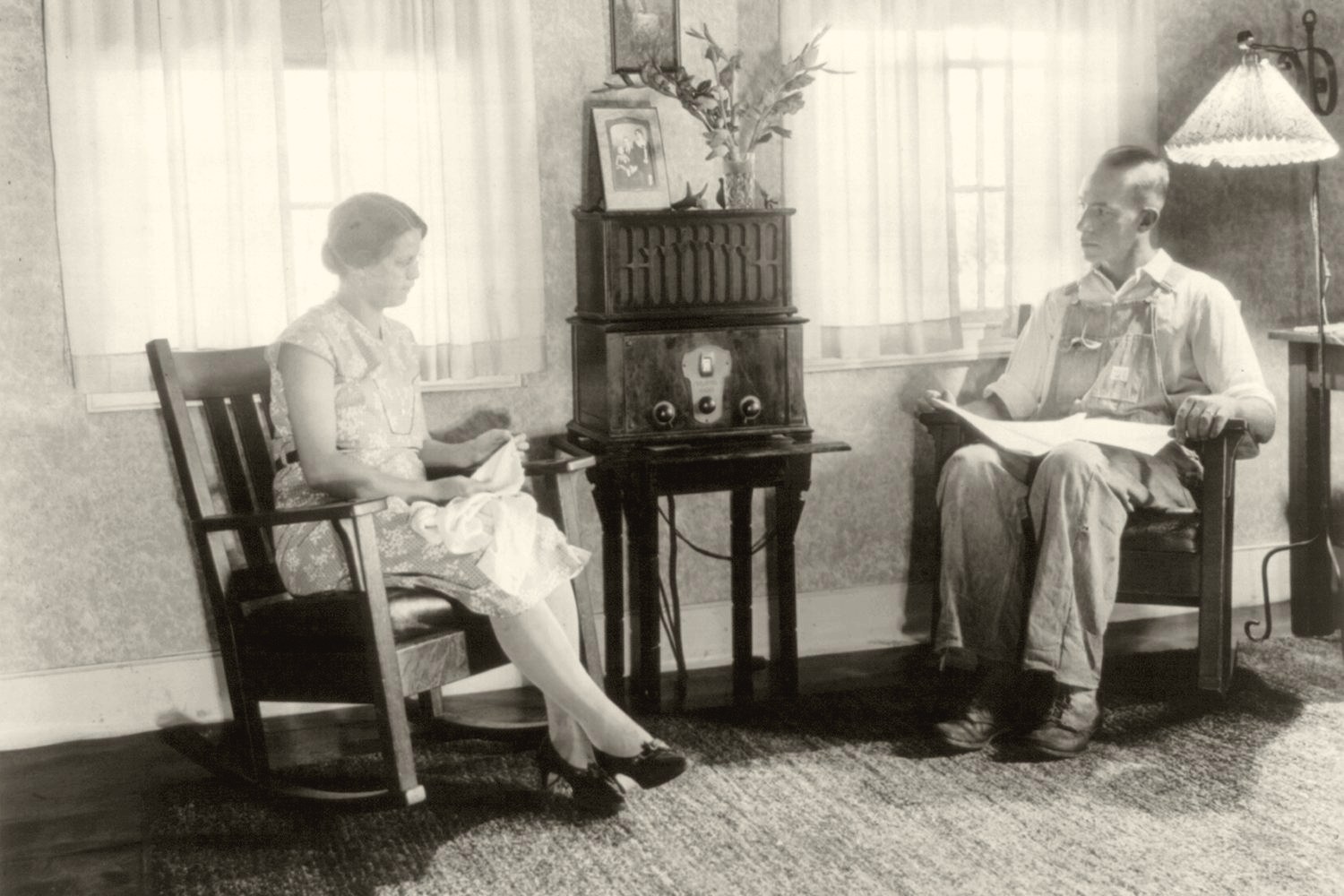
On the morning of November 3, 1926, millions of Americans had heard the election results the night before without waiting for a newspaper. They had heard them on the radio.
Six years earlier, radio broadcasting barely existed. By the middle of the decade it was the must-have gadget of the age — the thing every family wanted in the living room, in the way people later wanted a television, and later still a smartphone.
How fast it grew
According to RCA, about 19 percent of American homes owned a radio in 1925. By 1930 the share had passed 40 percent. A decent set could be bought for about $35 in the mid-1920s, while the finest cabinet models sold for as much as $350. By the end of the decade more than five million battery-powered radios had been sold.
Radio by the numbers
- Homes with a radio, 1925: about 19%
- Homes with a radio, 1930: about 40%
- A decent set, mid-1920s: about $35 — roughly $670 today
- A top cabinet model: up to $350 — roughly $6,700 today
A network is born
The biggest radio news of 1926 was happening behind the scenes. In July, an RCA-led group bought AT&T's broadcasting operations, and used them to form a new company: the National Broadcasting Company. On November 15, 1926 — less than two weeks after this election — NBC would make its first network broadcast, linking stations in different cities so they could share the same programs.
That was the start of a new kind of business. Programs needed sponsors; sponsors needed listeners; and listeners kept buying radios. Advertising, entertainment and electronics began feeding one another in a cycle that still powers much of the media world today.
For a family on a farm, the change was even simpler. Weather reports, crop prices, music and news now came into the house for free, every day, through a box on the table.
Sources
- Golden Age of Radio (Wikipedia: RCA household figures; NBC's founding)
- Encyclopedia.com: 1920s TV and Radio (radio prices and sales)
- Library of Congress: farm families listening to radio (USDA Extension Service photo)
Dollar conversions use the U.S. Bureau of Labor Statistics CPI-U (1926 annual average 17.7; September 2026: 336.94), a factor of about 19.