Your Subscription Box Is 100 Years Old: The Book That Came in the Mail
In 1926, three New York ad men had an idea: pick one good book a month and mail it to readers’ homes. Readers loved it, and a whole way of doing business was born.
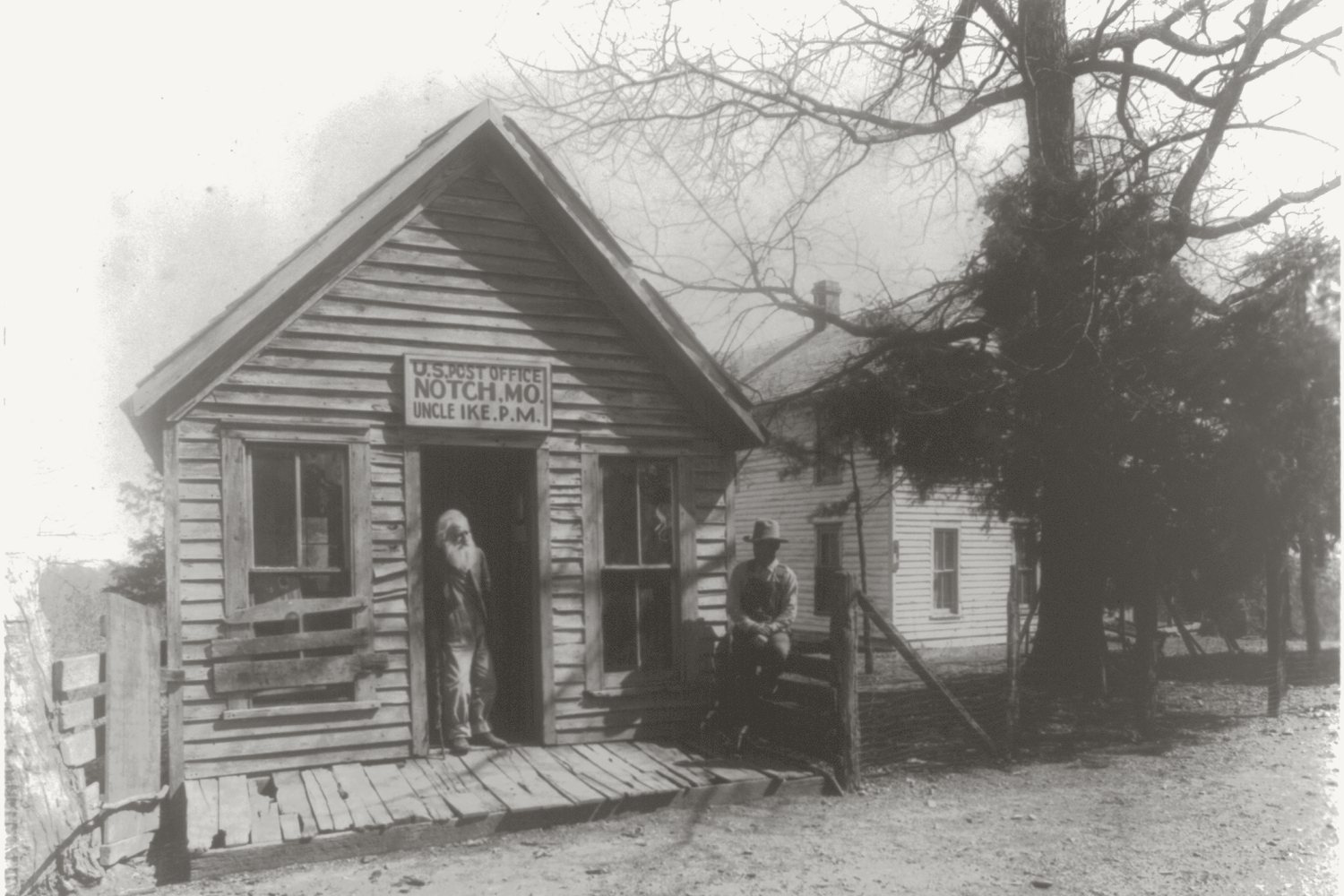
In 1926, most Americans did not live near a bookstore. A farmer in Missouri or a schoolteacher in Kansas might hear about a new novel and never find a copy. Harry Scherman, a New York advertising man, thought the mailman could fix that.
That year, Scherman, Max Sackheim and Robert Haas started the Book-of-the-Month Club. A panel of judges chose one book each month. Members got a notice in the mail with the Main Selection and a few alternates. If they did nothing, the Main Selection arrived at their door. If they wanted something else, they sent back a reply card.
A small start
The club began with about 4,000 subscribers. Its first choice was a quiet English novel, Lolly Willowes by Sylvia Townsend Warner. Within twenty years the club had more than 550,000 members, and its picks could turn an unknown author into a household name.
The club by the numbers
- Founded: 1926, in New York
- Founders: Harry Scherman, Max Sackheim and Robert Haas
- Members at the start: about 4,000
- Members within 20 years: more than 550,000
- The trick: a book arrives unless you say "no"
Why it still matters
The club's simple rule — the product comes every month unless you say no — is the same idea behind today's streaming services, meal kits and subscription boxes. Business people call it a subscription model. In 1926 it was just a way to get a good book to someone who lived far from town.
Sources
- Book of the Month (Wikipedia: founders, negative-option system, first selection, membership)
- Encyclopedia.com: Book-of-the-Month Club, Inc.
- Library of Congress: Uncle Ike watching for the mail, at Notch, Mo. (1926)
Dollar conversions use the U.S. Bureau of Labor Statistics CPI-U (1926 annual average 17.7; September 2026: 336.94), a factor of about 19.