The Machine That Gave Women Back Their Mondays
For American women in 1926, Monday was wash day — all day. Haul and heat the water, scrub on the washboard, wring, hang. That year, the washing machines spreading into American homes began to return their greatest gift: time.
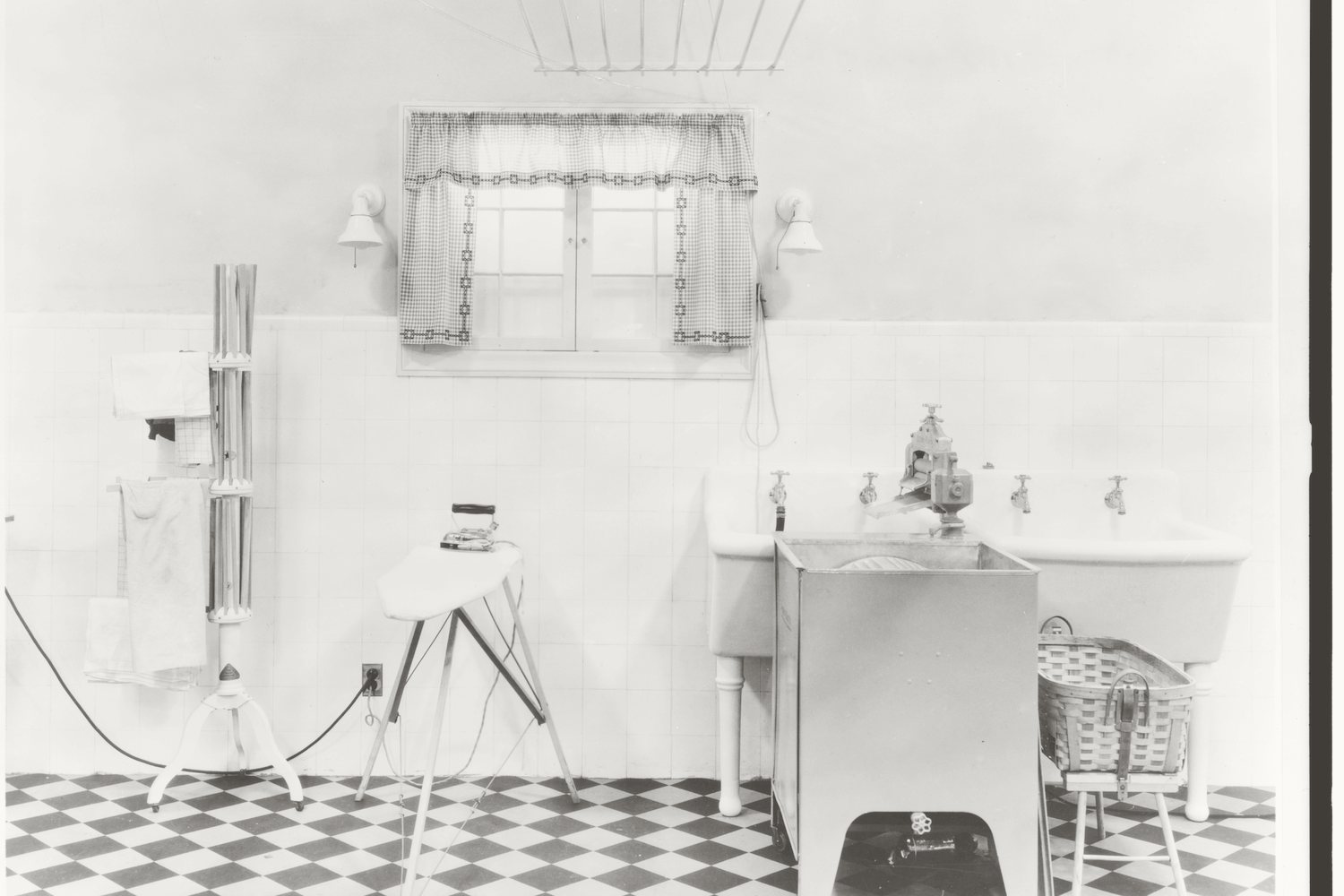
In the 1920s, Americans said "Monday is wash day." The weekend's laundry took all of Monday: carry water and heat it, scrub on a washboard, wring by hand, hang it on the line. It was exhausting.
Maytag of Newton, Iowa, started out making farm machinery. In 1922 it introduced the Gyrofoam washer. Other machines rubbed clothes clean; the Gyrofoam put the agitator at the bottom of the tub and cleaned with the motion of the water alone. Clothes wore less and came out cleaner.
From 38th to first
The Gyrofoam sold like wildfire. Maytag went from the 38th-largest washing machine maker in America to the first. The company was listed on the New York Stock Exchange in 1925 and had built a million washers by 1927.
The Maytag Gyrofoam
- Introduced: 1922, Newton, Iowa
- New idea: agitator at the bottom, washing with water action instead of friction
- Industry rank: 38th → 1st
- New York Stock Exchange listing: 1925
- Washers built: 1 million by 1927
An innovation that changed women's days
In homes with a washing machine, Monday changed. Laundry that ate the whole day shrank to a few hours. Work that strained arms and backs became the machine's job. With that time, women spent more hours with their children, read, learned, and began going out to work.
If the automobile widened people's roads, the washing machine widened women's days. The washer you start with one button today is the grandchild of the machine that gave women back their Mondays a century ago.
Sources
- FundingUniverse: Maytag Corporation History (1922 Gyrofoam, bottom agitator, 38th to 1st, 1925 listing, a million by 1927)
- Iowa Public Radio: How We Made the Gyrafoam (Newton, "washday Mondays")
- Library of Congress: laundry room in a model home (about 1924)
Dollar conversions use the U.S. Bureau of Labor Statistics CPI-U (1926 annual average 17.7; September 2026: 336.94), a factor of about 19.