Monday, November 23, 2026100 years ago today: Tuesday, November 23, 1926

The Good News of 100 Years Ago

Money · Gold · Oil · Patents
Gold, 1 oz (1926)$20.67Eggs, a dozen48.5¢Milk, a quart14¢Ford Model T Runabout$360Route 662,448 mi$1 in 1926 = today≈ $19Gold today, 1 oz$4,043
Front Page › Patents & Inventions
Patents & Inventions

The Drink Left on the Porch: How the Popsicle Was Born

One cold night in 1905, an 11-year-old boy left his drink outside. In the morning it was frozen solid around the stirring stick. He licked it — and twenty years later he patented his mistake.
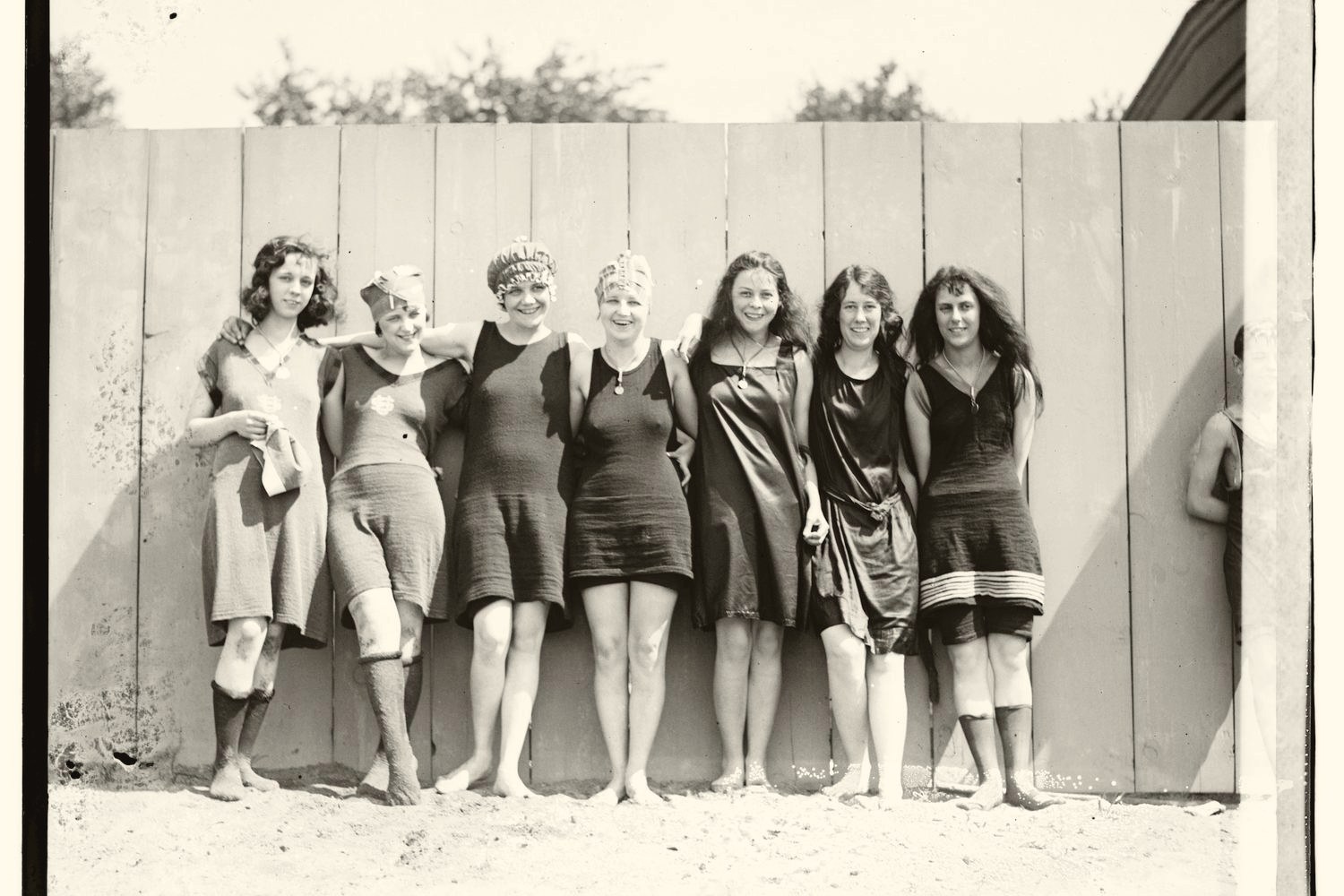
Young women in bathing suits stand smiling in a row against a wooden fence
The public bathing beach in Washington, D.C., 1920. In the summers of the 1920s, frozen treats on a stick cooled people down. National Photo Co. / Library of Congress
Age of the inventor11
Sold each year today≈ 2 billion

In 1905, an 11-year-old in the San Francisco Bay Area named Frank Epperson mixed sugary soda powder with water and stirred it with a stick. Then he forgot the cup outside.

It was an unusually cold night. In the morning the drink had frozen around the stick. He held the stick and licked the ice. It was delicious. He combined his name with "icicle," called it the "Epsicle," and sold it around the neighborhood.

A name from his children

Epperson grew up and became a father, and his children begged him to call their dad's treat something else. It became the Popsicle. In 1924 he applied for a patent on his frozen confection. But short of money, he sold the rights to the Joe Lowe Company in the 1920s. "I was flat and had to liquidate all my assets," he said later.

The Popsicle

  • Accidental invention: 1905, Frank Epperson (age 11)
  • First name: Epsicle
  • Patent application: 1924
  • Great Depression: a two-stick version for 5¢, so two children could share
  • Today: about 2 billion sold each year

During the Depression, the company sold a Popsicle with two sticks for a nickel, so two children could split one. Today about 2 billion Popsicles are sold every year.

The lesson, 100 years laterLook closely, and even a mistake can become an invention. Epperson didn’t throw away the forgotten cup; he tasted it. When things don’t go as planned, the curiosity to ask "what is this?" is where new things begin.

Sources

  1. NPR: How an 11-year-old boy invented the Popsicle (1905, Epsicle, name from his children, 1924 patent, Joe Lowe Co., two-stick 5¢, 2 billion a year)
  2. Library of Congress: bathing beach, Washington, D.C. (1920)

Dollar conversions use the U.S. Bureau of Labor Statistics CPI-U (1926 annual average 17.7; September 2026: 336.94), a factor of about 19.
More from this edition

The Day's Economy

The Customers Decided: How Kleenex Found Its Real Job

When Kleenex arrived in 1924, it was sold for wiping off cold cream. But customers were blowing their noses with it. The company listened, changed its ads, and tissue became one of the most ordinary things in every home.

Makeup remover → nose tissue
Gold & Markets

When the Neighborhood Post Office Was a Bank

In 1926, people who didn’t trust banks — or lived far from one — saved at the post office. The government stood behind it, it paid 2 percent a year, and you could start with 10-cent stamps.

Savings at the post office: 2% a year
Oil & Industry

Goodbye, Iceman: The Year the Electric Refrigerator Came

In 1926 most American kitchens had an icebox, and the iceman came every few days. But that year the number of homes with an electric refrigerator reached 248,000. The kitchen was starting to change.

Homes with a fridge: 4,000 (1920) → 248,000 (1926)
Main Street Wallet

The Catalog Store Comes to Town: Sears

For decades, rural Americans flipped through the thick Sears catalog and ordered by mail. Then in 1925, Sears opened its first real store — because the car was starting to bring customers to town.

Mail-order catalog → neighborhood store