An Invention Learned From Ice Fishing: Frozen Food
In the bitter cold of Labrador, an American watched Inuit fishermen. Fish pulled into air at 40 below froze instantly — and tasted fresh months later. In 1926 he was working to recreate that secret in a factory.
Between 1912 and 1915, Clarence Birdseye spent time in Labrador, Canada. The Inuit there fished through holes in the ice, and in the −40° air the fish froze solid almost the moment they came out. Thawed months later, they still tasted fresh.
Birdseye worked out why. Slow freezing grows large ice crystals that damage food cells, so the food turns mushy when thawed. Very fast freezing makes tiny crystals and keeps the taste and texture alive.
Bankruptcy, then again
In 1922 he started a company freezing fish with chilled air, but no one bought, and it went bankrupt in 1924. He didn't quit. That same year he formed a new company that froze packaged fish pressed between refrigerated surfaces. In 1925 it moved to the port of Gloucester, Massachusetts, using a freezer that carried fish between steel belts chilled with cold brine (U.S. Patent 1,773,079).
The road to frozen food
- Learned in Labrador: 1912–1915
- First company: founded 1922, bankrupt 1924
- New company: 1924; moved to Gloucester in 1925
- Sold company and patents: 1929, for $22 million
- First frozen foods in stores: March 6, 1930, Springfield, Mass., 27 items
In 1929 he sold his company and patents for $22 million. On March 6, 1930, in Springfield, Massachusetts, Americans could buy frozen vegetables, fruit, fish and meat in stores for the first time. Every time you open the freezer, a little of that Labrador ice fishing opens with it.
Sources
- Clarence Birdseye (Wikipedia: Labrador, −40°, 1922 company and 1924 bankruptcy, Gloucester, Patent 1,773,079, $22 million in 1929)
- Mass Moments: March 6, 1930, first frozen foods on sale in Springfield (27 items)
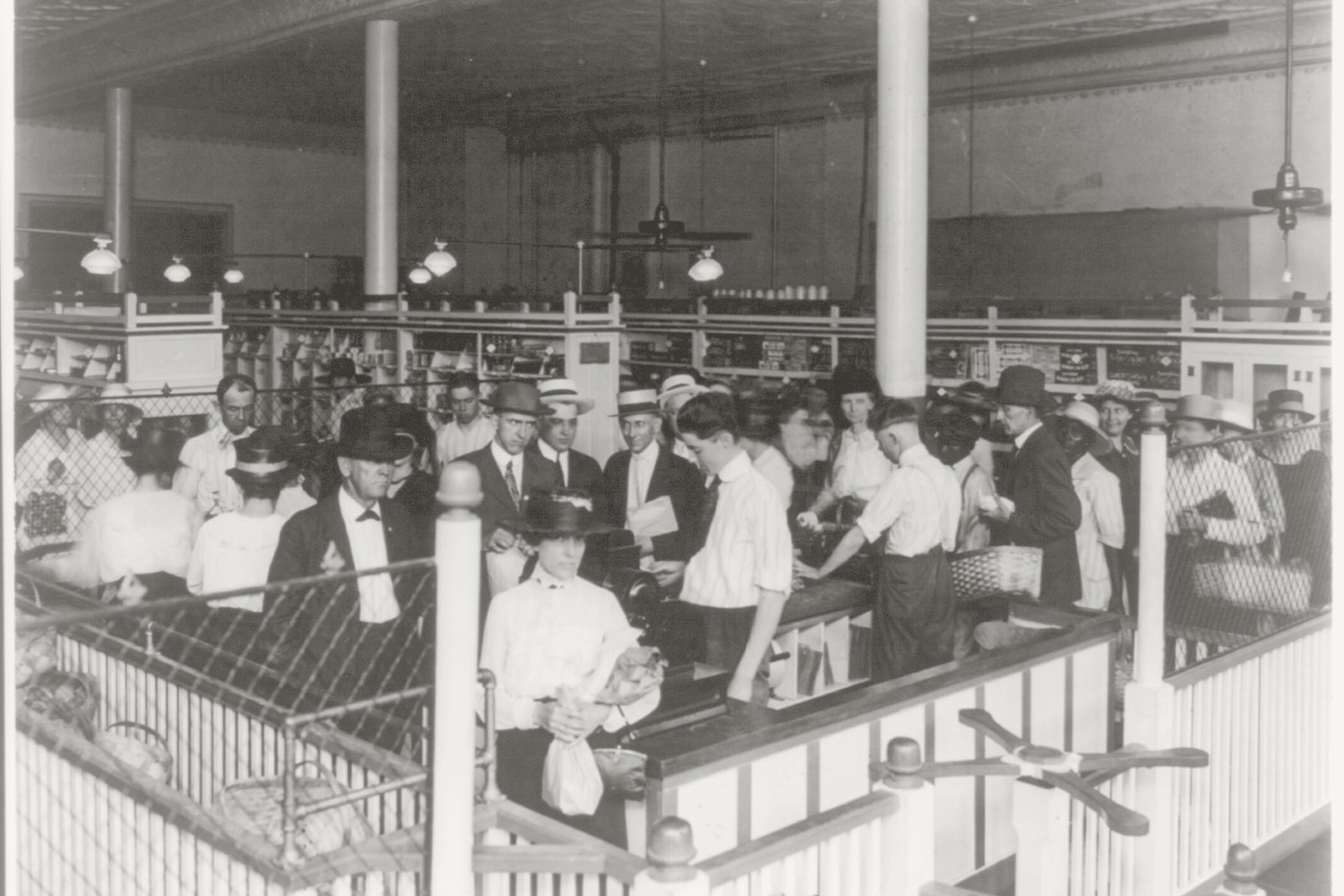
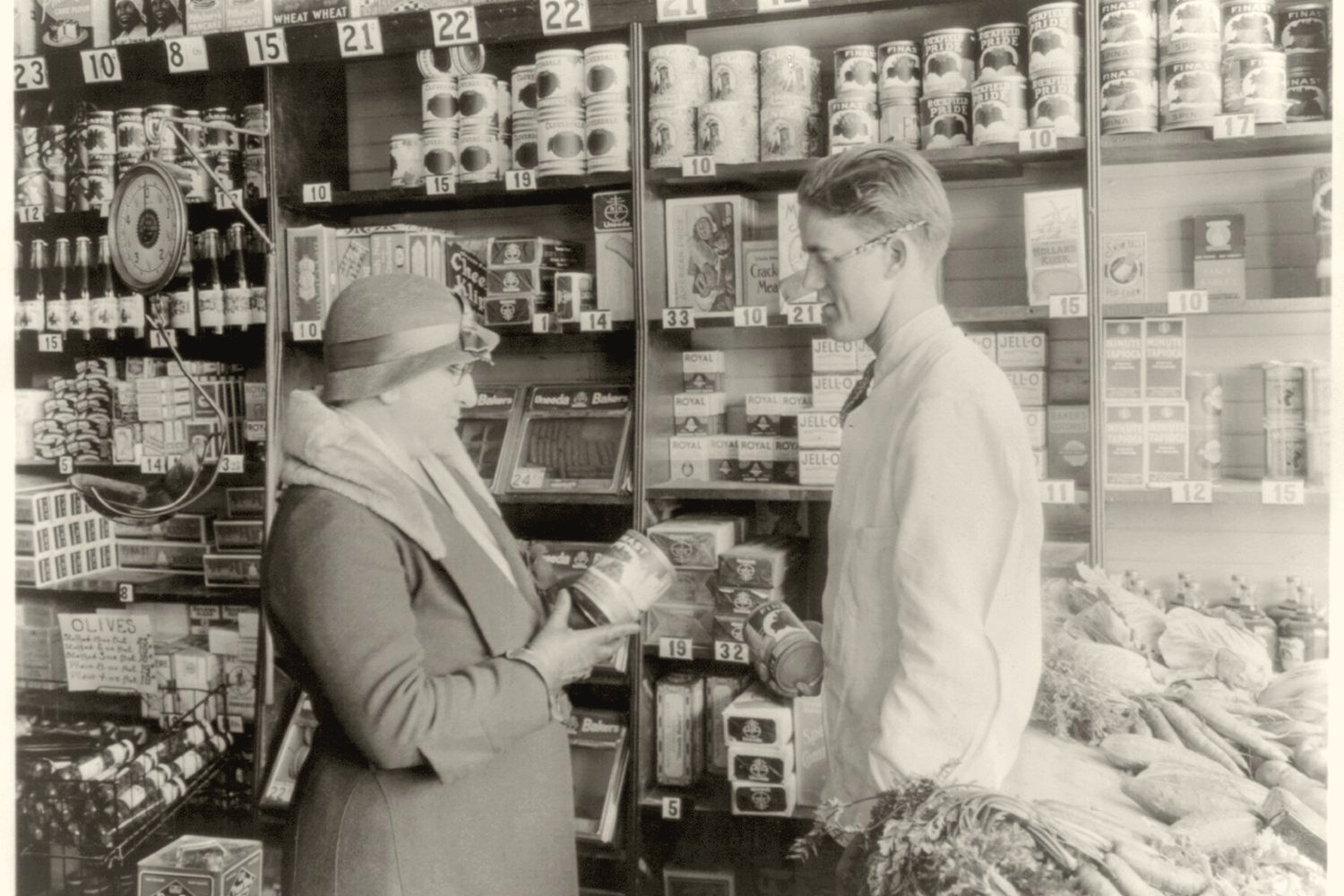
- Library of Congress: customer and storekeeper in a grocery (1925–1930)
Dollar conversions use the U.S. Bureau of Labor Statistics CPI-U (1926 annual average 17.7; September 2026: 336.94), a factor of about 19.