The Greater Seminole: The Oklahoma Oil Rush of 1926
In 1926 a stretch of Oklahoma farmland became one of the biggest oil fields in the world. Towns boomed overnight — and so much oil poured out that the price nearly collapsed.
In March 1926, two wells only days apart changed a quiet corner of Oklahoma. On March 1, a well opened the Earlsboro field. Six days later, on March 7, the Indian Territory Illuminating Oil Company's Jones No. 1 came in at 1,100 barrels a day and opened the Seminole City field.
By that summer, oil men were drilling across Seminole County and its neighbors. So many pools were opening that a newspaper oil editor, Paul Hedrick of the Tulsa World, suggested one name for all of them: the Greater Seminole Field. The name stuck.
A boom you could see from the road
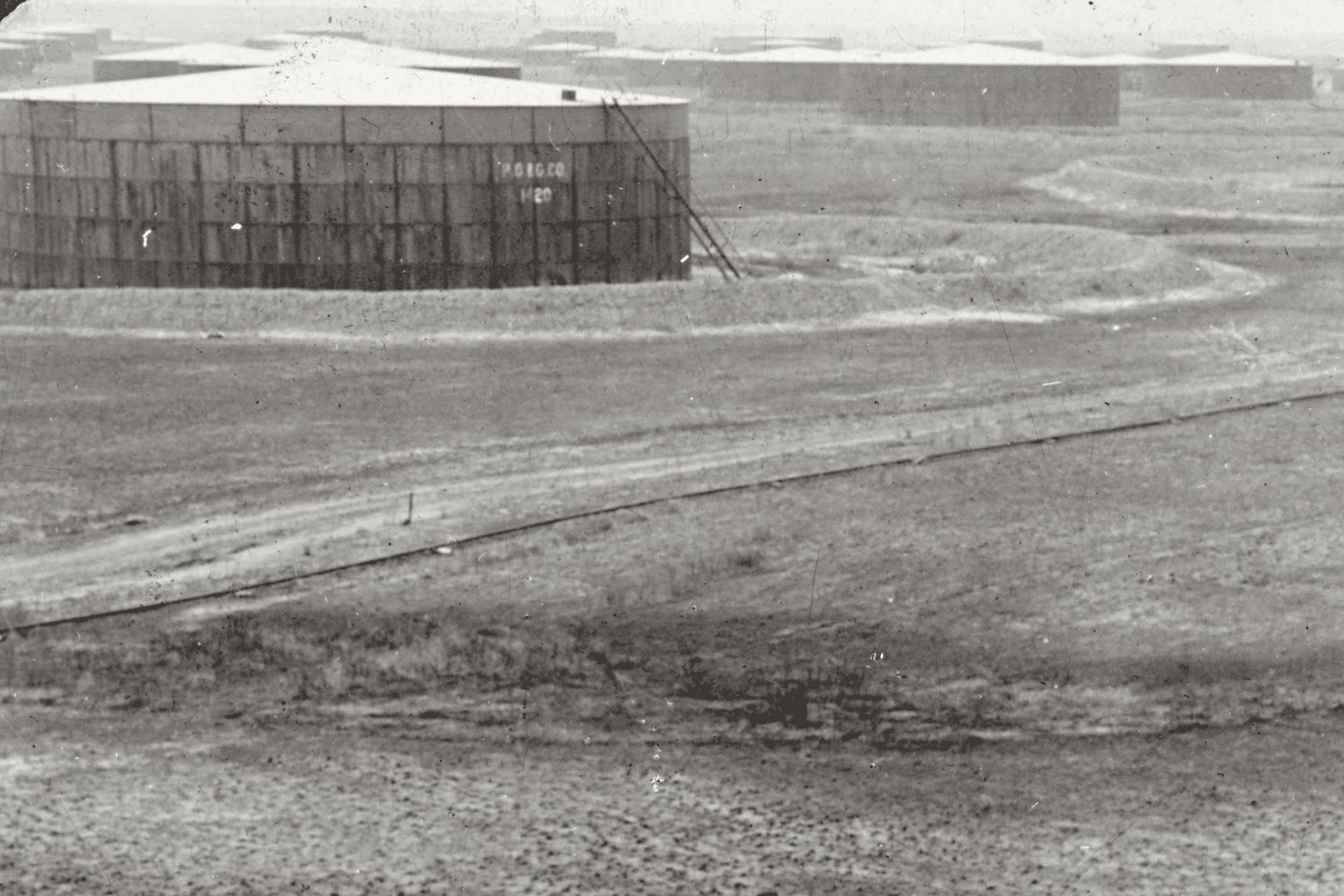
The field eventually grew to 39 separate oil pools. Derricks rose over cotton fields, storage tanks spread across the prairie, and small towns filled with drillers, teamsters, cooks and shopkeepers looking for work. On July 30, 1927, the district pumped 527,400 barrels of oil in a single day. From 1927 through 1929 it produced roughly 150 million to 200 million barrels a year.
The Greater Seminole by the numbers
- Seminole City field opened: March 7, 1926
- Separate oil pools: 39
- Record day: 527,400 barrels (July 30, 1927)
- Yearly output, 1927–1929: about 150–200 million barrels
- Lowest price during the glut: 17 cents a barrel — about $3.20 in today's money
Too much of a good thing
The boom had a lesson hidden in it. With every company racing to pump as fast as possible, oil flooded the market, and at one point the price fell to just 17 cents a barrel. In the summer of 1926, operators were already meeting to talk about spacing wells and limiting production. The Greater Seminole became the last Oklahoma field allowed to produce without limits; its excesses helped bring in the state's conservation rules of the 1930s.
For the families who came looking for work, though, 1926 meant paychecks, new stores and new roads. Cheap, plentiful oil also meant cheap gasoline for the millions of new cars rolling onto America's numbered highways.
Sources
- Oklahoma Historical Society, Encyclopedia of Oklahoma History and Culture: Greater Seminole Oil Field
- American Oil & Gas Historical Society: Greater Seminole boom
- Library of Congress: Field of storage oil tanks, Oklahoma (1926)
Dollar conversions use the U.S. Bureau of Labor Statistics CPI-U (1926 annual average 17.7; September 2026: 336.94), a factor of about 19.