Monday, November 23, 2026100 years ago today: Tuesday, November 23, 1926

The Good News of 100 Years Ago

Money · Gold · Oil · Patents
Gold, 1 oz (1926)$20.67Eggs, a dozen48.5¢Milk, a quart14¢Ford Model T Runabout$360Route 662,448 mi$1 in 1926 = today≈ $19Gold today, 1 oz$4,043

November 12, 2026The Friday, November 12, 1926 Edition

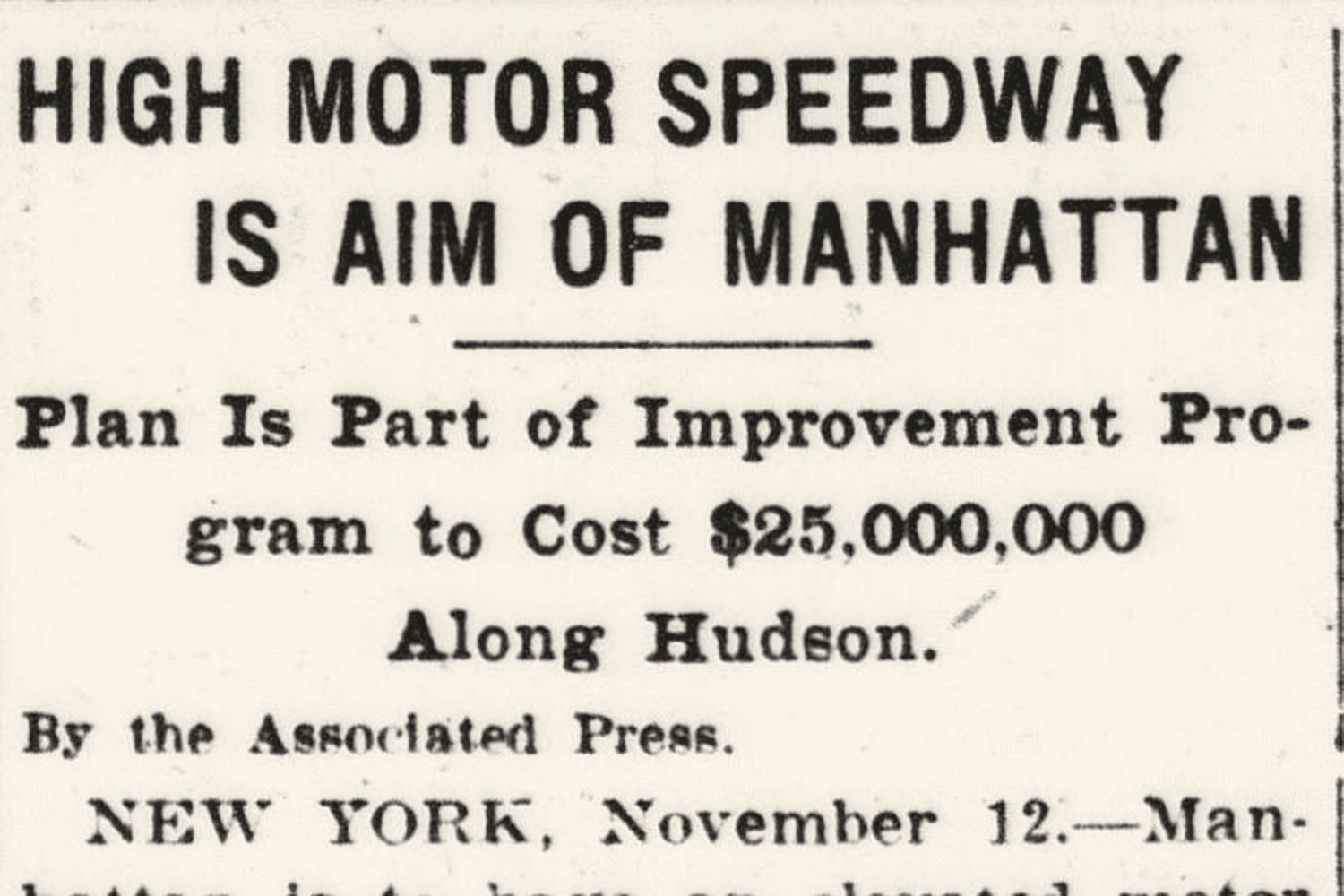
Five stories from exactly 100 years ago, each told through money

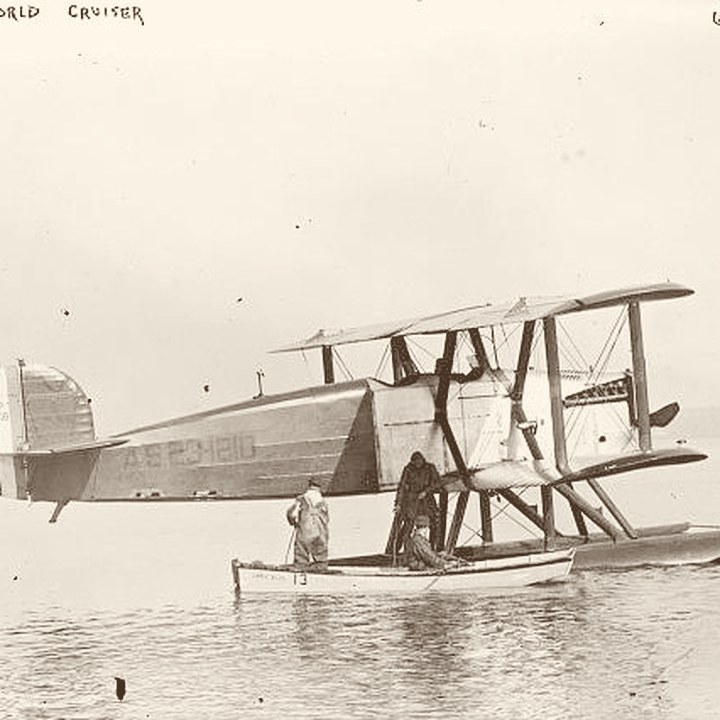
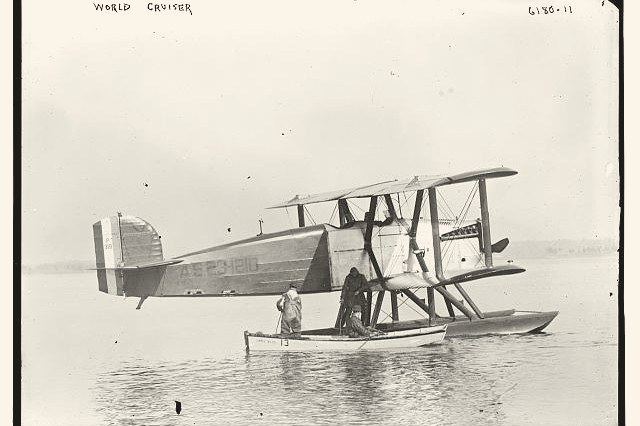
The World Cruiser, a biplane on floats, sits on the water while mechanics work on it from a small boat
Bain News Service / Library of Congress
Patents & Inventions

A Device Against the Pilot's Worst Fear: the Tail Spin

On November 12, 1926, the paper reported that Donald Douglas, who designed the round-the-world planes, had invented a device to prevent tail spins. Twenty-two test flights, his plant said, proved it worked.

Test flights22 · all successful
Next testArmy's McCook Field
Read the story →
The Day's Economy

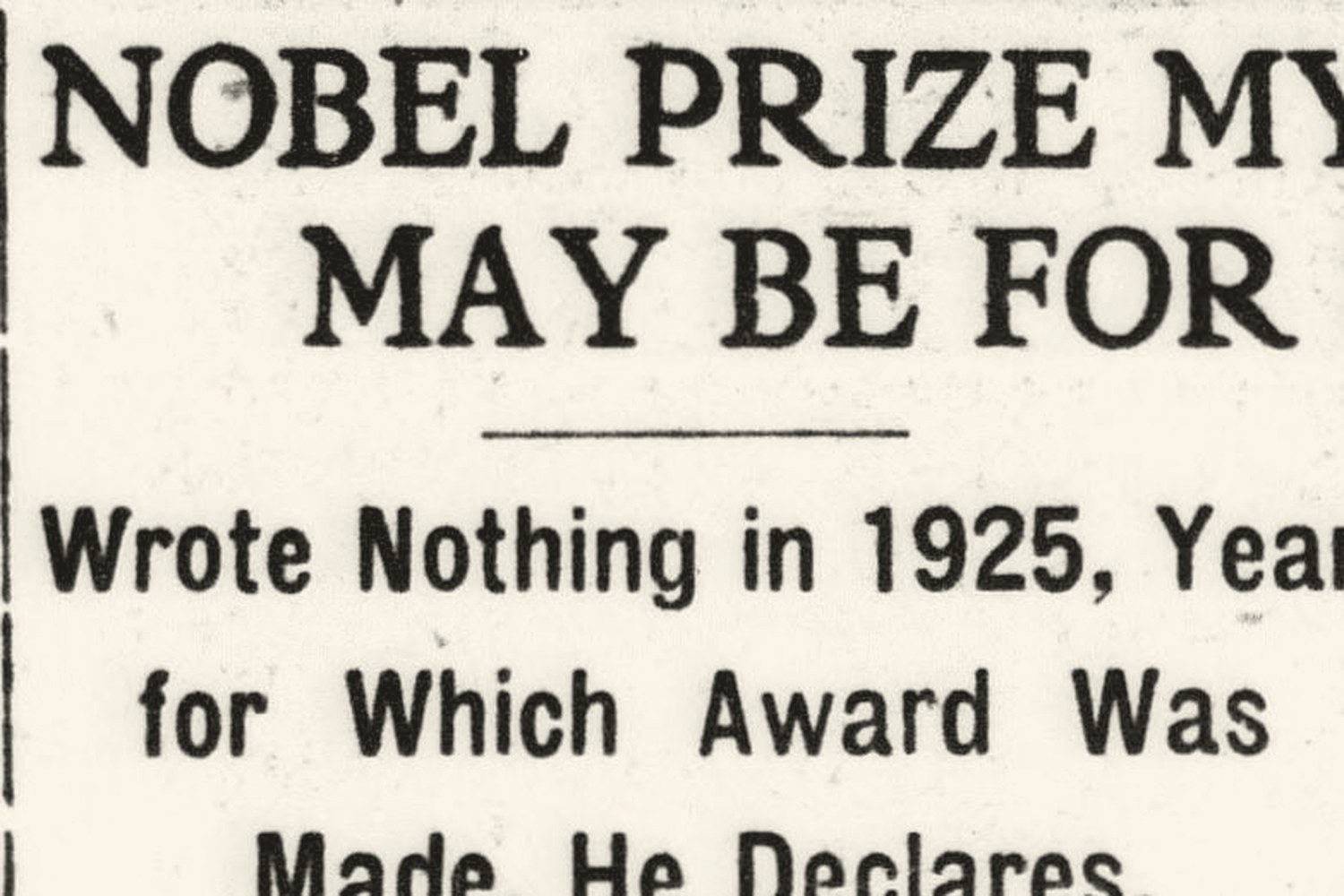
Shaw Wins the Nobel: "It Must Be Because I Wrote Nothing That Year"

On November 12, 1926, the paper reported that George Bernard Shaw would receive the 1925 Nobel Prize for literature. Shaw laughed that it must be because he wrote nothing that year. A few days later he decided to spend the money on others.

"It must be because I wrote nothing"
Gold & Markets

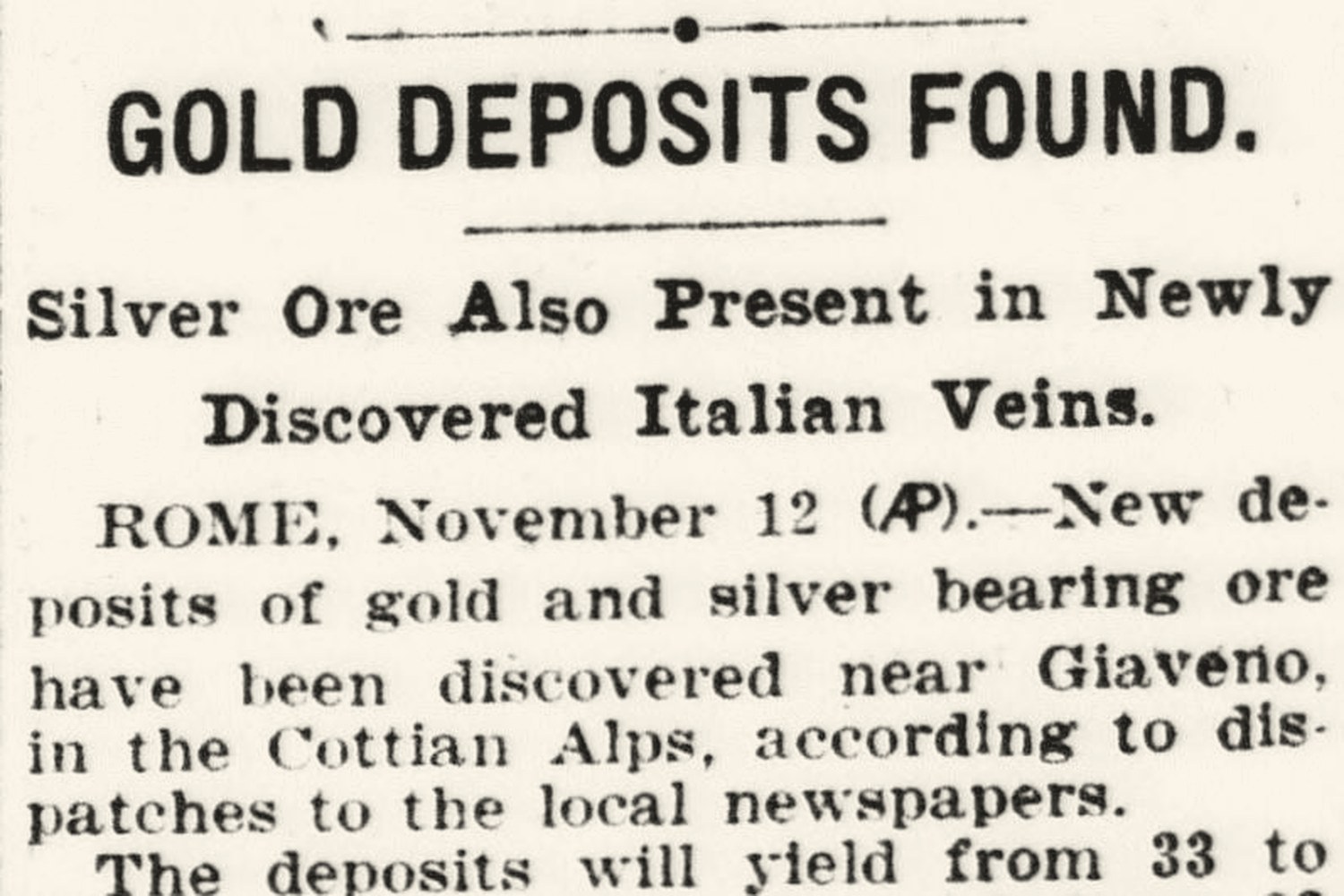
Gold in the Alps: What 35 Grams per Ton Was Worth

On November 12, 1926, the paper reported new veins of gold and silver ore in the Italian Alps — 33 to 38 grams of gold per ton of rock. At 1926 prices that was about $24 of gold a ton; at today's, about $4,600.

33–38 grams of gold per ton of ore
Main Street Wallet

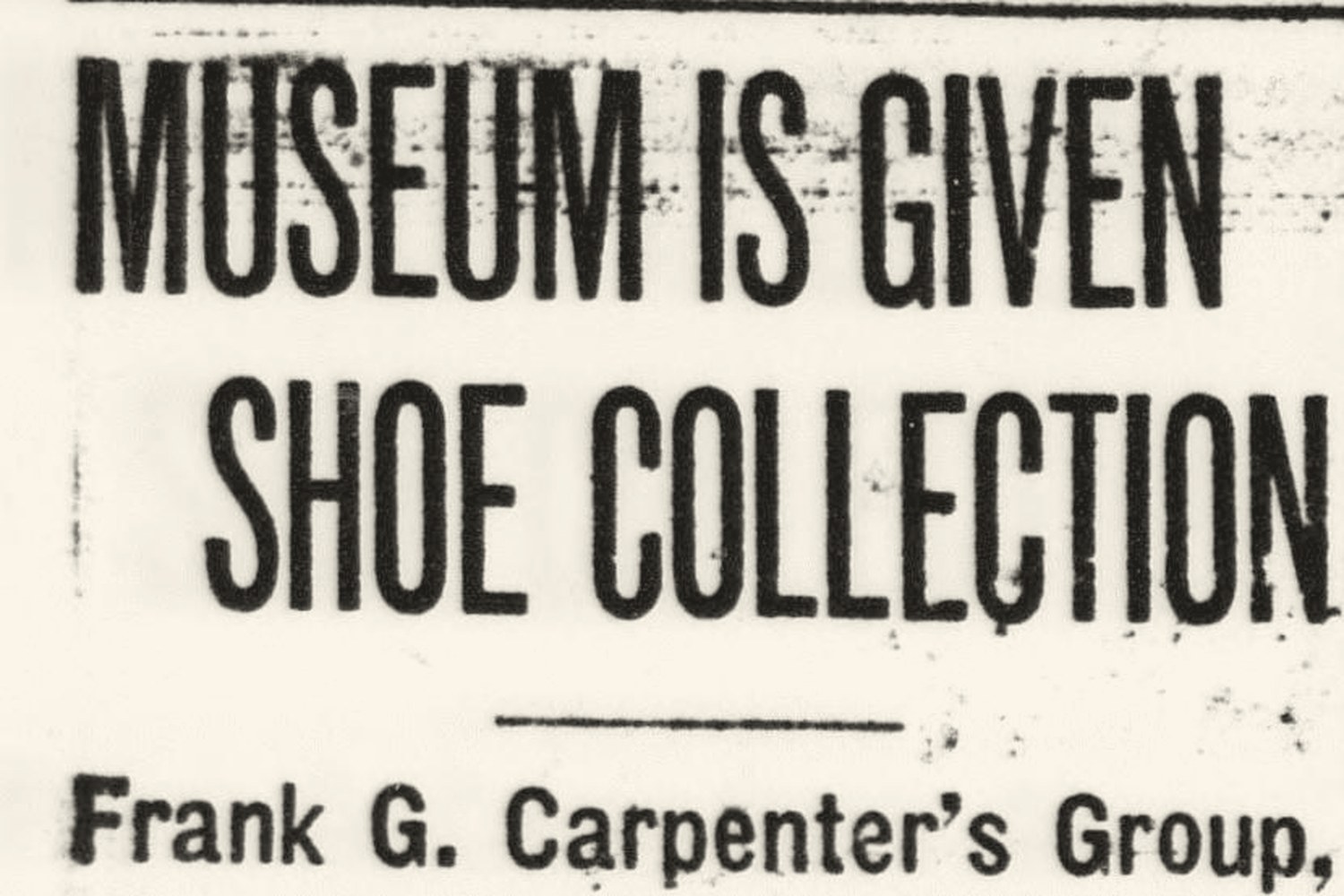
The 95 Pairs of Shoes Left by a Man Who Walked the World for 40 Years

On November 12, 1926, the paper reported that the travel writer Frank G. Carpenter's collection of 95 pairs of shoes from around the world was going to the Smithsonian. His daughter gave her father's shoes to the public.

95 pairs of shoes from 40 years of travel

🧩 Puzzle Corner

Five games, fresh every day from this edition

Every word comes from today's stories. Drag across a word (or tap its first letter, then its last).

NSHUDSONOADTMNTWSSGSTSIOORYUBEGVAEGRUYLKSOSSOTTEPGLAOHDPHNLDTLLATSAOEAOTDDAANRUAUEDBAOFNSDARLEDSEISSESYNTPAWHLLTEGADSWSSAALSSAPHSLLSSYWAPTIAPSALTNSHTITDLHOTAAAADHNTEAIRE
Hi! I hid 12 words from today's paper. Can you find them all?

Found: 0 / 12

  • AIRPLANE
  • ALPS
  • DOUGLAS
  • GOLD
  • HUDSON
  • NOBEL
  • SHAW
  • SHOES
  • SPEEDWAY
  • TAILSPIN
  • TOYLAND
  • TRANSLATE
🎉 You found them all in seconds! Scroll up and you can read the stories these words came from, too. 🐝↑

Want more? Play free Sudoku, Minesweeper and more at Wink Puzzle →

Ads of the Good Old Days ^^ · Nov. 12, 1926

Real ads from that day's paper, with 1926 prices in today's money.

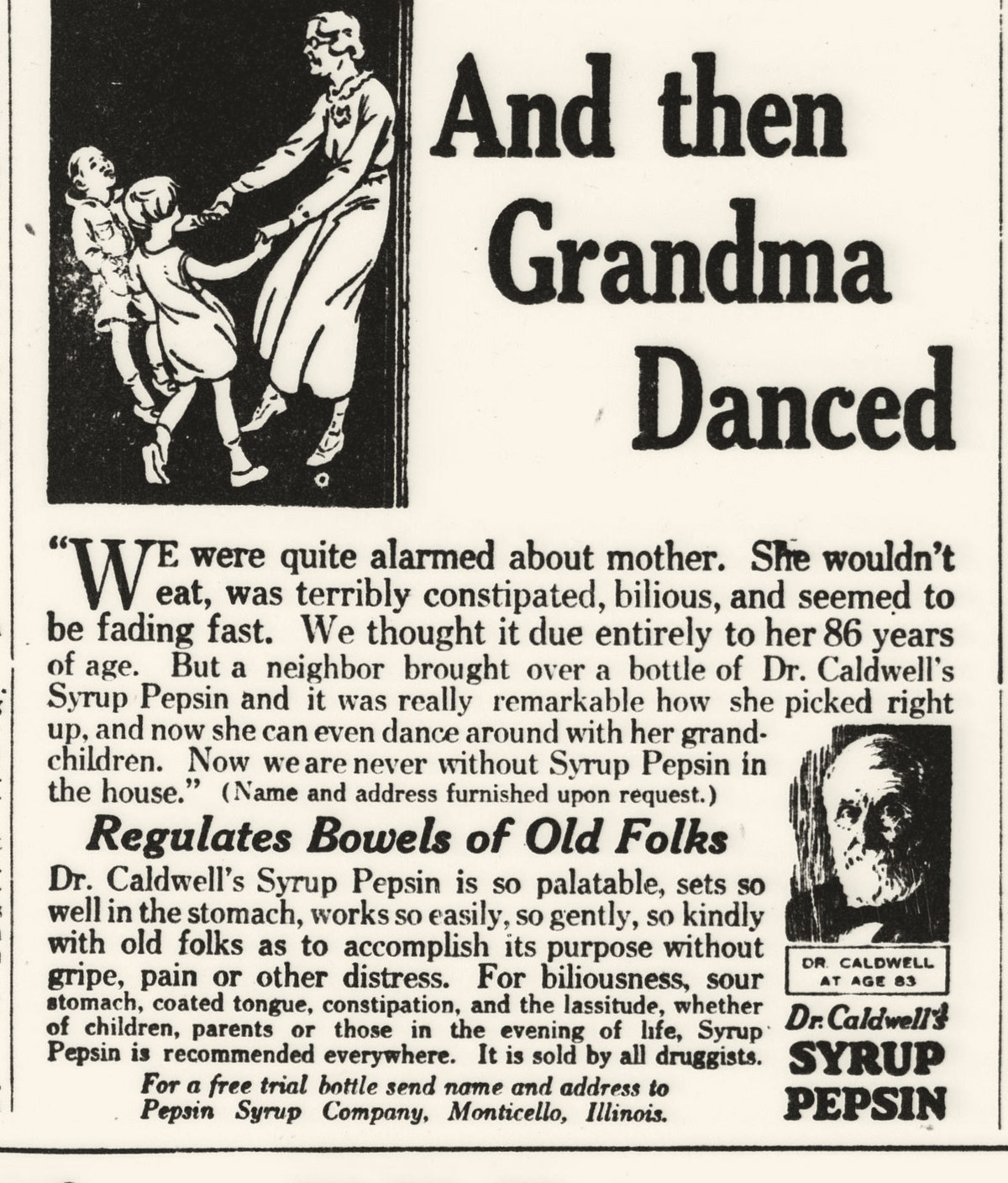
A medicine ad from Nov. 12, 1926: a grandmother dancing hand in hand with a child, beside the words "And then Grandma Danced"

"And Then Grandma Danced"

AND THEN GRANDMA DANCED
"...NOW SHE CAN EVEN DANCE AROUND
WITH HER GRANDCHILDREN."

Back then, a whole little drama fit inside one ad. An 86-year-old grandmother had lost her appetite and seemed to be fading, the family wrote — until a neighbor brought over a bottle of syrup. In the drawing she is spinning with a grandchild. The cure is the ad talking, but a family's wish to see Grandma smile again is the same 100 years later.

Pepsin Syrup Co. (Dr. Caldwell's Syrup Pepsin), Monticello, Illinois · Evening Star, page 34See the page →
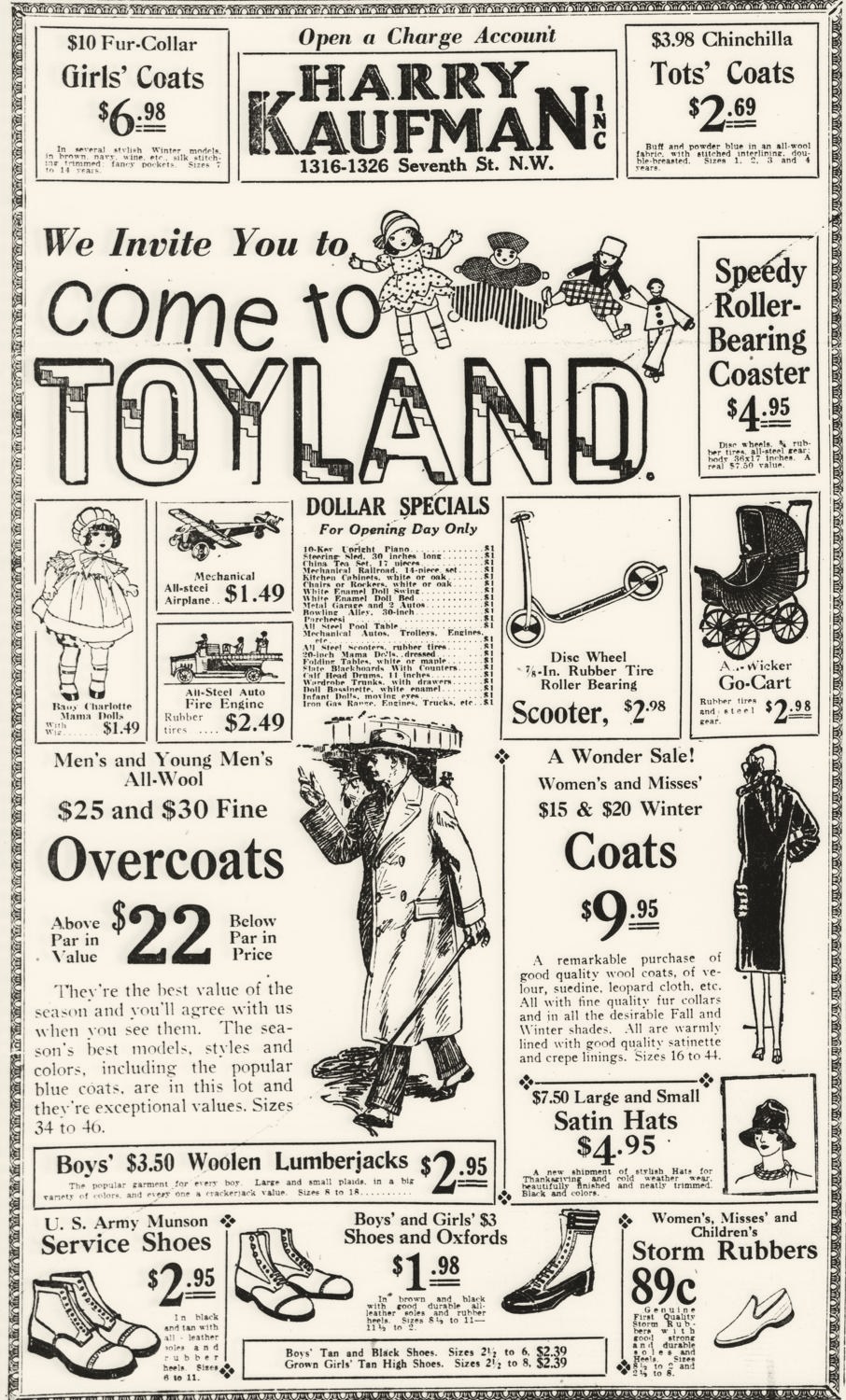
A department store ad from Nov. 12, 1926: "Come to Toyland" above drawings of dolls, a scooter and a go-cart, with sale prices for coats
"Come to Toyland" — and Coats on SaleHarry Kaufman, 1316-1326 Seventh St. N.W. · Evening Star, page 33
ThenToday's money
Men's all-wool overcoats (were $25–$30)$22≈ $420
Women's winter coats (were $15–$20)$9.95≈ $190
Roller-bearing scooter$2.98≈ $57

Opening day of the toy department brought "Dollar Specials": a 10-key upright piano, a 30-inch steering sled and a 17-piece china tea set, all $1. One ad held both the children's Christmas and the grown-ups' winter coats.

See the page →
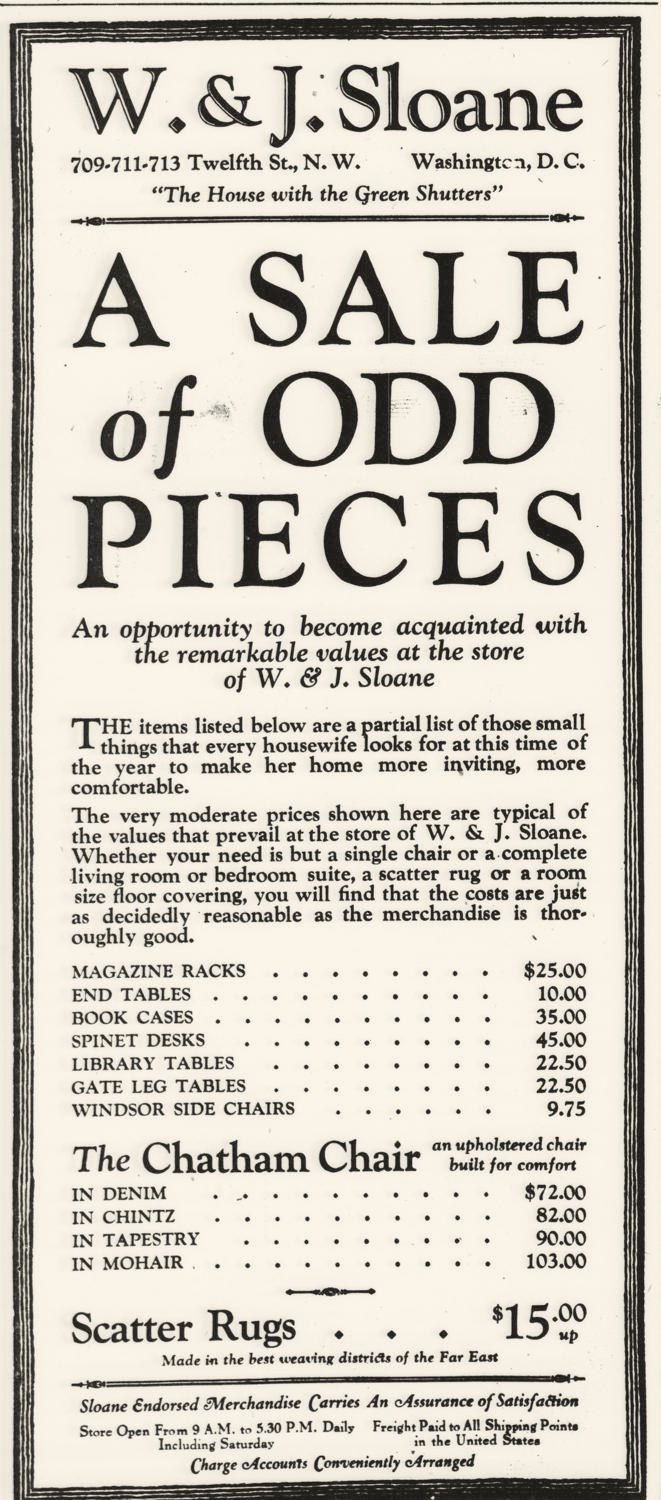
A furniture store ad from Nov. 12, 1926: "A Sale of Odd Pieces" above a list of furniture and prices
A Sale of "Odd Pieces"W. & J. Sloane, 709-713 Twelfth St. N.W. · Evening Star, page 34
ThenToday's money
Book cases$35≈ $670
Spinet desks$45≈ $860
Chatham chair, in mohair$103≈ $1,960

The store called itself "The House with the Green Shutters." Every housewife, the ad said, looks at this time of year for small things to make her home more inviting; the upholstered Chatham chair came in denim at $72, all the way up to mohair at $103. Freight was paid to all shipping points in the United States.

See the page →
Person of the day

Joseph G. Cannon

1836–1926 · From a country doctor's son to "Uncle Joe," Speaker of the House

He is on the front page of the Evening Star of November 12, 1926: that morning he died at his home in Danville, Illinois, at the age of 90. Born in North Carolina in 1836, he moved with his family to Annapolis, Indiana, when he was four. His father was a country doctor. In 1851, when the boy was fifteen, his father drowned trying to cross a flooded creek to reach a sick patient. Young Joe worked as a store clerk to help the family and studied law on the side. First elected to Congress in 1873, he served 46 years in the House, a record no one broke until 1959. From 1903 to 1911 he was Speaker, and the country called him "Uncle Joe." On the day he retired in 1923, his face was on the cover of the very first issue of a new magazine called Time. The paper remembered his last year: last May, at his 90th birthday party, he cut the big cake himself and handed it out to Boy Scouts. In June he broke ground for the new church where his late wife had sat in the same pew for years. He had one great regret at the end: he could not go back to speak at the little schoolhouse in Indiana where he gave his first speech as a boy. The boy who lost his father to a creek walked all the way to the chair that runs the nation's House — and missed his first little classroom to the end.
The day in one line
On November 12, 1926, a designer took on the tail spin pilots feared most, a writer laughed his way to a Nobel Prize, and a daughter gave the world the shoes her father gathered over 40 years.
— the Wink High Desk

Also in the news

Past editions

See every past edition →