Monday, November 23, 2026100 years ago today: Tuesday, November 23, 1926

The Good News of 100 Years Ago

Money · Gold · Oil · Patents
Gold, 1 oz (1926)$20.67Eggs, a dozen48.5¢Milk, a quart14¢Ford Model T Runabout$360Route 662,448 mi$1 in 1926 = today≈ $19Gold today, 1 oz$4,043

November 10, 2026The Wednesday, November 10, 1926 Edition

Five stories from exactly 100 years ago, each told through money

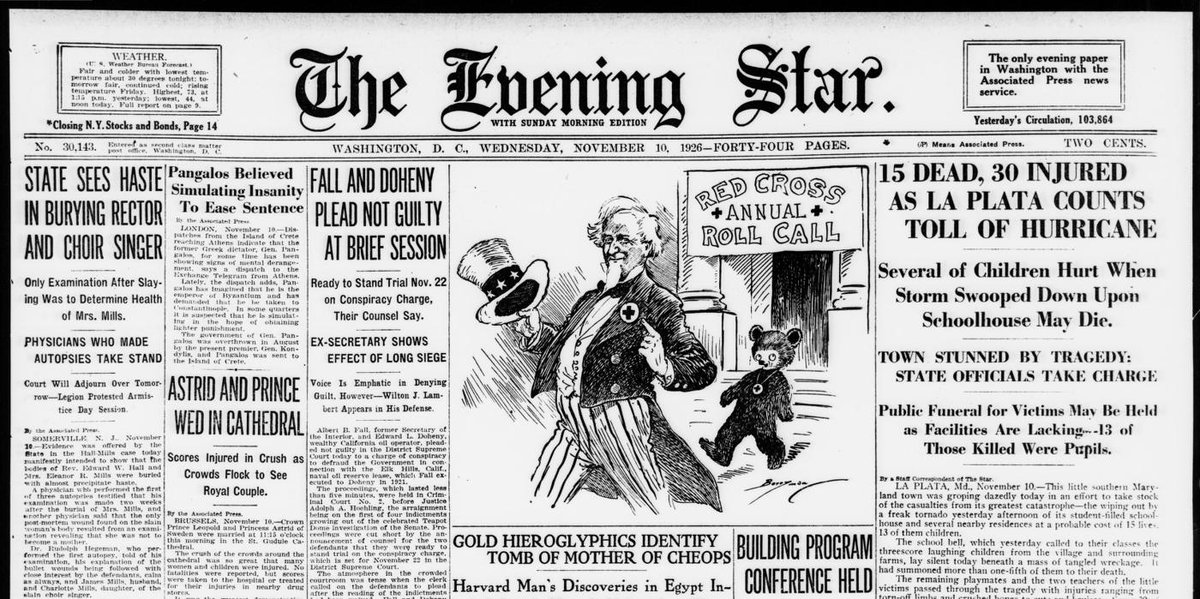
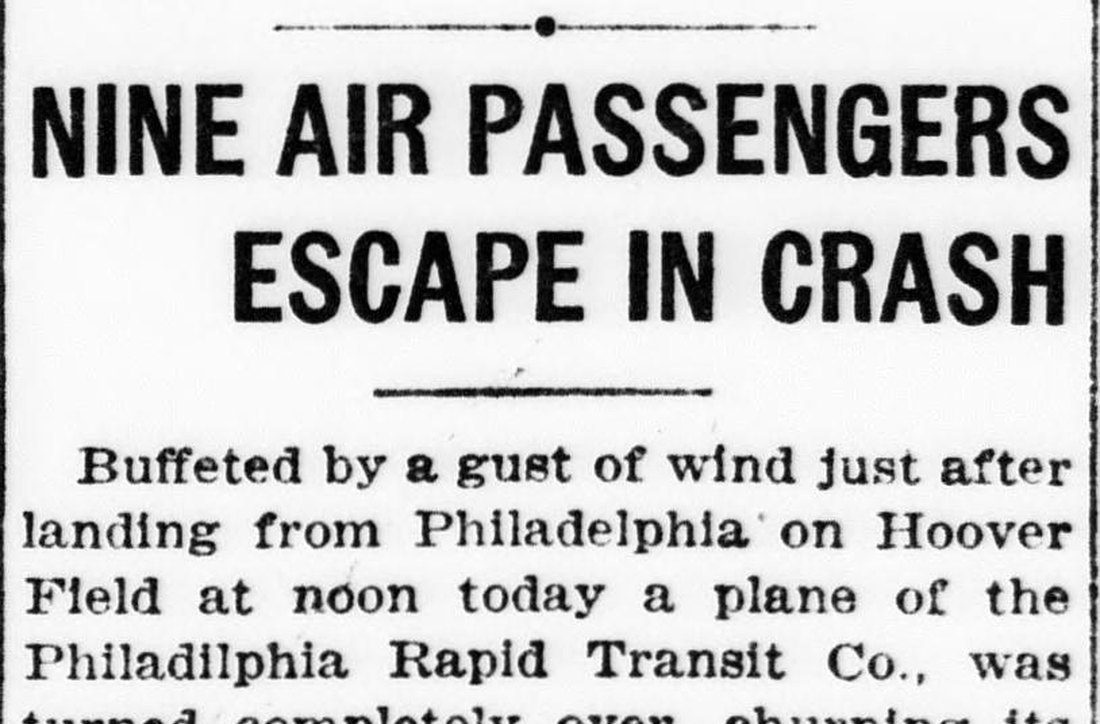
A front-page story from the Evening Star of Nov. 10, 1926, headlined "Nine Air Passengers Escape in Crash"
Evening Star, Nov. 10, 1926 / Library of Congress
Oil & Industry

A Gust Flipped Their Plane. The Nine Passengers Took the Bus.

At noon on November 10, 1926, a passenger plane from Philadelphia landed in Washington and was turned over by a gust of wind. Its nine passengers got away with bruises, pulled themselves together and rode into town on the airline bus, as usual.

Passengers in the flipped plane9 · all safe
Same morning, ChicagoFirst trial flight to Dallas
Read the story →
The Day's Economy

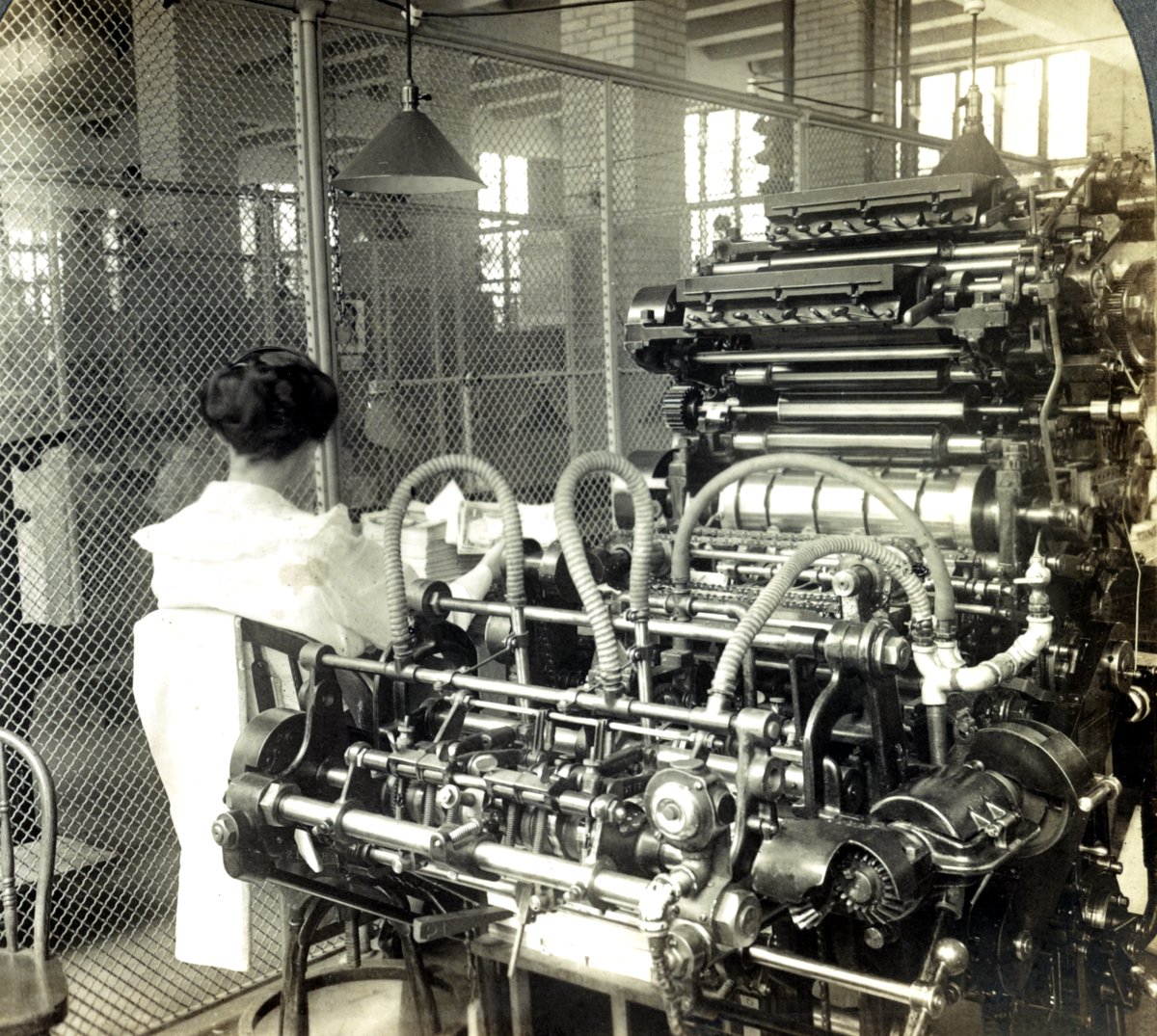
The Women Who Printed the Nation's Money Asked What Their Work Was Worth

On November 10, 1926, the paper reported that workers at the Bureau of Engraving and Printing had adopted a resolution the night before. They asked for a proper rating of the jobs held by women — and that no job in their class pay less than 60 cents an hour.

The women who print money ask for 60 cents an hour
Gold & Markets

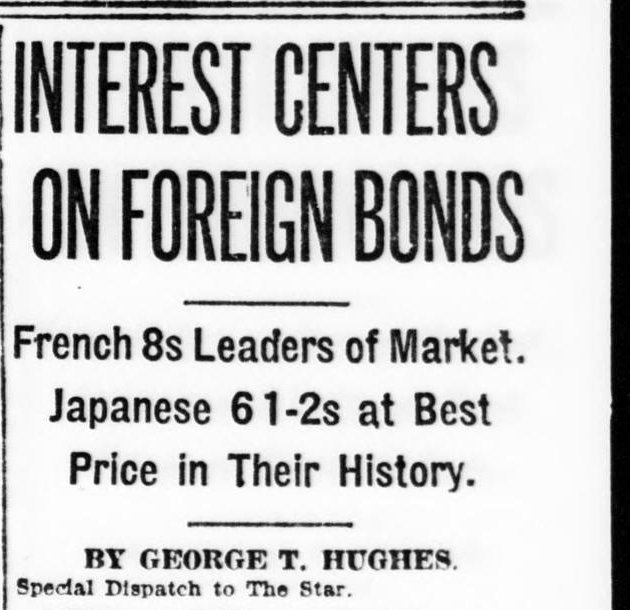
Bond Prices as a Thermometer of Trust: New York, Nov. 10, 1926

The day before, the paper said Americans would lend more than a billion dollars abroad that year. The next day in New York, French bonds hit their high for the year and Japanese bonds sold at the best price in their history.

Japanese bonds at their best price ever
Patents & Inventions

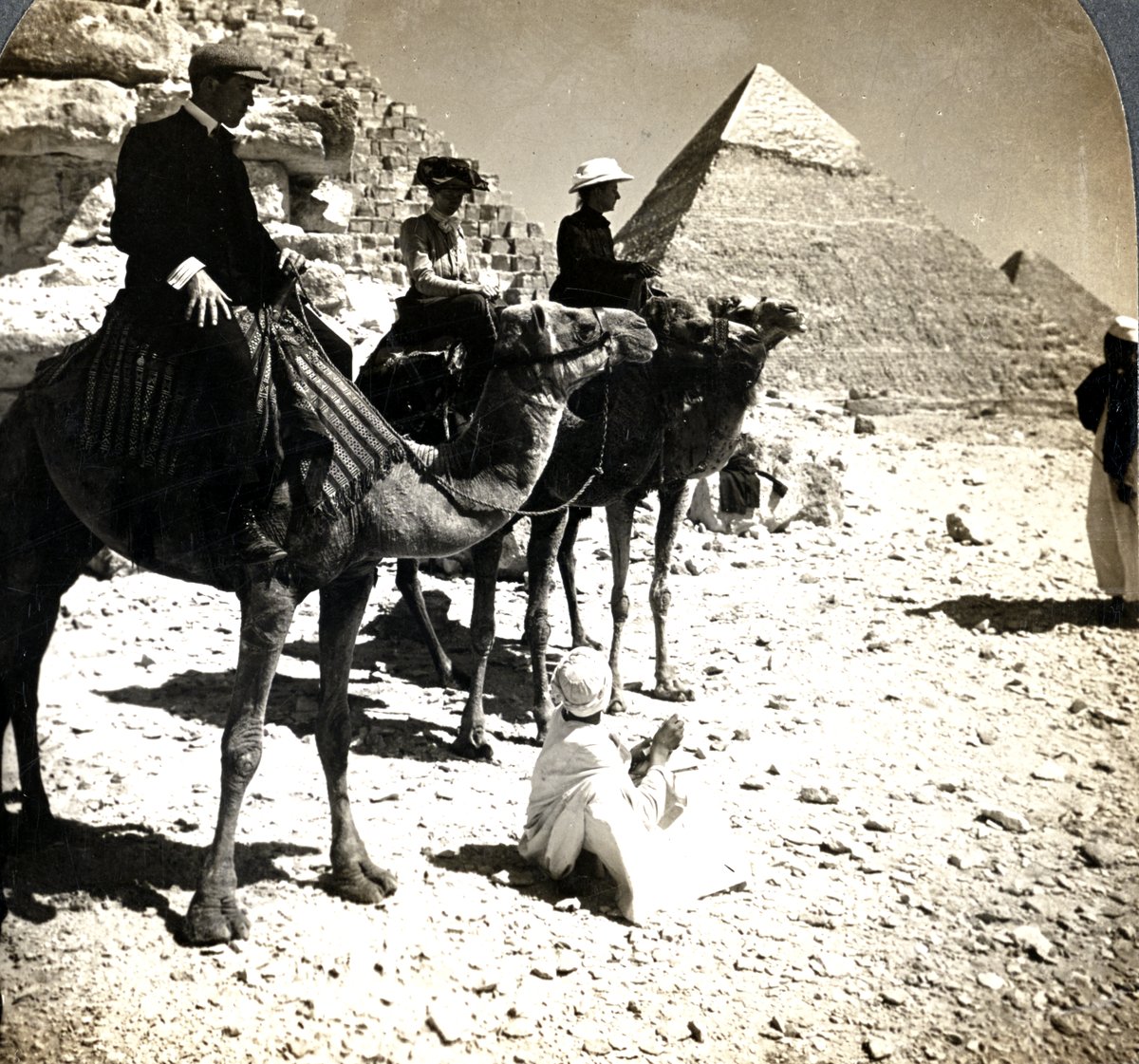
Gold Letters on a Carrying Chair Gave Back a Queen's Name

On November 10, 1926, the front page reported that Harvard's George Reisner had identified the tomb of Queen Hetepheres, mother of King Khufu (Cheops). The clue was two inscriptions in gold hieroglyphics on the back of a carrying chair.

Gold letters name the mother of Khufu
Main Street Wallet

Brussels Came to See Two People, Not the Crowns

On the morning of November 10, 1926, Crown Prince Leopold of Belgium and Princess Astrid of Sweden were married in Brussels. To thousands of people that day, the paper wrote, they were "simply Leopold and Astrid."

The names the crowd called: Leopold and Astrid

🧩 Puzzle Corner

Five games, fresh every day from this edition

Every word comes from today's stories. Drag across a word (or tap its first letter, then its last).

BONDSTECRAENTLIARBSORBBSAHUSBIPDERNUQNEMRNORBRQNOSLAPPAEPPNEIANETIGARDYLRFADNELWUSMQRANNPOROPESSDUANKYMLTBIDTEIEMEAKGDPDRDRNCEIEORTWGGSIHGONDSPRNTDLUNNEATPHKISACEUGLRLDE
Hi! I hid 12 words from today's paper. Can you find them all?

Found: 0 / 12

  • AIRPLANE
  • BONDS
  • BUS
  • COAL
  • GUST
  • PASSENGER
  • PILOT
  • PYRAMID
  • QUEEN
  • THEATER
  • TORNADO
  • WEDDING
🎉 You found them all in seconds! Scroll up and you can read the stories these words came from, too. 🐝↑

Want more? Play free Sudoku, Minesweeper and more at Wink Puzzle →

Ads of the Good Old Days ^^ · Nov. 10, 1926

Real ads from that day's paper, with 1926 prices in today's money.

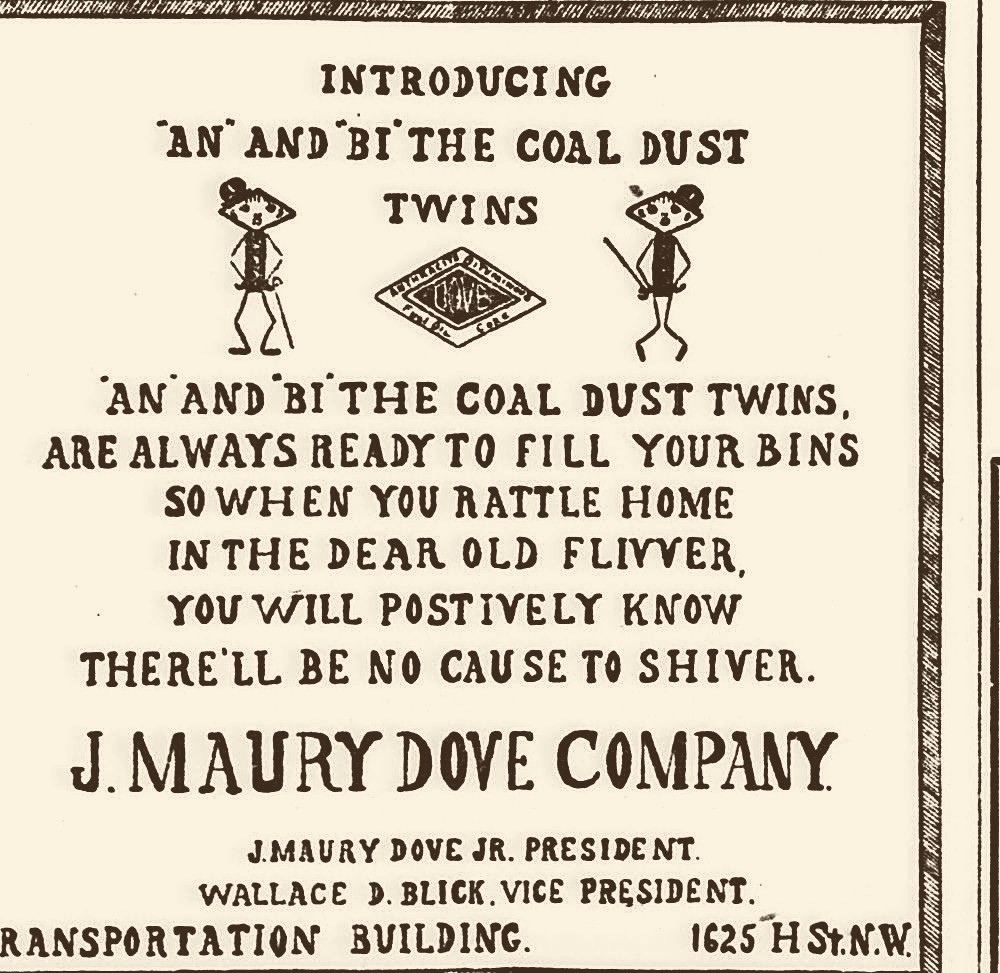
A coal dealer's ad from Nov. 10, 1926 with two stick-figure twins and a rhyming jingle

Introducing "An" and "Bi," the Coal Dust Twins

"AN" AND "BI" THE COAL DUST TWINS,
ARE ALWAYS READY TO FILL YOUR BINS
SO WHEN YOU RATTLE HOME IN THE DEAR OLD FLIVVER,
YOU WILL POSTIVELY KNOW THERE'LL BE NO CAUSE TO SHIVER.

Back then, even the neighborhood coal dealer put real heart into an ad. Its two kinds of coal, anthracite and bituminous, became stick-figure twins named "An" and "Bi," with a little rhyme to go with them. Even the misspelled "postively" feels charming. You can feel how much they wanted to keep the neighbors warm on a winter night.

J. Maury Dove Company, 1625 H St. N.W., Washington · Evening Star, page 7See the page →
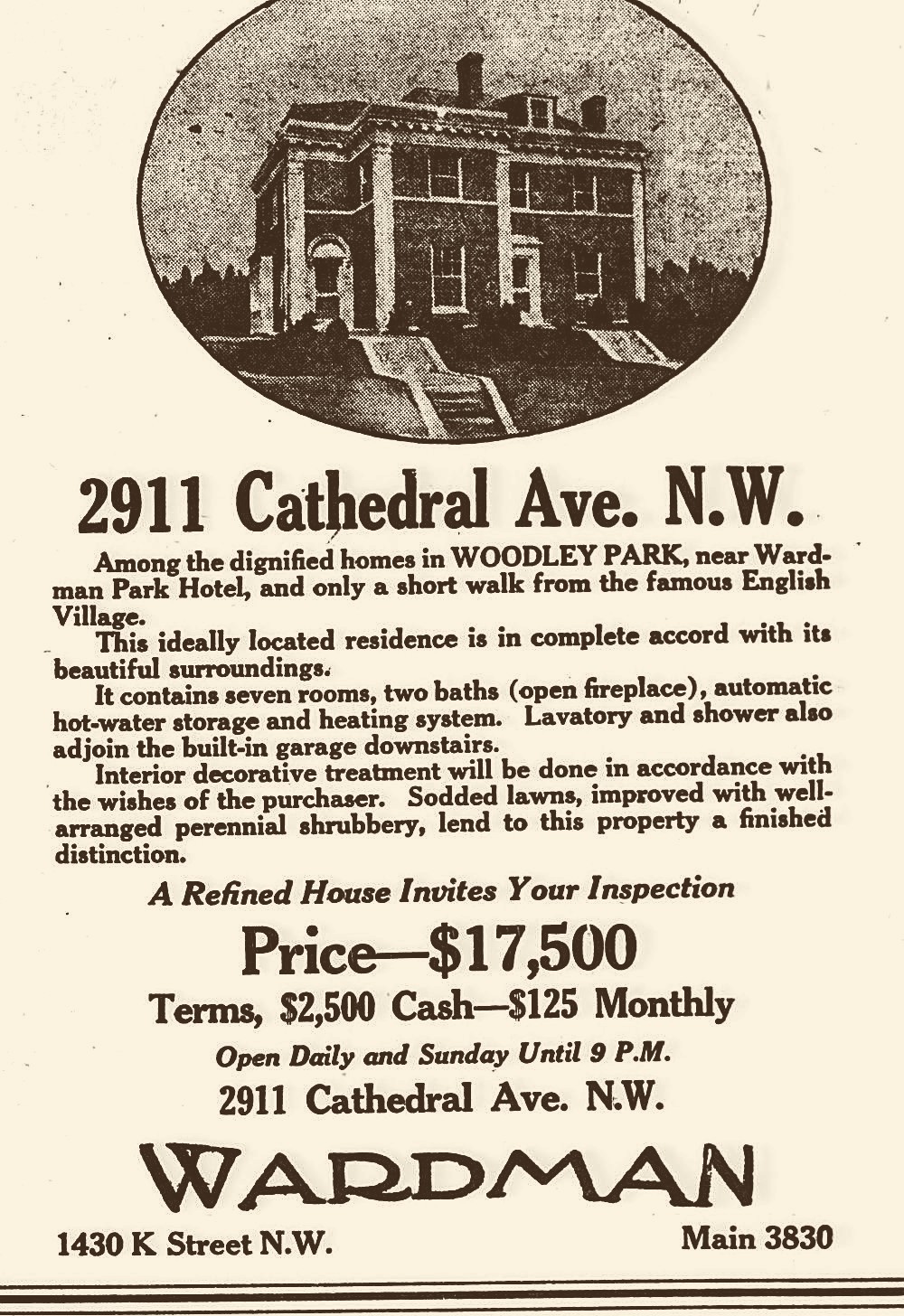
A house ad from Nov. 10, 1926: an oval photo of a three-story brick house above the address, price and payment terms
Seven Rooms, Two Baths and a Built-In GarageWardman, 2911 Cathedral Ave. N.W., Woodley Park, Washington · Evening Star, page 24
ThenToday's money
Price$17,500≈ $330,000
Cash down$2,500≈ $48,000
Monthly$125≈ $2,400

An open fireplace, automatic hot-water storage and heating, and a garage built in downstairs. "Interior decorative treatment will be done in accordance with the wishes of the purchaser," the ad promised. In 1926, too, people bought a house with money down and monthly payments.

See the page →
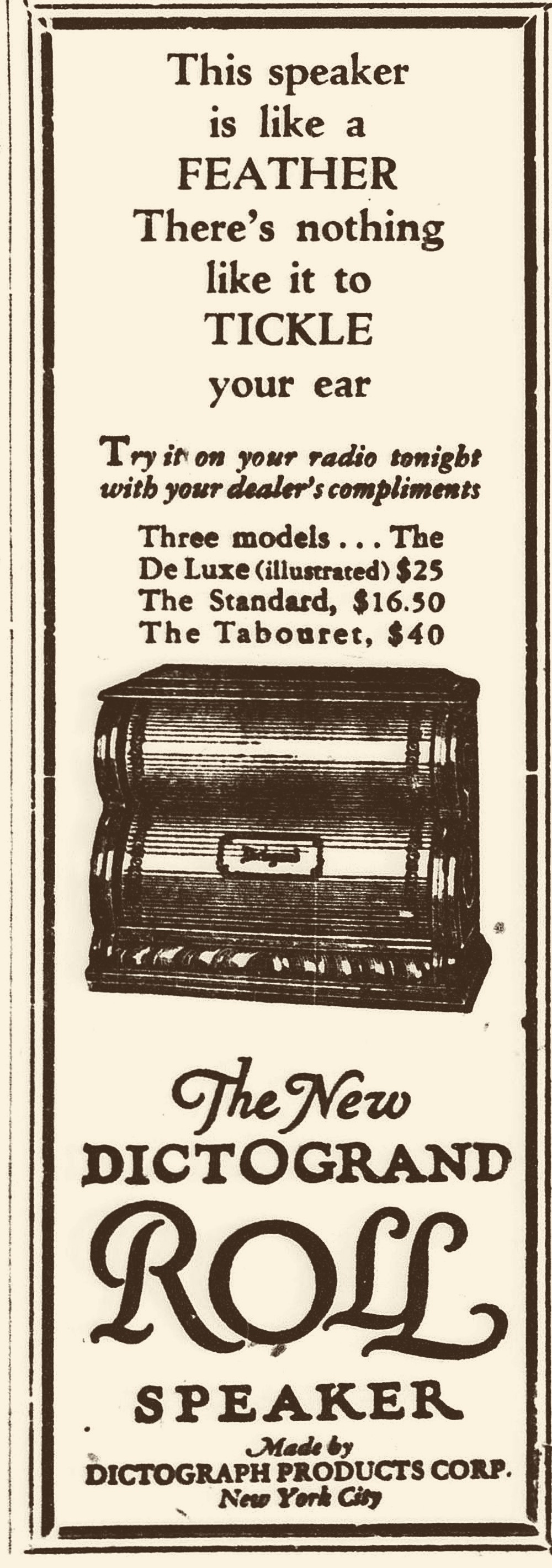
A radio speaker ad from Nov. 10, 1926: the words "like a feather" above a drawing of a wooden cabinet speaker
A Fun One: The Speaker That "Tickles Your Ear"Dictogrand Roll Speaker, Dictograph Products Corp. · Evening Star, page 30
ThenToday's money
The Standard$16.50≈ $310
The De Luxe (pictured)$25≈ $480
The Tabouret$40≈ $760

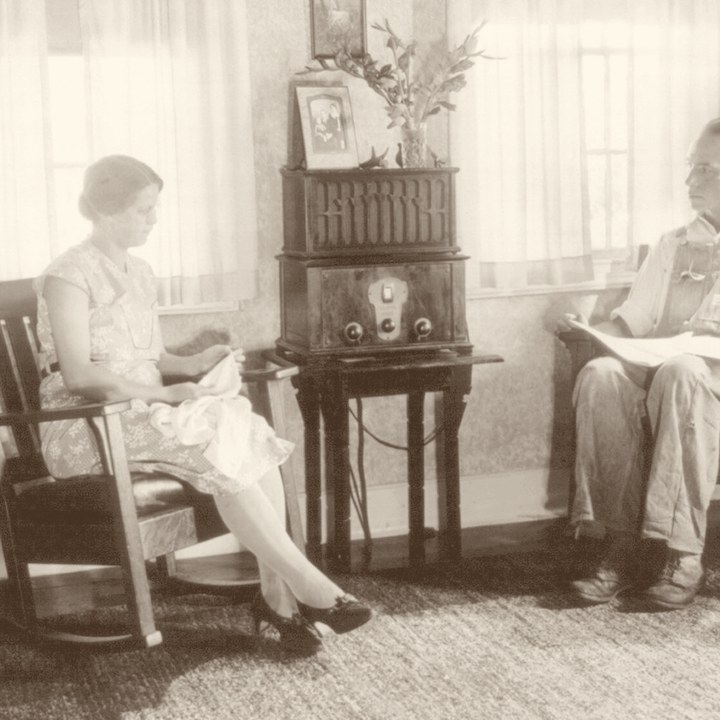
"This speaker is like a FEATHER. There's nothing like it to TICKLE your ear." The ad invited readers to try it on their radio that night "with your dealer's compliments." The same page was packed with that evening's radio programs. In 1926 the star of the living room was the radio.

See the page →
Person of the day

Maurice Schwartz

1889–1960 · From a hungry boy on London streets to a theater of his own in New York

He is in the Evening Star of November 10, 1926, page 12. In 1900 his mother was traveling from Russia to New York, but steamship officials decided ten-year-old Maurice was too big to travel half fare. She had to leave him behind in London. The boy wandered the London streets, hungry and in need of passage money to America. Two years later, an advertisement in the "agony column" of a London paper brought about his reunion with his parents, who were living on the proceeds of an old rag shop in New York. Some time afterward, from the gallery of a Bowery theater, he watched the great Yiddish tragedian David Kessler. He resolved then to become an actor and to build a theater of his own. The first stock company he played in paid him $8 a week. Twenty-five years later, in November 1926, the paper reported that he was about to realize his life's ambition by opening a million-dollar Yiddish art theater on the Lower East Side. The building still stands on Second Avenue in New York. A family reunited by one line in a newspaper ad, a dream born in the cheapest seats, and effort that began at $8 a week — he built all of it onto the stage.
The day in one line
On November 10, 1926, nine passengers climbed out of an upside-down plane and caught the bus as usual, and a boy who once went hungry on the streets of London opened the doors of his own theater 25 years later.
— the Wink High Desk

Also in the news

Past editions

See every past edition →