Monday, November 23, 2026100 years ago today: Tuesday, November 23, 1926

The Good News of 100 Years Ago

Money · Gold · Oil · Patents
Gold, 1 oz (1926)$20.67Eggs, a dozen48.5¢Milk, a quart14¢Ford Model T Runabout$360Route 662,448 mi$1 in 1926 = today≈ $19Gold today, 1 oz$4,043

November 7, 2026The Sunday, November 7, 1926 Edition

Five stories from exactly 100 years ago, each told through money

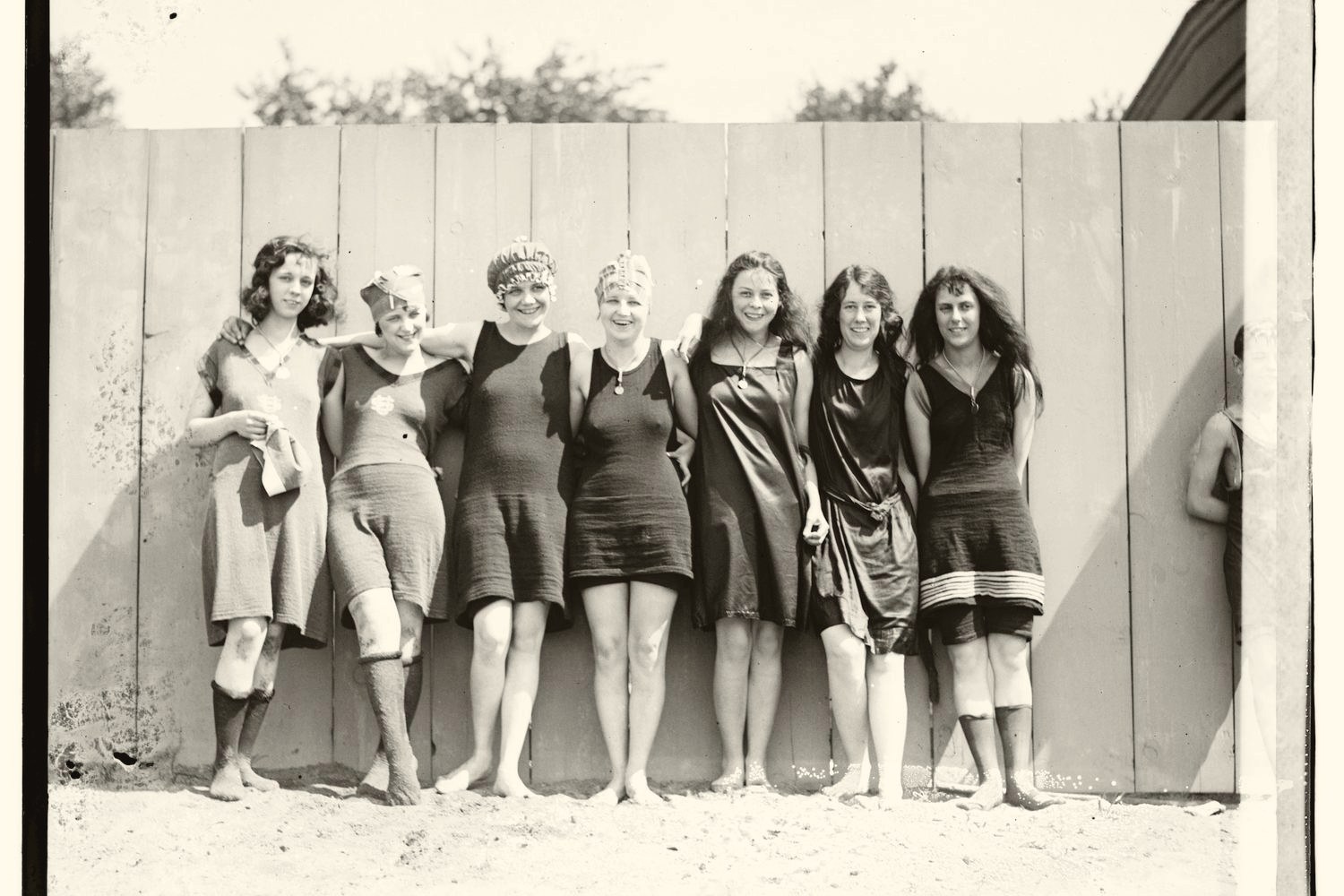
Young women in bathing suits stand smiling in a row against a wooden fence
National Photo Co. / Library of Congress
Patents & Inventions

The Drink Left on the Porch: How the Popsicle Was Born

One cold night in 1905, an 11-year-old boy left his drink outside. In the morning it was frozen solid around the stirring stick. He licked it — and twenty years later he patented his mistake.

Age of the inventor11
Sold each year today≈ 2 billion
Read the story →
The Day's Economy

The Customers Decided: How Kleenex Found Its Real Job

When Kleenex arrived in 1924, it was sold for wiping off cold cream. But customers were blowing their noses with it. The company listened, changed its ads, and tissue became one of the most ordinary things in every home.

Makeup remover → nose tissue
Gold & Markets

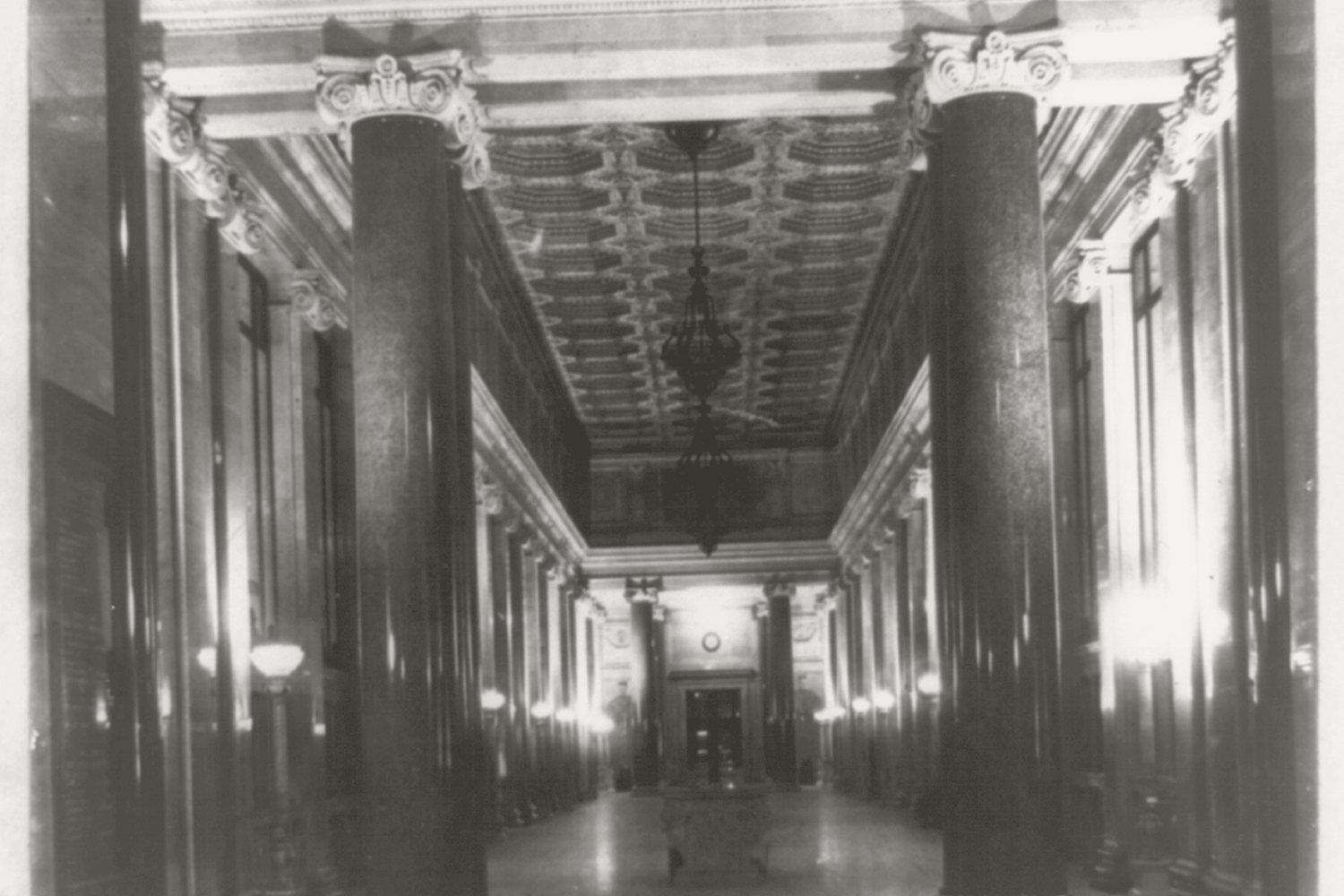
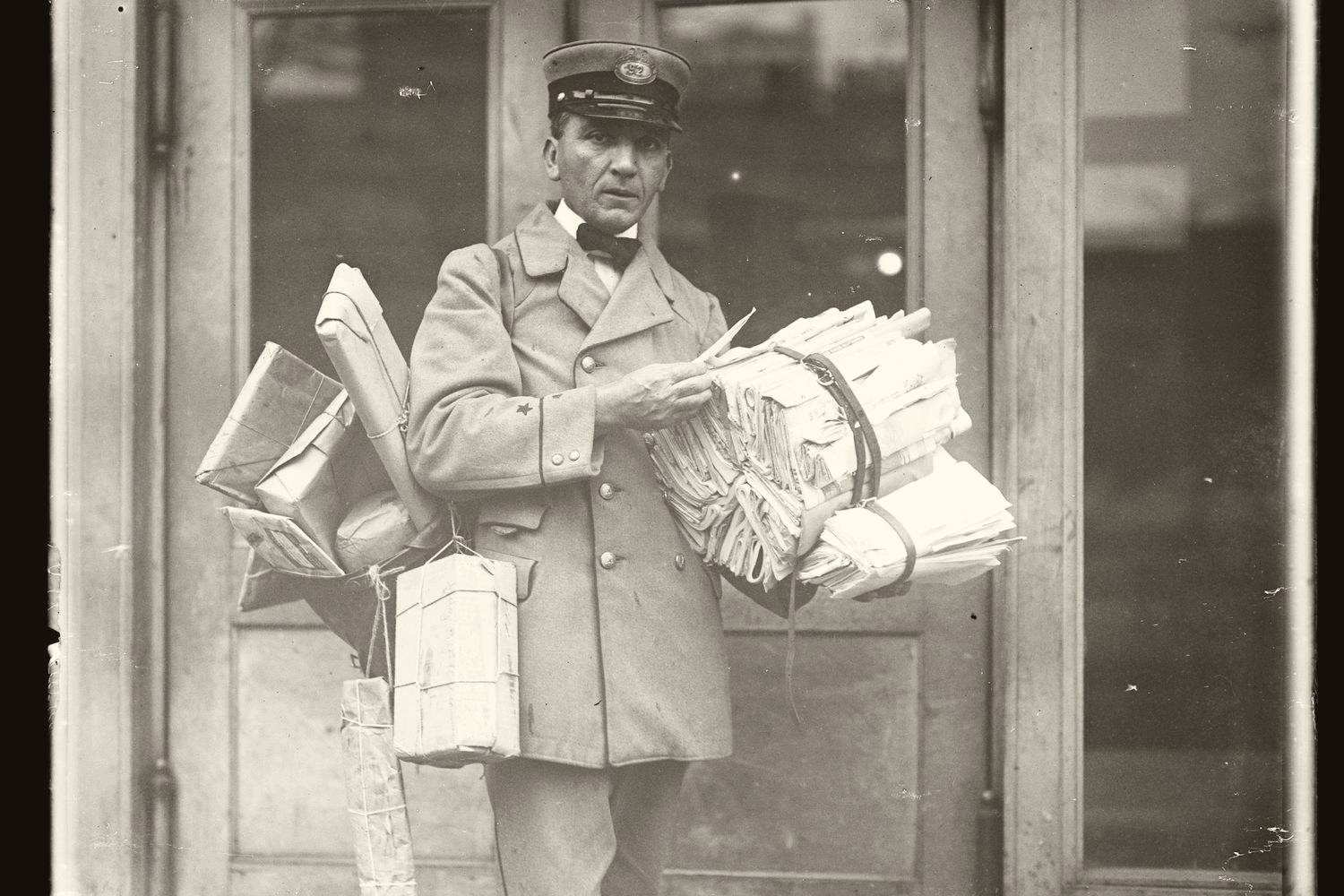
When the Neighborhood Post Office Was a Bank

In 1926, people who didn’t trust banks — or lived far from one — saved at the post office. The government stood behind it, it paid 2 percent a year, and you could start with 10-cent stamps.

Savings at the post office: 2% a year
Oil & Industry

Goodbye, Iceman: The Year the Electric Refrigerator Came

In 1926 most American kitchens had an icebox, and the iceman came every few days. But that year the number of homes with an electric refrigerator reached 248,000. The kitchen was starting to change.

Homes with a fridge: 4,000 (1920) → 248,000 (1926)
Main Street Wallet

The Catalog Store Comes to Town: Sears

For decades, rural Americans flipped through the thick Sears catalog and ordered by mail. Then in 1925, Sears opened its first real store — because the car was starting to bring customers to town.

Mail-order catalog → neighborhood store
Person of the day

Lena Bryant

1877–1951 · Lifted up by a sister, a bank clerk’s typo and a husband’s hand

Born in Lithuania, she lost her parents young and was raised by her grandparents. In 1895 she came to New York to join her older sister, Anna, and started in a sweatshop for $1 a week. In 1899 she married David Bryant, a jeweler, but he died not long after their son was born. She raised the boy by sewing and selling negligees and tea gowns. When she opened a small shop in 1904, a bank officer misspelled her name as "Lane" on her account, and that lucky typo became the store's name: Lane Bryant. Her strength was seeing customers no one else saw. She made a tea gown with an elastic waist that an expectant mother could wear, likely the first maternity dress sold commercially. In 1911 she turned to clothing for larger women, and by 1923 it outsold maternity wear. In 1909 she married Albert Malsin, a mechanical engineer from Lithuania, who became her business partner. In 1917 sales passed $1 million. A seamstress struggling alone was lifted up by a sister, a husband and one typo.
The day in one line
On a Sunday in 1926, the things that lasted longest came not from plans but from a mistake, a typo and a customer's letter.
— the Wink High Desk

Also in the news

Past editions

See every past edition →