Monday, November 23, 2026100 years ago today: Tuesday, November 23, 1926

The Good News of 100 Years Ago

Money · Gold · Oil · Patents
Gold, 1 oz (1926)$20.67Eggs, a dozen48.5¢Milk, a quart14¢Ford Model T Runabout$360Route 662,448 mi$1 in 1926 = today≈ $19Gold today, 1 oz$4,043

November 15, 2026The Monday, November 15, 1926 Edition

Five stories from exactly 100 years ago, each told through money

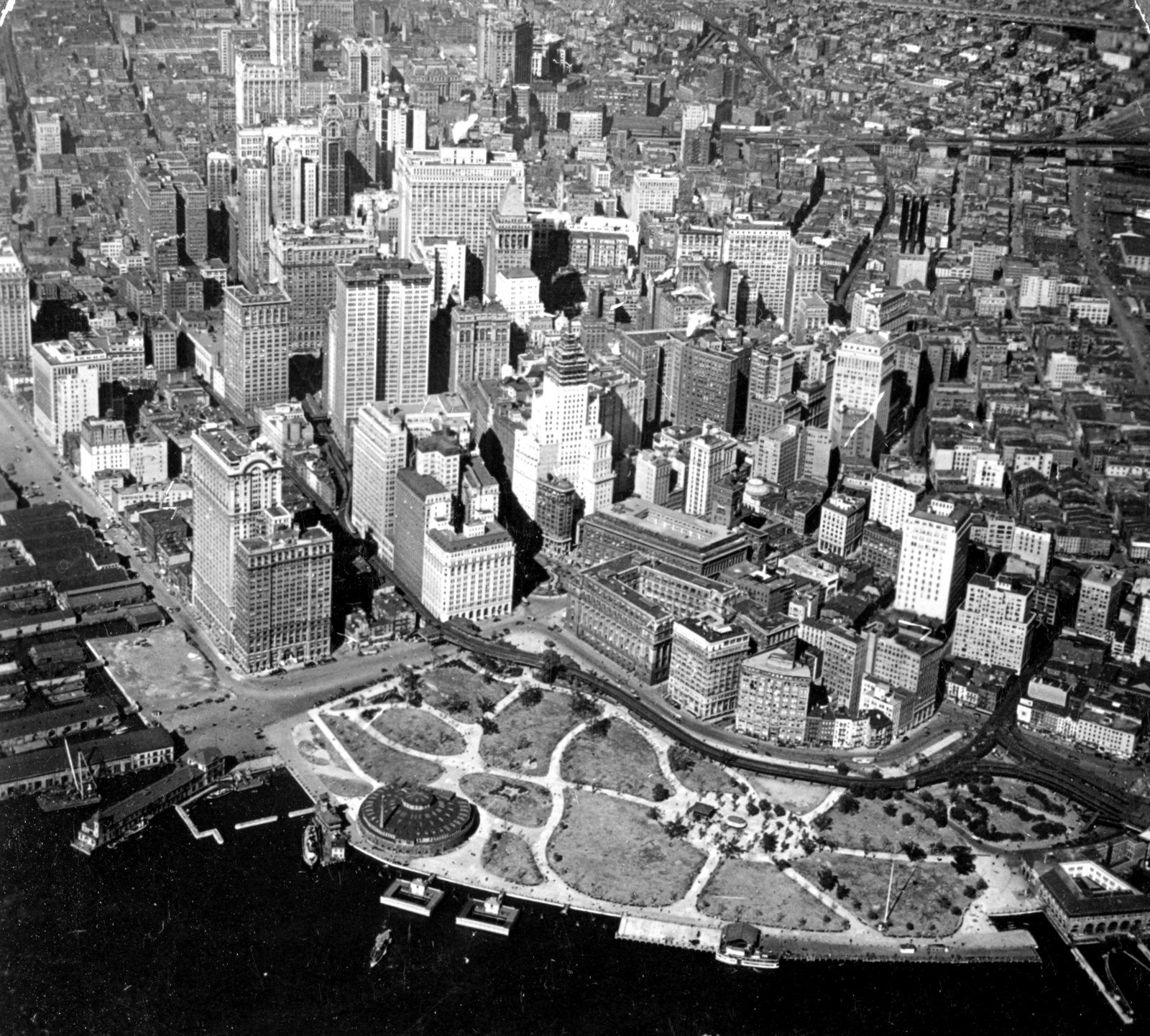
Lower Manhattan from the air in 1924: tall buildings packed behind a waterfront park
Lower Manhattan from the air, 1924. The very forest of skyscrapers Edison said had "outgrown its usefulness." Keystone View Co. / Library of Congress
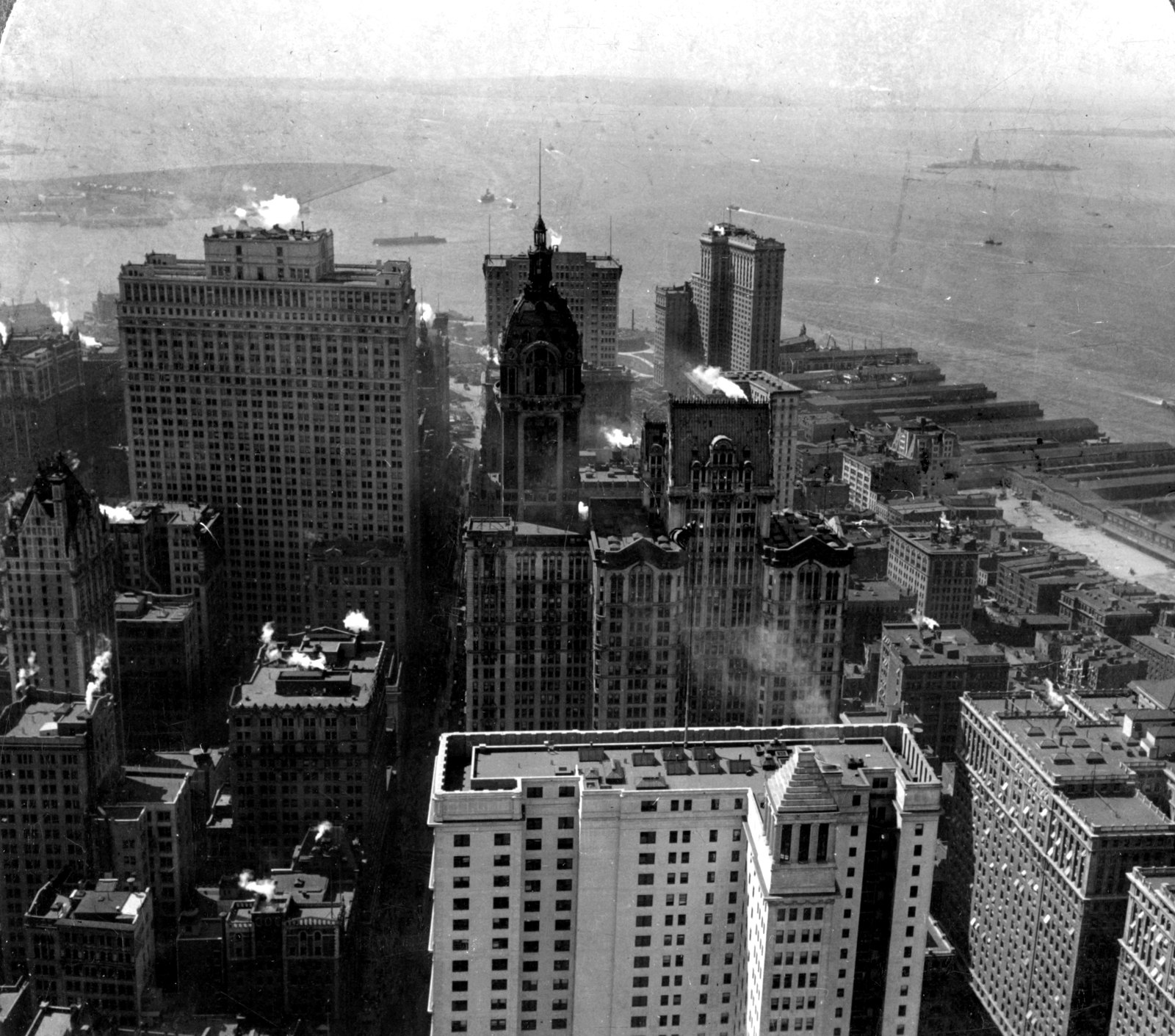
New York seen from the top of the Woolworth Building in 1916: skyscraper roofs, with the harbor and the Statue of Liberty beyond
Looking down from the Woolworth Tower, 1916. Edison predicted these empty rooftops would one day become helicopter landing fields. Keystone View Co. / Library of Congress
Patents & Inventions

Edison's City of the Future: Helicopters on the Roofs, and Mathematicians Instead of Traffic Cops

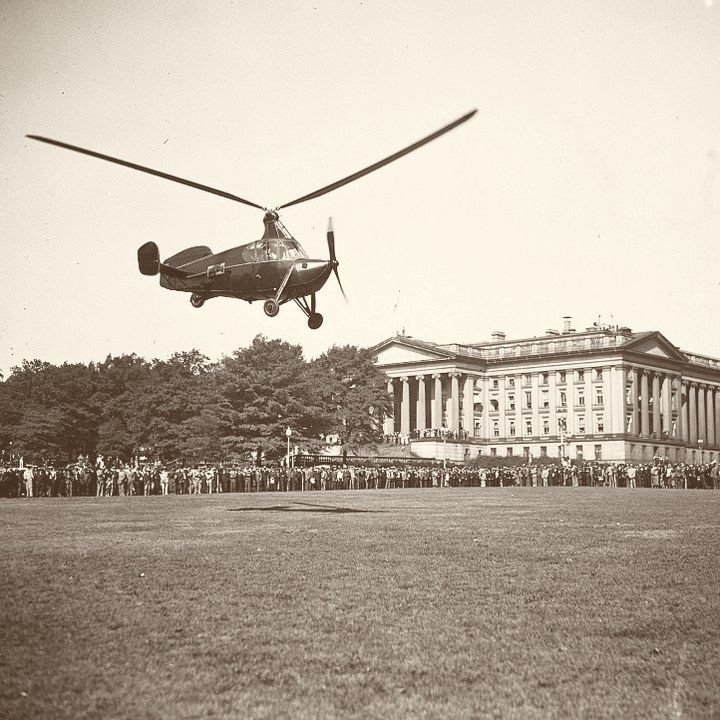
On November 15, 1926, Thomas Edison described the city of the future in an interview with Forum magazine. Rooftops would become landing fields for helicopters, mathematicians would untangle traffic, and taxes would become astonishingly low. A hundred years later, it is time to grade his answers.

A 1926 rooftopEmpty and unused
Edison's predictionA helicopter landing field
Read the story →
🔮 Edison's predictions, graded 100 years later
  • ✅ Mathematicians solve traffic: today computers time the lights and plan our routes.
  • ✅ Express streets and underpasses: every city has expressways and interchanges.
  • 🔺 Helicopters on the roofs: helicopters arrived in the 1940s and rooftop helipads followed, but most of us still take the elevator down.
  • ❌ Limits on skyscraper height: they only grew taller.
  • ❌ Astonishingly low taxes: still waiting, 100 years on.
The Day's Economy

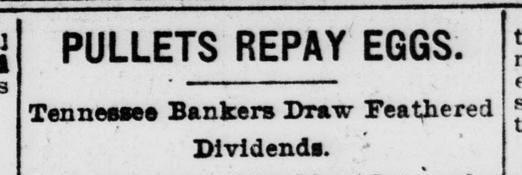
Lend an Egg, Get Back a Hen: Tennessee Bankers Draw "Feathered Dividends"

On November 15, 1926, the paper reported a new form of banking that the Department of Agriculture called a success. In Tennessee, banks lent young people eggs in the spring and were repaid in the fall with young hens raised from those eggs. The count: 1,910 pullets.

The bank that lent eggs and was repaid in hens
Gold & Markets

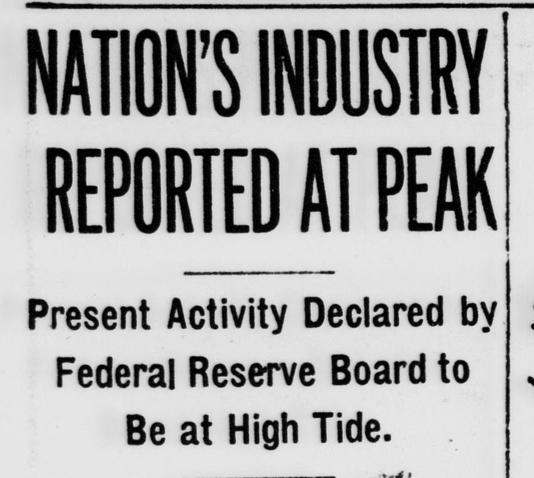
America's Industry at High Tide, and Belgium's Money Tied to Gold Again

On November 15, 1926, the paper carried a Federal Reserve Board report: American industry was "at a high tide of activity." Every month of 1926 had been busier than the same month of 1925 or 1924. The same report noted that Belgium had just put its currency back on gold.

American industry at high tide, and Belgium returns to gold

🧩 Puzzle Corner

Five games, fresh every day from this edition

Every word comes from today's stories. Drag across a word (or tap its first letter, then its last).

UKCABLEAKPRDFTTRAFFICCSLKIPUPULLETSOOBPHORDHHPCGEDOEEECKCTLASPTFREFLOEEONSFRIRBCOIRYEAOTNAPSRTUCKLOHOEIUBUTBCORTSEUUPAUWIOEPIRKIBRFUHRORDTUIANFLCRTDECUEOKNSIPPIEEPDNRBCE
Hi! I hid 12 words from today's paper. Can you find them all?

Found: 0 / 12

  • BROOCH
  • CABLE
  • CHICKENS
  • EDISON
  • FUTURE
  • GOLD
  • HELICOPTER
  • PASTEUR
  • PULLETS
  • ROOFTOP
  • TRAFFIC
  • TURKEY
🎉 You found them all in seconds! Scroll up and you can read the stories these words came from, too. 🐝↑

Want more? Play free Sudoku, Minesweeper and more at Wink Puzzle →

Ads of the Good Old Days ^^ · Nov. 15, 1926

Real ads from that day's paper, with 1926 prices in today's money.

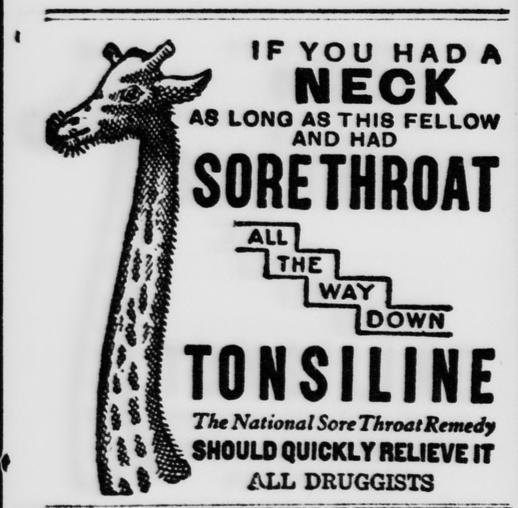
A sore throat remedy ad from Nov. 15, 1926: a drawing of a giraffe with a very long neck beside the words "If you had a neck as long as this fellow and had sore throat," with "all the way down" written like a staircase

"If You Had a Neck as Long as This Fellow" Tonsiline

IF YOU HAD A NECK AS LONG AS THIS FELLOW
AND HAD SORE THROAT ALL THE WAY DOWN
TONSILINE SHOULD QUICKLY RELIEVE IT

Back then, a sore throat remedy hired a giraffe as its model. The words "ALL THE WAY DOWN" step down the page like a staircase. It makes you imagine just how miserable a giraffe with a sore throat would be. Lucky for us, our necks are short.

Tonsiline, at all druggists · Evening Star, page 33See the page →
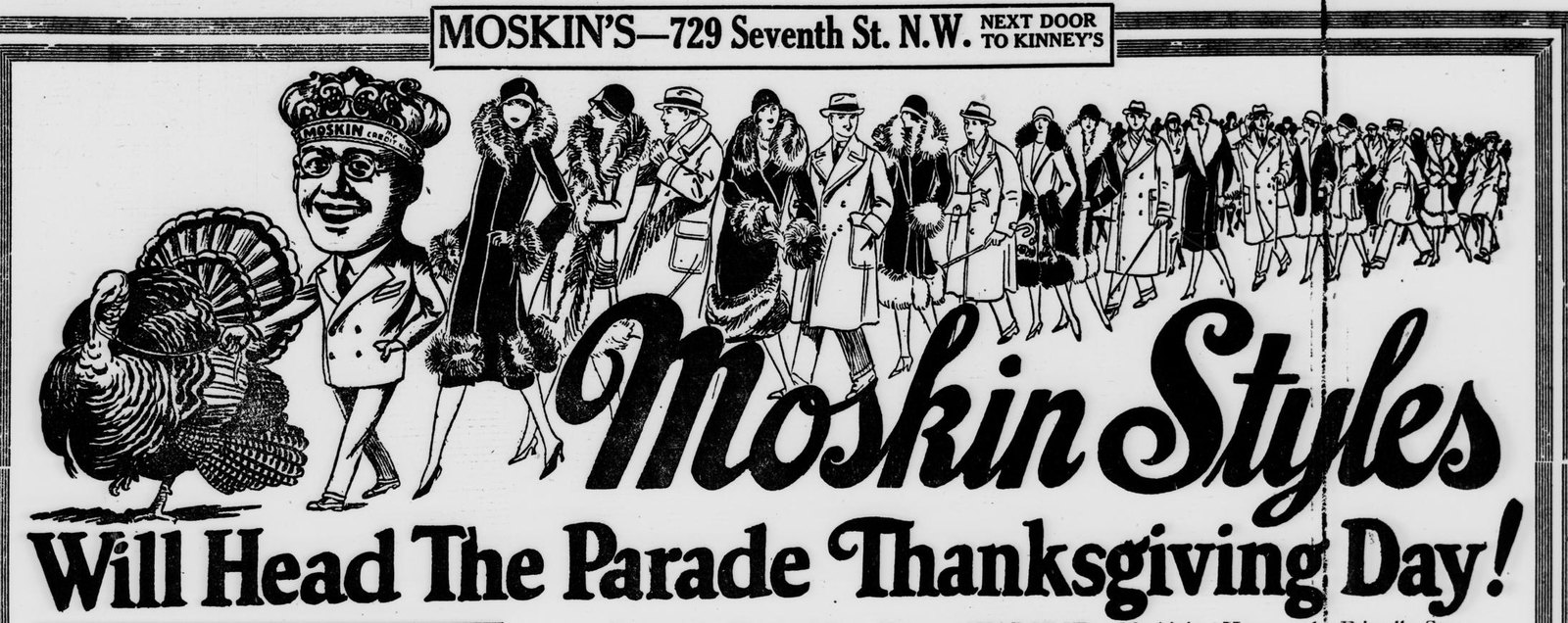
A clothing store ad from Nov. 15, 1926: a cartoon of the crowned store owner beside a turkey, leading a long parade of well-dressed shoppers, with the words "Moskin Styles Will Head the Parade Thanksgiving Day!"
"Moskin Styles Will Head the Parade Thanksgiving Day!"Moskin's, 729 Seventh St. N.W. · Evening Star, page 33
ThenToday's money
Fine silk dresses (379 of them)$15.98≈ $304
Men's overcoats (Thanksgiving sale of 1,000)$25.50≈ $485
Women's fur-trimmed coats$24.98≈ $475

The store owner, wearing a crown, leads a turkey and a long parade of shoppers in their new coats. The ad called him the "Credit King": the same prices as cash stores, credit for everyone, and the "Golden Rule" in every transaction. Dressing up for Thanksgiving was the thing to do.

See the page →
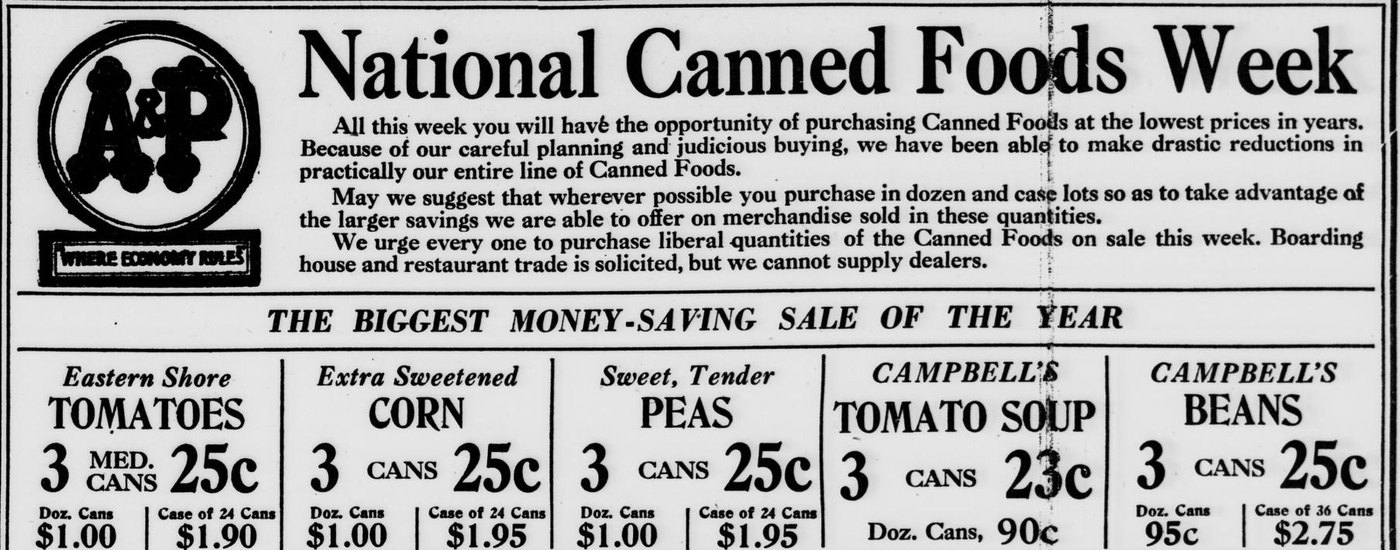
An A&P grocery ad from Nov. 15, 1926: "National Canned Foods Week," with prices for canned tomatoes, corn, peas, Campbell's tomato soup and beans
"National Canned Foods Week: The Biggest Money-Saving Sale of the Year"A&P · Evening Star, page 12
ThenToday's money
Tomatoes, corn or peas, 3 cans25¢≈ $4.75
Campbell's tomato soup, 3 cans23¢≈ $4.37
A dozen cans$1.00≈ $19

"The lowest prices in years," it promised, and urged shoppers to buy by the dozen or the case. Further down the same ad: sweet potatoes, 5 pounds for 9 cents; butter, 59 cents a pound; eggs, 47 cents a dozen. A whole Thanksgiving shopping list on one page.

See the page →
Person of the day

Louis Pasteur

1822–1895 · Voted "the greatest man in all history" by high school boys in 37 countries

Page 3 of the Evening Star, November 15, 1926, ran the headline "Shabby Little Doctor Chosen World's Greatest Man by Boys." High school students in 37 countries voted, and more than 600,000 ballots came from American high schools alone. The winner was a French scientist who had died 31 years earlier: Louis Pasteur. Lincoln, Columbus, Washington and Franklin followed, and Florence Nightingale, Joan of Arc and Gutenberg also made the top twelve. The rules asked for "nobility of character, devotion to an ideal of service," and work that brought "permanent good to the world," which is why conquerors like Napoleon and Alexander did not make the list. Pasteur found a way to keep milk and wine from spoiling, pasteurization, and created a rabies vaccine that saved countless lives. A man who changed the world with a microscope, not a sword, became the hero of the world's schoolboys.
The day in one line
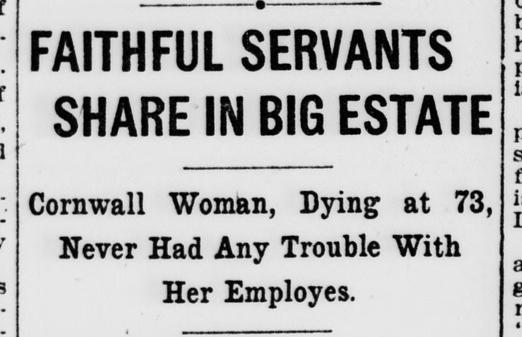
On November 15, 1926, the great inventor pictured a city with helicopters landing on its roofs, and an English lady used her will to thank even the woman who had looked after her chickens.
— the Wink High Desk

Also in the news

Past editions

See every past edition →