Monday, November 23, 2026100 years ago today: Tuesday, November 23, 1926

The Good News of 100 Years Ago

Money · Gold · Oil · Patents
Gold, 1 oz (1926)$20.67Eggs, a dozen48.5¢Milk, a quart14¢Ford Model T Runabout$360Route 662,448 mi$1 in 1926 = today≈ $19Gold today, 1 oz$4,043

November 11, 2026The Thursday, November 11, 1926 Edition

Five stories from exactly 100 years ago, each told through money

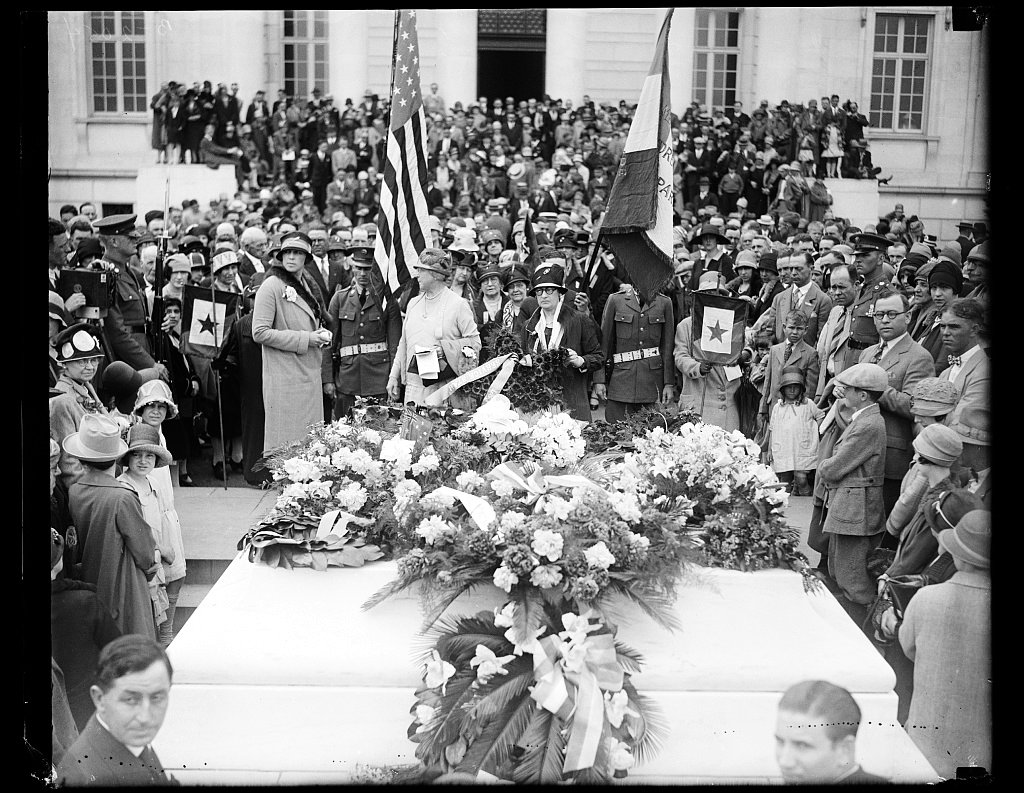
The Tomb of the Unknown Soldier at Arlington covered in flowers, with mothers holding gold-star banners standing around it
Harris & Ewing, 1927 / Library of Congress
The Day's Economy

At 11 A.M., Washington Stopped for Two Minutes. Then Came the Bill for the War.

November 11, 1926 was the eighth Armistice Day since the end of the World War. At 11 o'clock the entire machinery of the U.S. government halted for two minutes. The same day's paper also printed the war's bill: $210 billion of lost world trade.

Government halted11 a.m. · 2 minutes
Trade lost to the war$210 billion
Read the story →
Gold & Markets

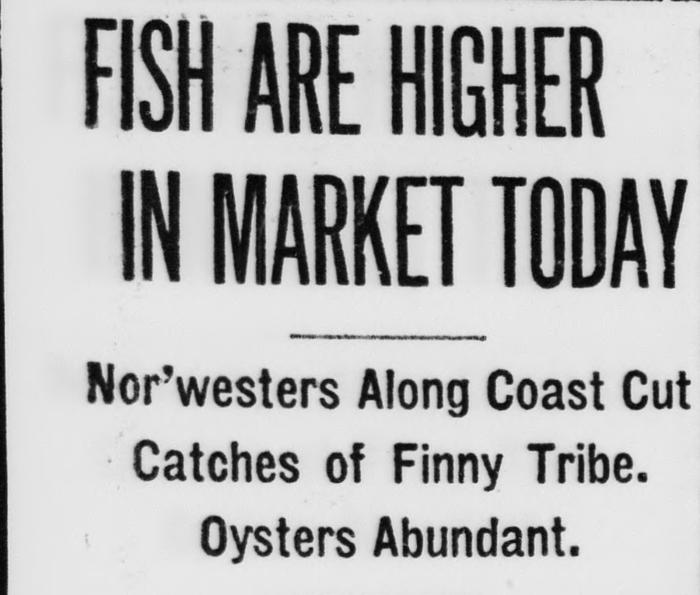
The Wind Set the Price: Washington's Fish Market, 1926

Heavy nor'westers had been blowing along the Atlantic coast for days. With fewer boats bringing fish in, prices at Washington's Municipal Fish Market doubled or tripled in a week. But one favorite fish went the other way.

A nor'wester doubled fish prices
Oil & Industry

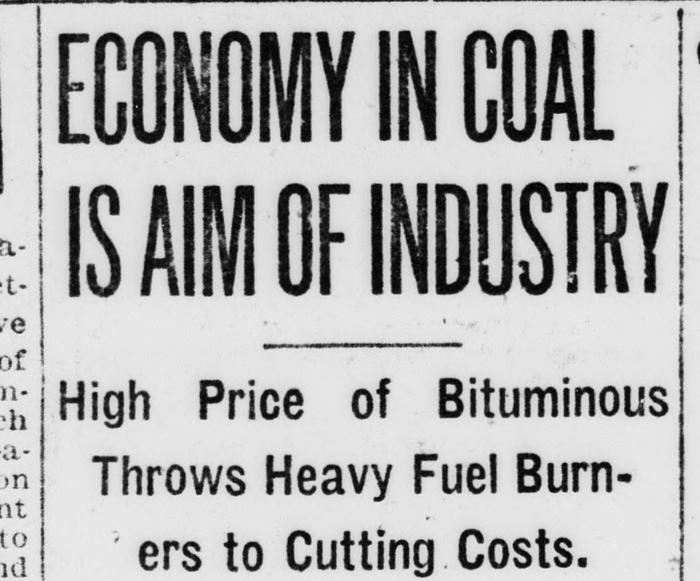
Grind the Coal to Powder, and 10 Tons Do the Work of 12

When the price of bituminous coal rose in the fall of 1926, American industry went looking for ways to burn less of it. The idea drawing the most attention: grind coal as fine as flour and blow it into the fire.

10 tons of coal doing the work of 12
Patents & Inventions

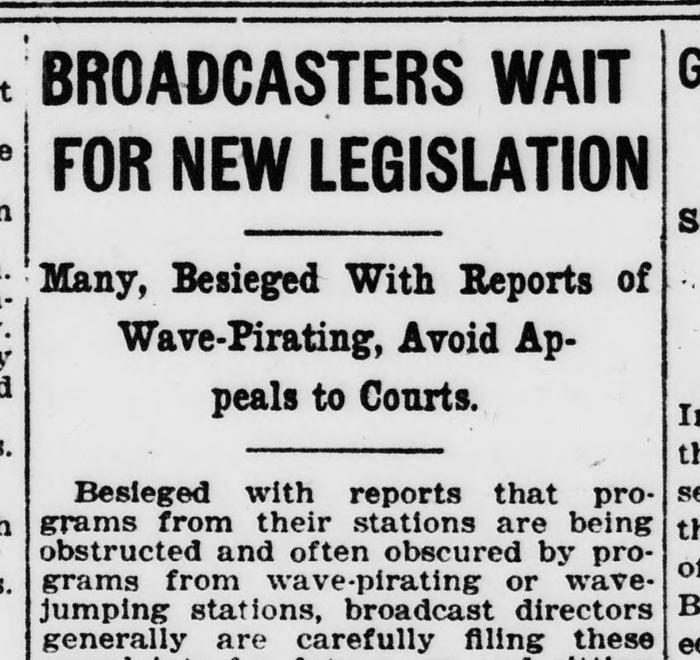
The Lawless Air: In 1926, Radio Came With a Whistle

In the fall of 1926, American broadcasters were plagued by "wave pirates," stations that jumped onto other stations' frequencies. Listeners heard a whistle on practically every frequency. The broadcasters waited on Congress rather than the courts.

A whistle on almost every station
Main Street Wallet

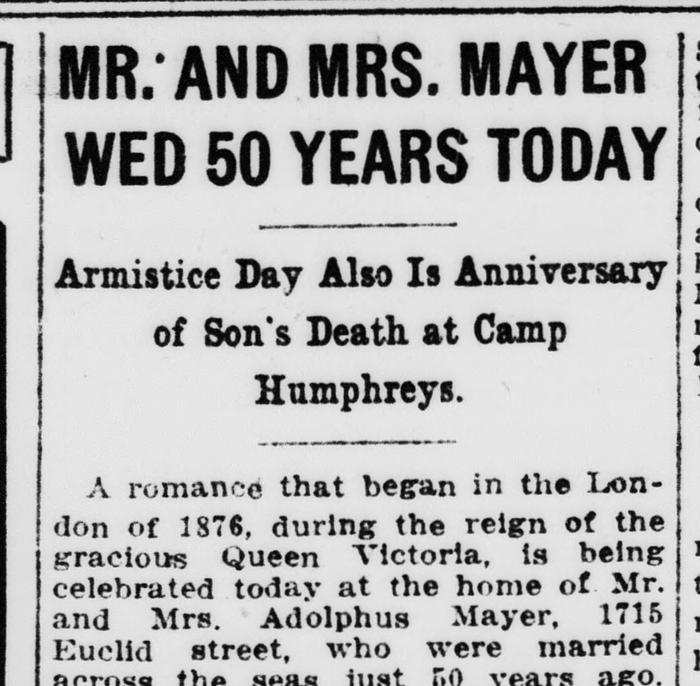
Fifty Years That Began in London, and the Couple's November 11

On November 11, 1926, Adolphus and Elizabeth Mayer of Washington celebrated their golden wedding. They had married on that same day in London fifty years before. And on that same day eight years earlier, they had lost a son.

Married on Nov. 11, 1876

🧩 Puzzle Corner

Five games, fresh every day from this edition

Every word comes from today's stories. Drag across a word (or tap its first letter, then its last).

EESTATIONILSSKSEWNHGTESLHTKITVNAECREEEEWANSANNESCSWORESEMETWITIEGECNALSHTOSRDOAOTIYVSSRKSDLTASORIWEAGAIDHLNCMAHRTINNEFSLRCTDKEVIGNIRAIORSISDSTMSIRMKSNNONDRDHMACKERELANNA
Hi! I hid 12 words from today's paper. Can you find them all?

Found: 0 / 12

  • ARMISTICE
  • COAL
  • FISH
  • GOLDEN
  • MACKEREL
  • MOTHERS
  • OYSTERS
  • RADIO
  • SILENCE
  • STATION
  • WEDDING
  • WREATH
🎉 You found them all in seconds! Scroll up and you can read the stories these words came from, too. 🐝↑

Want more? Play free Sudoku, Minesweeper and more at Wink Puzzle →

Ads of the Good Old Days ^^ · Nov. 11, 1926

Real ads from that day's paper, with 1926 prices in today's money.

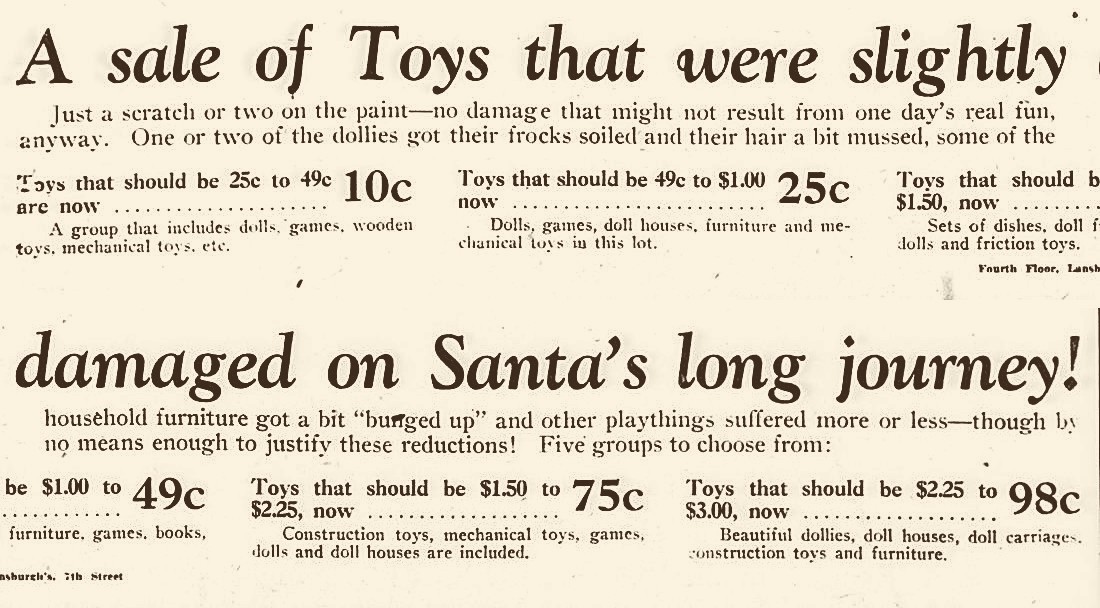
A Lansburgh's department store ad from Nov. 11, 1926: "A sale of Toys that were slightly damaged on Santa's long journey!" with five price groups

A Sale of Toys "Slightly Damaged on Santa's Long Journey"

A SALE OF TOYS THAT WERE SLIGHTLY DAMAGED ON SANTA'S LONG JOURNEY!
JUST A SCRATCH OR TWO ON THE PAINT—
NO DAMAGE THAT MIGHT NOT RESULT FROM ONE DAY'S REAL FUN, ANYWAY.

Back then, this is how kindly a store sold its dented stock. The ad confessed that "one or two of the dollies got their frocks soiled and their hair a bit mussed" and the doll furniture "got a bit bunged up." Toys that should be 25 to 49 cents were 10 cents; dollies and doll houses that should be $2.25 to $3.00 were 98 cents. And it came with a story for the children: Santa had a long trip.

Lansburgh & Bro., 7th, 8th and E Sts., the Toy World on the Fourth Floor · Evening Star, page 32See the page →
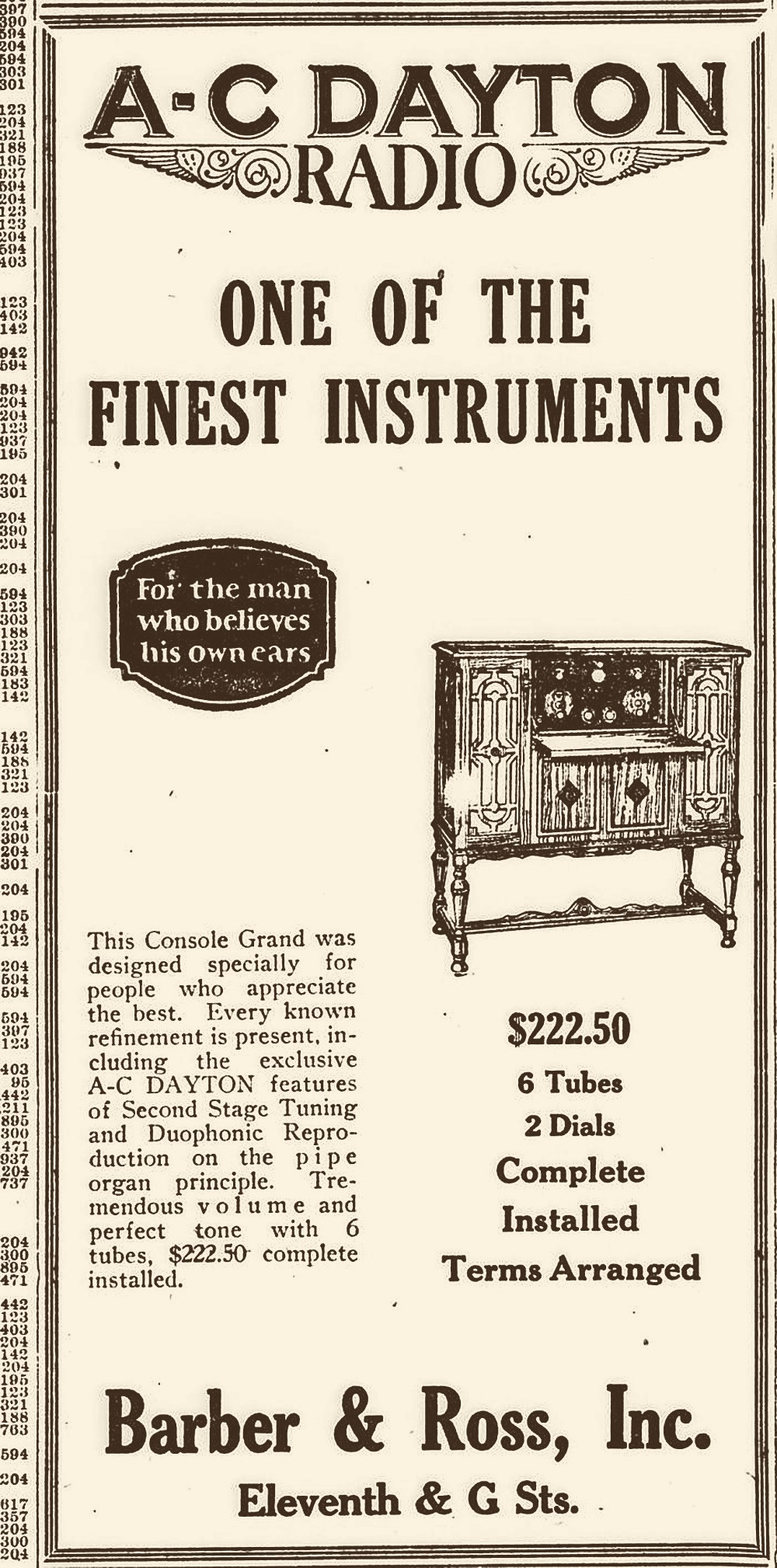
A radio ad from Nov. 11, 1926: "A-C Dayton Radio, one of the finest instruments" above a drawing of a wooden console radio
A Radio "For the Man Who Believes His Own Ears"A-C Dayton Radio, Barber & Ross, Inc., 11th and G Sts. · Evening Star, page 40
ThenToday's money
Console Grand radio (6 tubes)$222.50≈ $4,200

A wooden console with six tubes and two dials, "complete, installed, terms arranged." The ad called it "one of the finest instruments." On the same page, the news was all about wave pirates and whistles.

See the page →
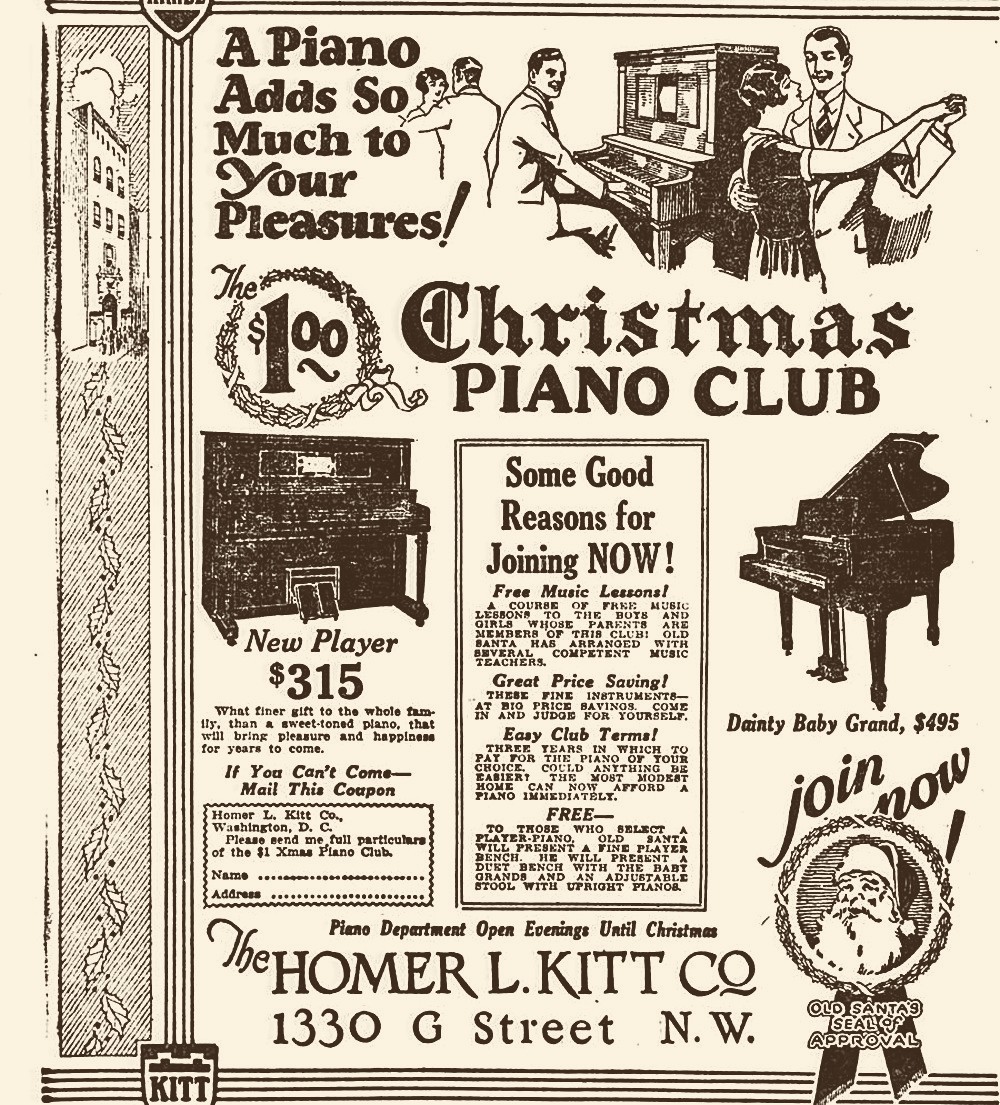
A piano ad from Nov. 11, 1926: "A Piano Adds So Much to Your Pleasures!" with a player piano, a baby grand and Santa Claus
The $1 Christmas Piano ClubHomer L. Kitt Co., 1330 G Street N.W. · Evening Star, page 6
ThenToday's money
Club membership$1≈ $19
New player piano$315≈ $6,000
Dainty baby grand$495≈ $9,400

It was only November 11, and Christmas was already selling. One dollar joined the club, three years paid for the piano, and free music lessons came with it. In the corner: "Old Santa's Seal of Approval."

See the page →
Person of the day

George Bernard Shaw

1856–1950 · Earned a few pounds in nine years of writing, then won the Nobel Prize

He is on the front page of the Evening Star of November 11, 1926. That day in Stockholm, the Swedish Academy announced that the Irish-born playwright George Bernard Shaw had been awarded the 1925 Nobel Prize for Literature. Shaw grew up in a hard-up Dublin household and came to London at 20. He later said that in his first nine years there his writing earned him about six pounds. Five novels went the rounds of the publishers and were rejected. He kept writing every day anyway, became a critic and then a playwright, and with plays like Pygmalion and Man and Superman he made audiences laugh and think at once. At first he said he would not take the prize money. In the end he used it to set up a fund for translating Swedish literature into English. For the 1938 film of Pygmalion he won an Academy Award for the screenplay, becoming the first person to win both a Nobel Prize and an Oscar. Six pounds in nine years: time answers the person who refuses to quit.

The day in one line
On November 11, 1926, a mother who had lost three sons walked 145 miles to stand in two minutes of silence, and a writer who once earned a few pounds in nine years won the Nobel Prize.
— the Wink High Desk

Also in the news

Past editions

See every past edition →