The Day's EconomyFord: "The Five-Day Week Is Business, Not Charity"
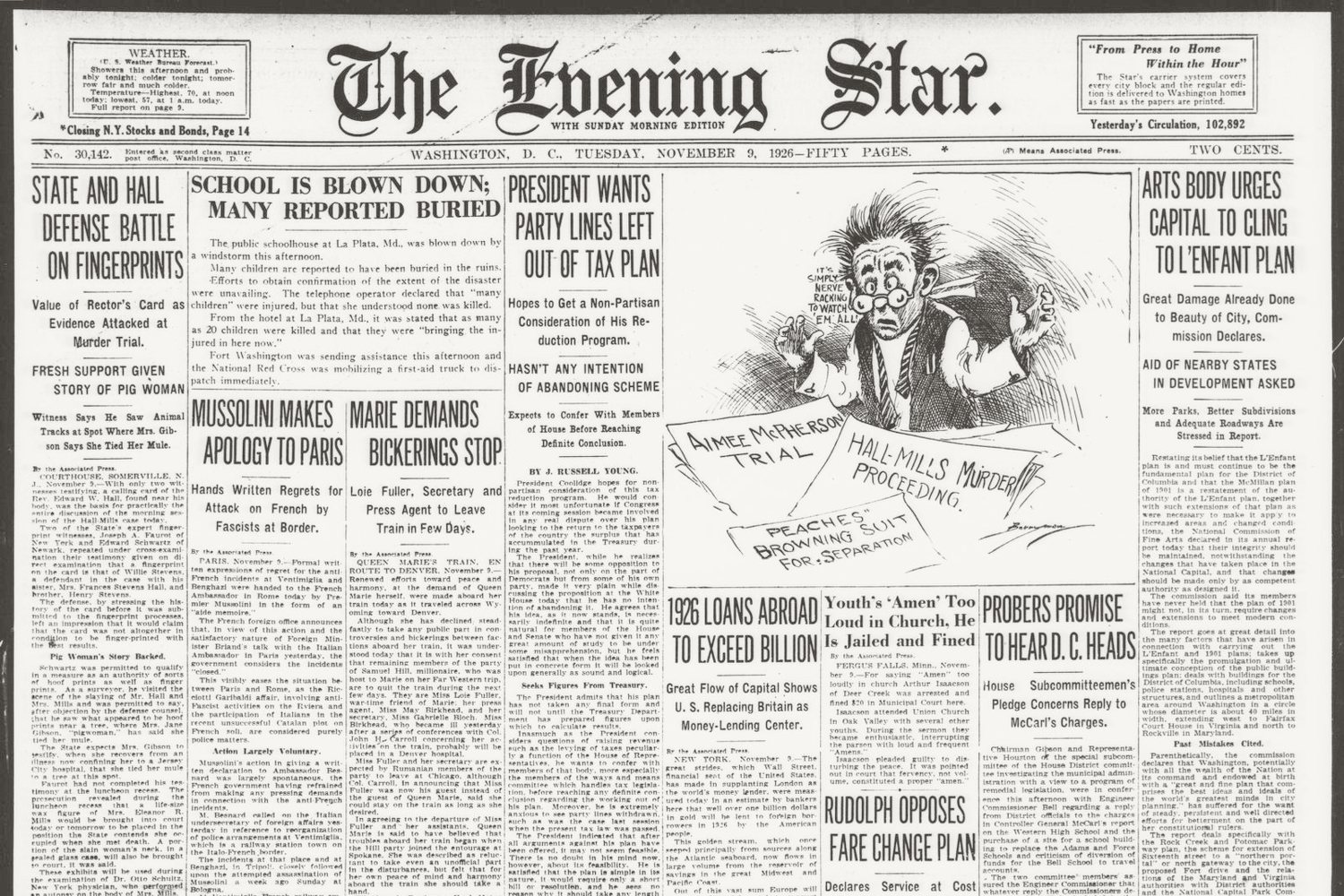
On November 9, 1926, the front page carried an interview with Henry Ford. Giving workers their Saturdays back, he said, was not a good deed but a calculated business decision.
Five stories from exactly 100 years ago, each told through money

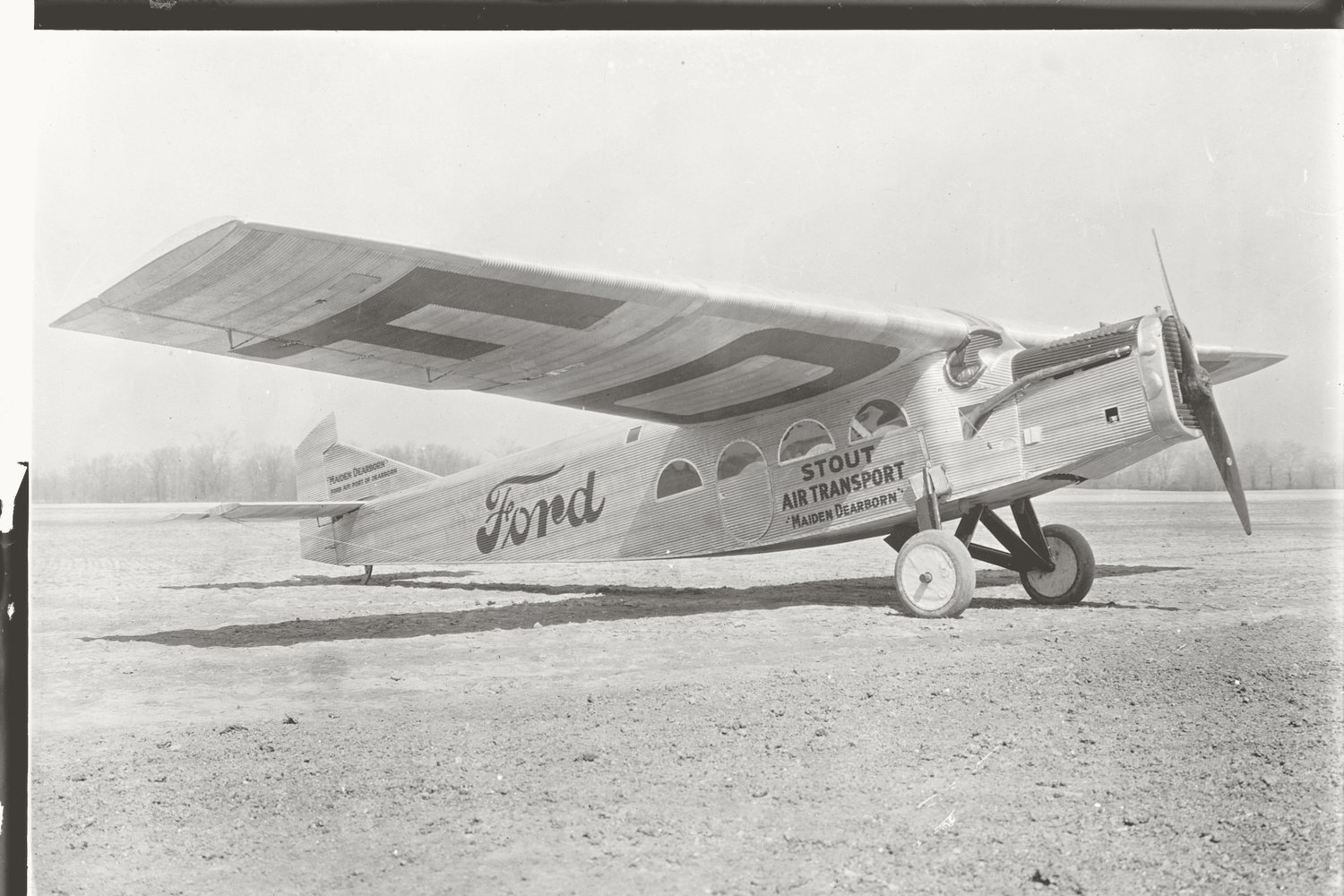
On November 9, 1926, the paper reported a contract to carry packages by airplane. It compared the plan to the pony express of the pioneer days.
The Day's EconomyOn November 9, 1926, the front page carried an interview with Henry Ford. Giving workers their Saturdays back, he said, was not a good deed but a calculated business decision.
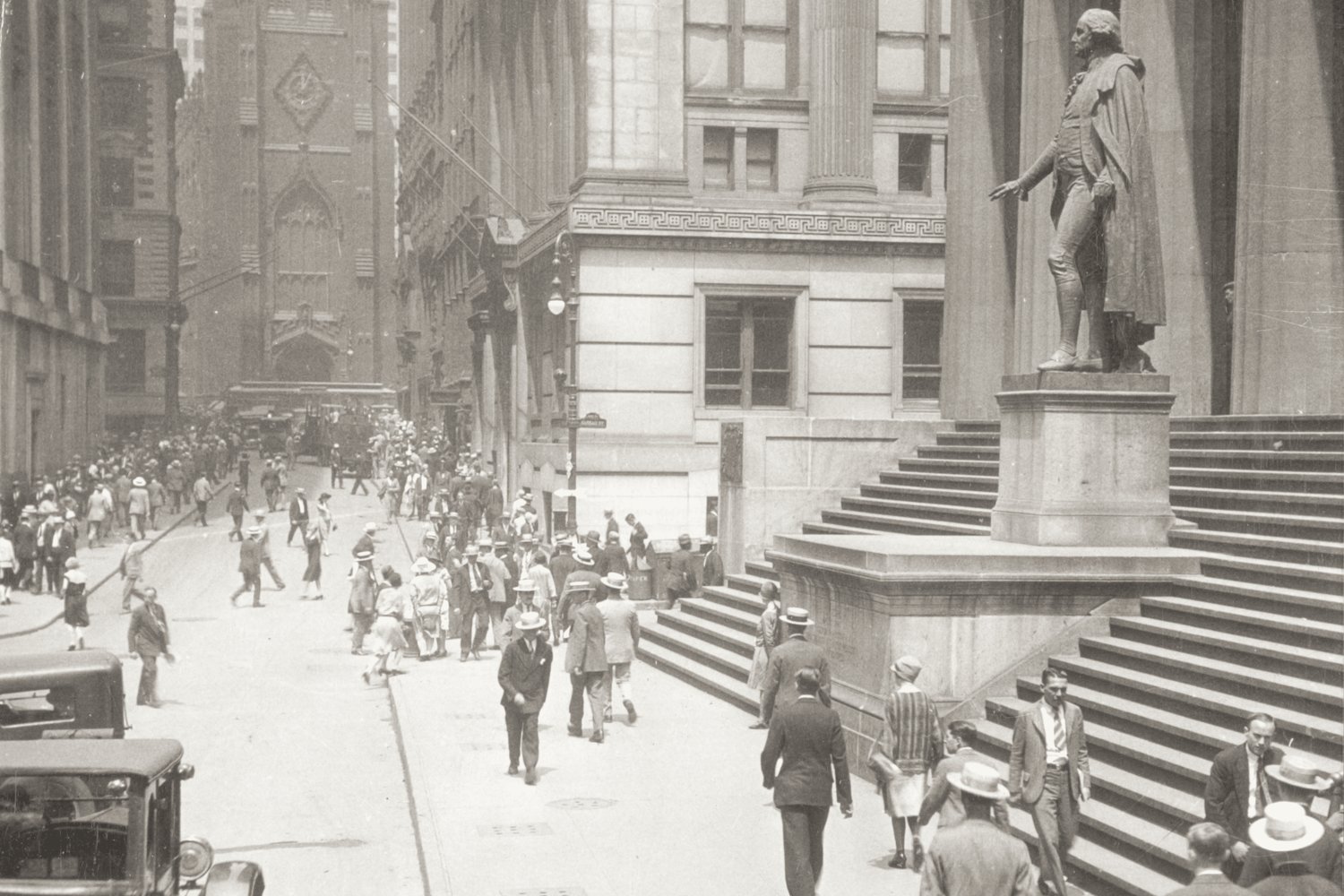
Gold & MarketsOn November 9, 1926, the front page reported that Americans would lend well over $1 billion to foreign borrowers that year. The world's bank was moving from London to New York.
Patents & InventionsOn November 9, 1926, the paper reported two new comets, invisible to the naked eye. Astronomers in Barcelona and in Crimea had spotted them on the same date.
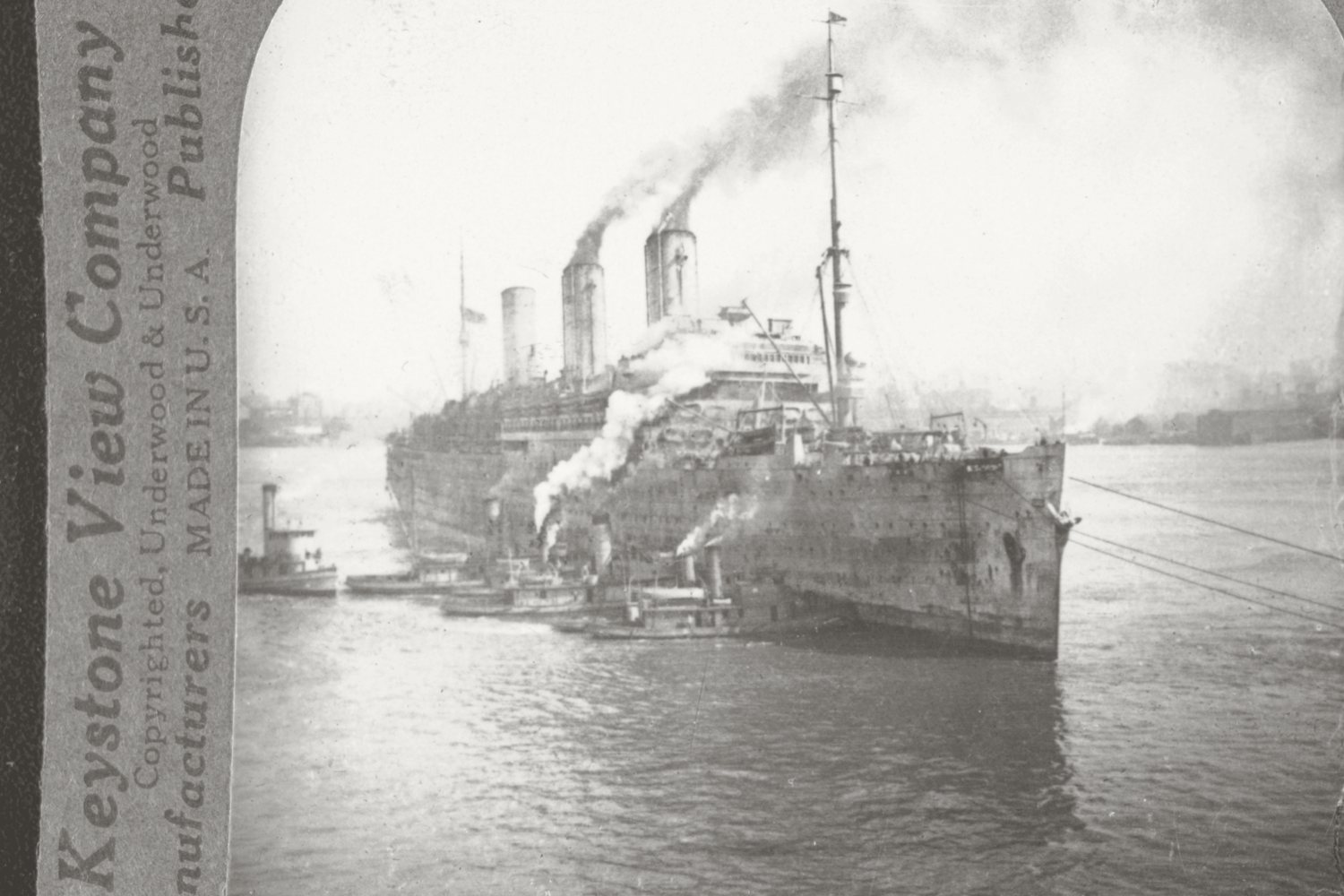
Main Street WalletOn November 9, 1926, the paper reported on a liner that had come into New York the day before. Before stepping ashore, 825 immigrants from 30 countries watched a film about their new country together.
Five games, fresh every day from this edition
Every word comes from today's stories. Drag across a word (or tap its first letter, then its last).
Fill each row, column and 3×3 box with 1–9.
Help Hamster reach the acorn! Use the arrow keys, swipe, or the buttons.
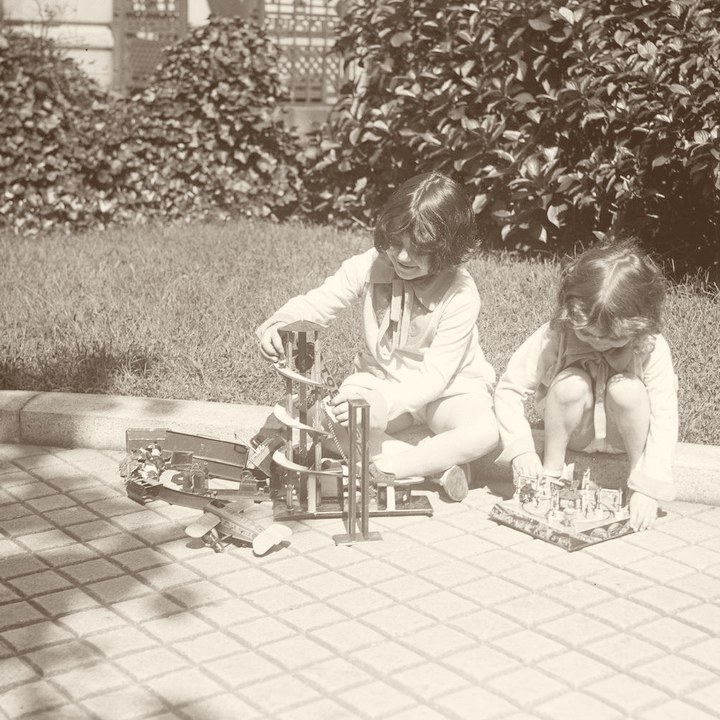
A real photo from the 1920s, cut into 16 pieces. Tap two pieces to swap them.

Flip two cards at a time and find all 8 pairs. Remember where each one hides!
Want more? Play free Sudoku, Minesweeper and more at Wink Puzzle →
Real ads from that day's paper, with 1926 prices in today's money.

| Then | Today's money | |
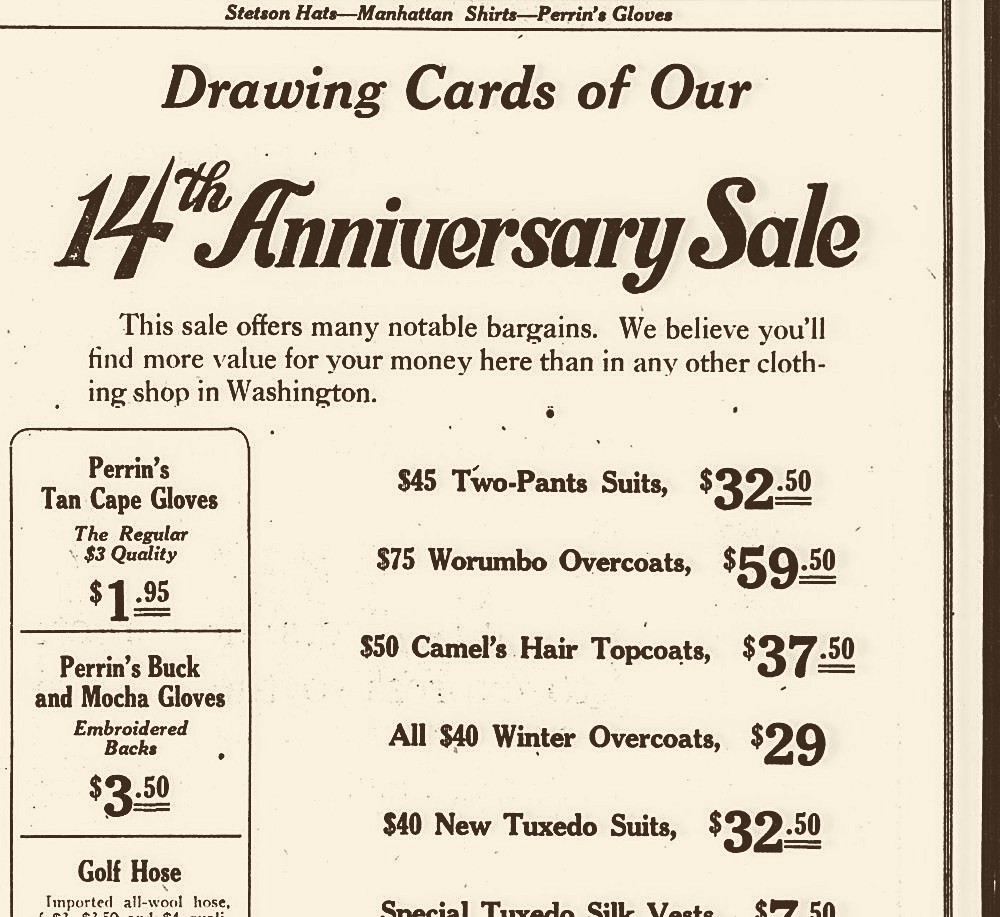
| Winter overcoats (were $40) | $29 | ≈ $550 |
| Two-pants suits (were $45) | $32.50 | ≈ $620 |
| Tan cape gloves (were $3) | $1.95 | ≈ $37 |
The store promised "more value for your money here than in any other clothing shop in Washington." The same day's front page warned readers to keep their overcoats close. The merchant knew how to read the weather.
See the page →
| Then | Today's money | |
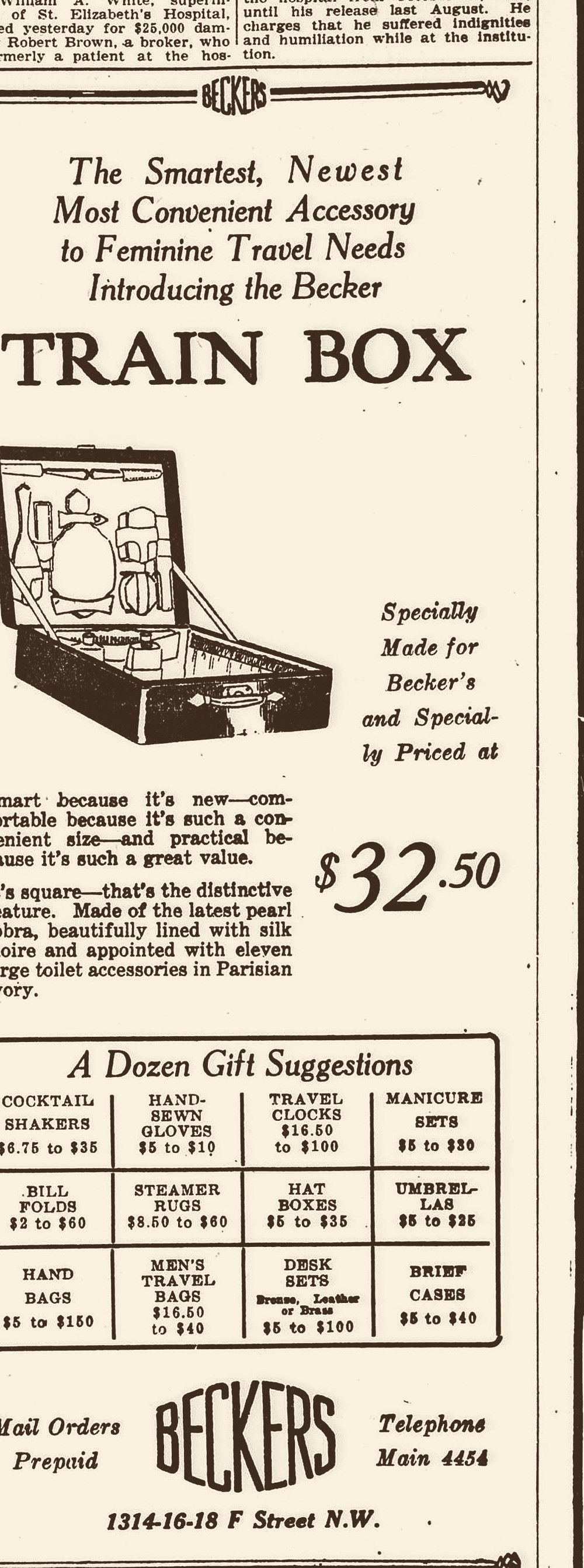
| Train box (ladies' travel case) | $32.50 | ≈ $620 |
| Cocktail shakers | $6.75–$35 | ≈ $130–$670 |
| Men's travel bags | $16.50–$40 | ≈ $310–$760 |
In 1926, America was under Prohibition — buying or selling liquor was against the law. Yet cocktail shakers sit proudly at the top of this ad's gift list. Ads show what people really had on their minds.
See the page →Age 20 in 1926 · From boy orator to banjo player to working young man
He is the twenty-year-old in the Evening Star of November 9, 1926, page 5. From Birmingham, Alabama, he first came to Washington in 1924 to compete in the National Oratorical Contest as the representative of the South. Afterward he entered the University of Alabama, where he played banjo in the college orchestra and became its manager. He arranged a tour that let the orchestra play its way to New York on the Clyde Line, then to France and back on the Holland America Line. In Paris, the boys played at a café in Montmartre. Before he turned twenty, he and his friends had learned that when you have no money, you can pave the road with your talent. Two years later, in November 1926, he came back to Washington as a young man working for an Illinois firm, showing and explaining motion pictures of its products at the convention of the American Society for Municipal Improvements at the Mayflower Hotel. A voice trained on the oratory stage, the responsibility of running an orchestra, and friends who crossed the ocean with him. The paper called it "quite a transition for a space of two years." He was not famous. But the paper of November 9, 1926, kept a record of an ordinary young man who made his way with effort and friendship.
On November 9, 1926, 825 people from 30 countries got their new country's first hello on a ship, and a twenty-year-old walked back into Washington on a road he had built with his friends.— the Wink High Desk